English

Need Help Now? Call Us!
+86-0510-83880396
Our team proudly offers an on-time guarantee and a 100% customer satisfaction guarantee.
Contact Online


 Home / News / Industry News / Audi B9 A4 Alternator and Starter Guide: OE Numbers, Specs, and Replacement Tips
  2026.10.08
 Industry News
If you drive a 2016–2023 Audi A4 B9, a slow crank or a battery warning light often points to a failing starter or alternator. But buying the wrong replacement is easy: many listings claim “Audi A4 fitment” while using a different pulley diameter, amperage, or OE cross-reference. The fix starts with your original OE number, not the model year.
This guide gives you the practical selection criteria, common failure points, and sourcing checks for B9 A4 electrical parts. It is written for repair shops, parts distributors, and owners who need a first-time-fit replacement.
Content
The B9 A4 uses a conventional 12V electrical system, but the specific components vary by engine and market. The starter draws high current to crank the engine; the alternator supplies power and charges the battery. Both wear from heat, vibration, and cycling.
Common starter issues include worn brushes, solenoid contact erosion, and drive gear damage. Alternator failures often involve worn bearings, failed rectifier diodes, voltage regulator faults, or a slipping overrunning alternator pulley (OAP). A failing OAP can cause noise, belt misalignment, and undercharging.
Audi uses OE numbers such as 06B903018EX, 03C903023CX, or 034903015G. These numbers encode the alternator’s output, pulley design, and mounting. Aftermarket catalogs may cross-reference several numbers, but the safest approach is to match the OE number on your original unit and verify the technical parameters.
Voltage & current
12V is standard, but current ratings range from 65A to 140A on B9 A4. Lower output may not support all electrical loads.
Pulley specs
Groove count (e.g., 5PK, 6PK) and diameter must match the belt system. Wrong pulley = noise, slip, or belt damage.
Starter specs
Teeth count, rotation (CW/CCW), power (kW), and flange mounting are critical. A 10-tooth CW unit will not replace a 12-tooth CCW unit.
For repair shops, keep a reference of OE numbers and verify against the vehicle’s VIN when possible. For distributors, the full specification guide for heavy-duty alternators shows how parameter-based selection prevents comebacks, and the same logic applies to passenger cars.
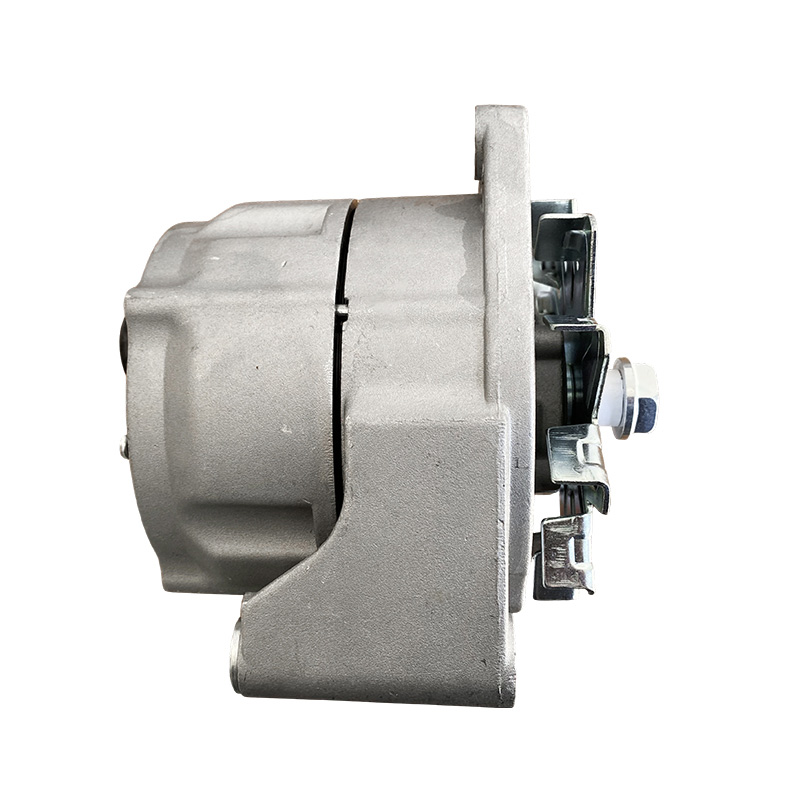
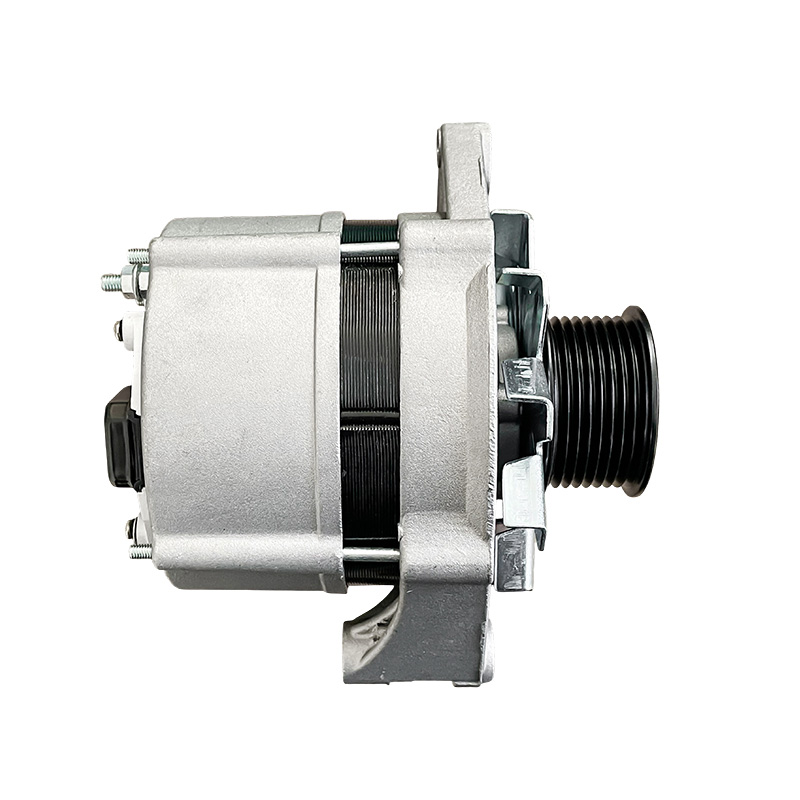
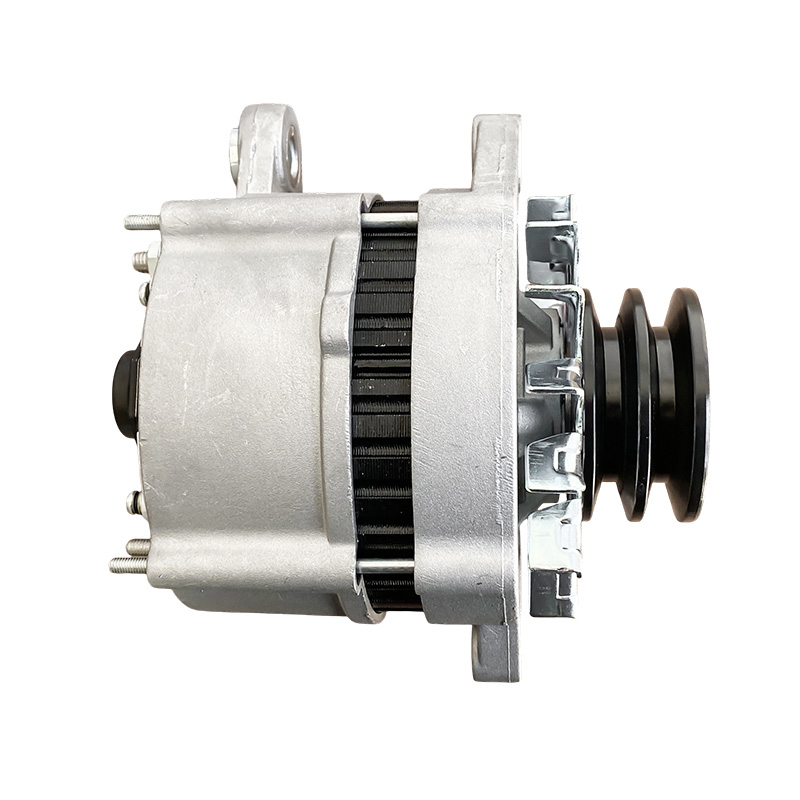
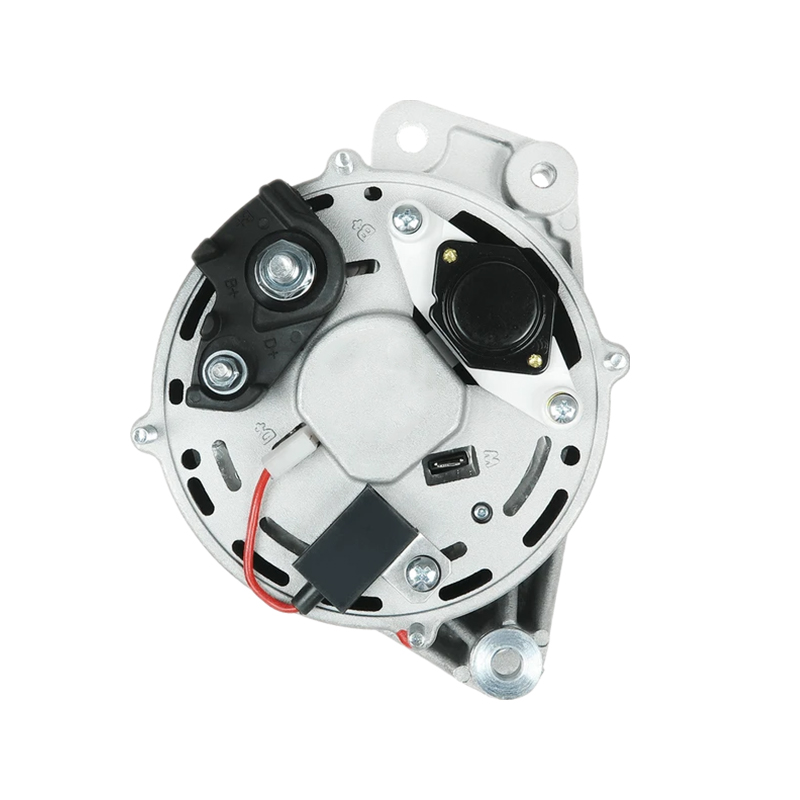 AT01064 Bosch-Type 12V 65A Alternator for Audi and VW12V 65A alternator for Audi 100, 90, Coupe and VW LT, Passat, Santana, Transporter T3; verify OE references and VIN before ordering.View Product →
The table below compares typical OEM and aftermarket options for a 2017 Audi A4 B9 2.0 TFSI. Values are illustrative; always confirm with your specific OE number.
The main takeaway: price differences are real, but the risk is in mismatched specifications. A lower-amperage alternator can keep the battery undercharged, leading to repeated jump-starts and premature battery failure.
Based on typical repair data, alternator failures on the B9 A4 platform often follow a predictable pattern. The chart below shows the relative frequency of common failure modes.
Bearing and regulator failures dominate. This means when replacing an alternator, inspect the belt tensioner and pulley alignment; a new unit can fail quickly if the belt system is worn.
Audi B9 A4 was sold with several engine variants, each with different alternator outputs. The pie chart below shows an estimated share of replacement demand by output rating.
If you supply parts for mixed fleets, stock the higher-output units first; they cover the majority of B9 A4 alternator replacements.
Use this sequence to avoid fitment issues and warranty claims. It applies to both starters and alternators.
Find the label on the original unit. Do not rely on the model year alone.
Confirm voltage, current, pulley grooves, pulley diameter, and rotation.
Cross-reference the OE number with the supplier’s list, not just the brand name.
Look for a supplier with a documented quality process and warranty.
Check charging voltage and belt alignment; test starter current draw.
For example, if your B9 A4 2.0 TFSI uses a 140A alternator with a 6PK 49.5mm pulley, a 120A unit with a 56mm pulley may physically fit but will undercharge and misalign the belt. That is why parameter matching beats “universal” fitment lists.
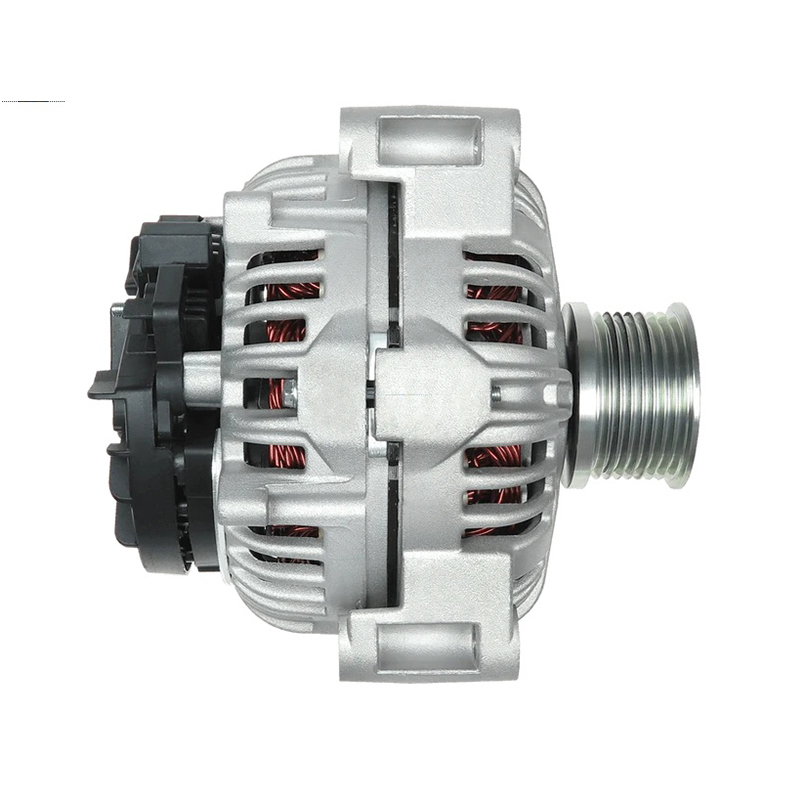
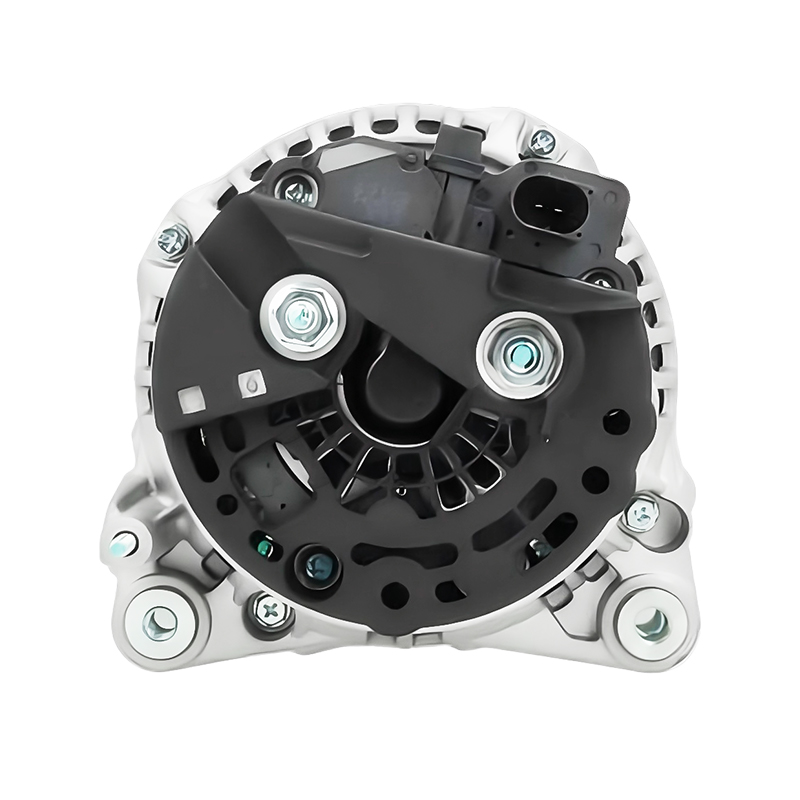 AT01078 Bosch 12V 140A Alternator with 6PK49.5mm Pulley12V 140A alternator with 6PK49.5mm pulley for Audi, SEAT, Skoda and VW applications; verify OE references and pulley specs before installation.View Product →
Even a correct replacement can fail early if the surrounding system is neglected. For B9 A4 starters and alternators, check the following during installation and service.
Our factory follows strict testing and quality control; you can read more about our production and quality processes.
For B9 A4 owners, keep service records and use the OE number when ordering. For distributors, provide a clear parameter table so your customers can verify before purchase. This reduces returns and keeps vehicles on the road.
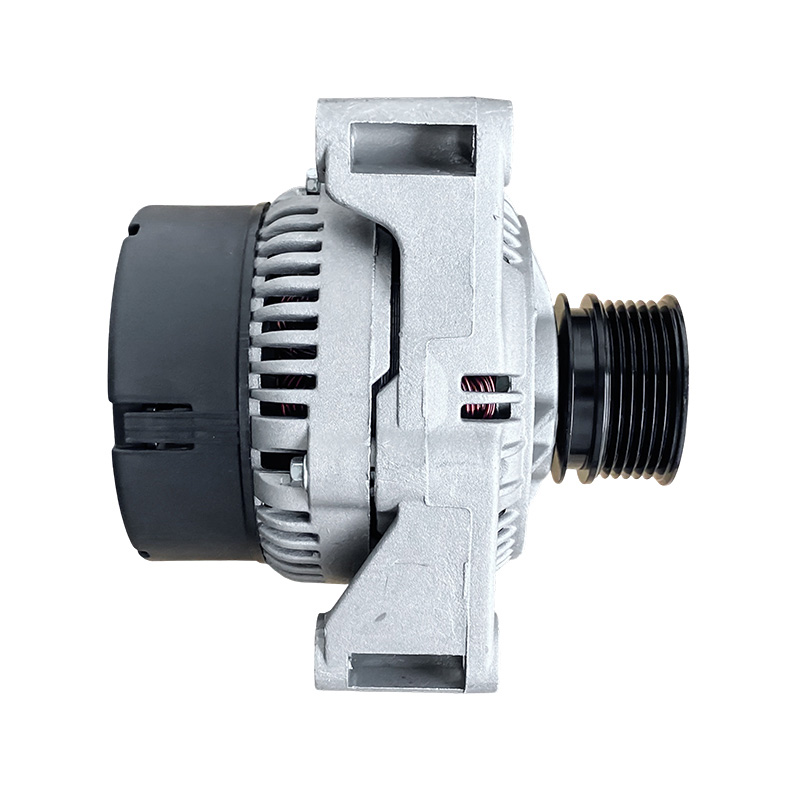
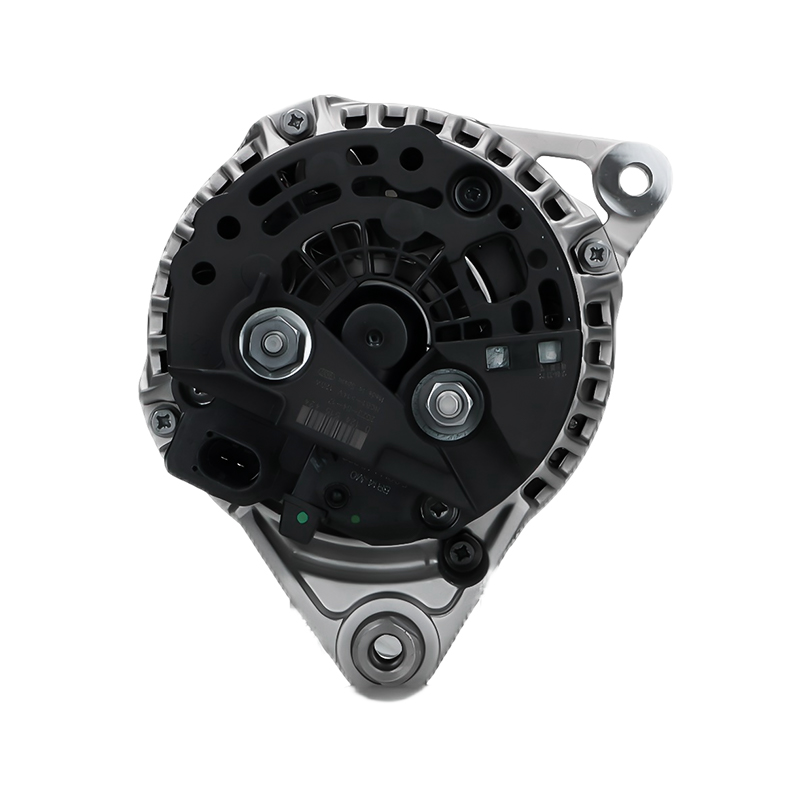 06B903018EX JZW903021SX 12V 120A Alternator for Audi, Skoda, VW12V 120A alternator with 5PK56mm pulley for Audi A4 B5/B6, A6 C5, Skoda Superb I and VW Passat 3B; verify OE number before ordering.View Product →
Recommended Products
For Exclusive Offers And The Latest Deals, Feel Free To Contact Us!
We will unswervingly implement the tenet of "quality first, customer first, strict management, and creating a famous brand". Professional OEM/ODM Automotive Alternator Manufacturers and Heavy-Duty Truck Alternators Suppliers in China.
Product
Contact Info.
+86-180 5150 2183
+86-0510-83880396
No. 11 QiBei Road, Yuqi Town, Wuxi City, Jiangsu Province, China
 OEM Alternator Supplier Custom Automotive Alternator Truck Alternators Supplier
 English
 Español
 عربى
عربى