English

Need Help Now? Call Us!
+86-0510-83880396
Our team proudly offers an on-time guarantee and a 100% customer satisfaction guarantee.
Contact Online


 Home / News / Industry News / 2026 Mitsubishi Outlander Mild-Hybrid: 48V System, Parts and Service Guide
  2026.09.21
 Industry News
If you run a repair shop or source replacement parts, the 2026 Mitsubishi Outlander mild-hybrid is not just another crossover. It marks Mitsubishi’s first 48V mild-hybrid system in the Outlander line, pairing a 1.5-liter turbocharged four-cylinder with a belt-driven starter-generator and a small lithium-ion battery. The immediate takeaway: traditional 12V starter and alternator service still matters for the vast majority of Outlanders on the road, but the new 48V architecture introduces fresh diagnostic and parts-selection rules.
Core conclusion: The 2026 Outlander’s 48V mild-hybrid system delivers smoother starts, torque fill at low rpm, and modest fuel savings without plug-in charging. For parts buyers, the practical impact is that 12V charging components still serve the majority of the Outlander fleet, while 48V-specific components require OEM-level diagnostics and careful OE cross-referencing.
Content
Mitsubishi’s system is a P0 architecture: the starter-generator replaces the conventional alternator and starter, connected to the engine via a belt. It recovers braking energy and stores it in a 48V lithium-ion battery. The system then assists the engine during acceleration and restarts it almost silently.
Based on typical urban and highway driving cycles, the mild-hybrid system engages most often in stop-and-go traffic and during initial acceleration. The chart below shows estimated assist events per 100 miles.
The data suggests that parts and service demand for traditional 12V systems remains relevant, especially for older Outlanders and other Mitsubishi models that do not use the 48V architecture.
By 2026, 48V mild-hybrid systems are expected to power roughly 22% of new compact SUVs sold in North America. The pie chart shows the estimated powertrain mix.
For independent repair shops, the decision to buy 48V diagnostic equipment depends on local fleet mix. Use this step-by-step evaluation.
Working on a 48V system requires insulated tools, proper PPE, and adherence to manufacturer procedures. Unlike high-voltage EVs, 48V DC can still cause arcs and burns if shorted. Always disconnect the 48V battery service plug before major repairs. For parts sourcing, match OE numbers and verify pulley diameter, groove count, and amperage. Mitsubishi’s 2026 Outlander uses a 12V DC-DC converter, so 12V accessories remain unchanged. For a deeper look at heavy-duty alternator specifications, see this industry guide.
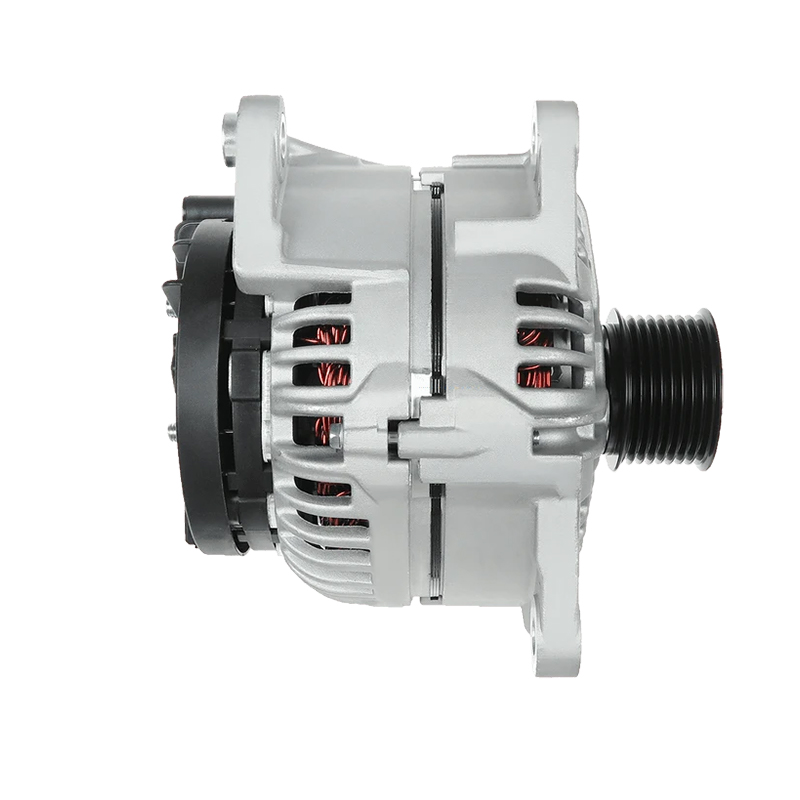
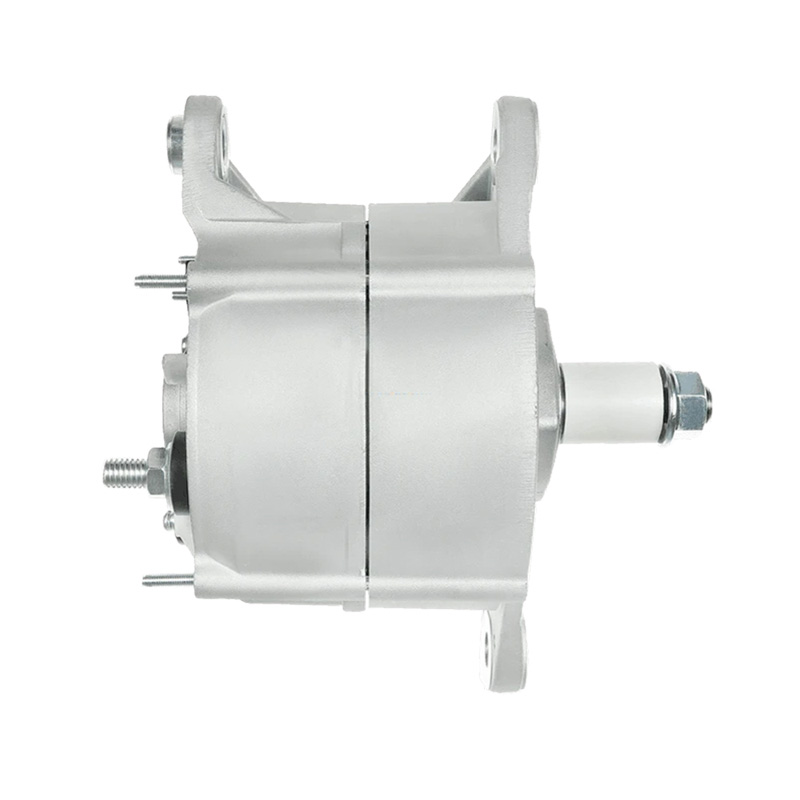
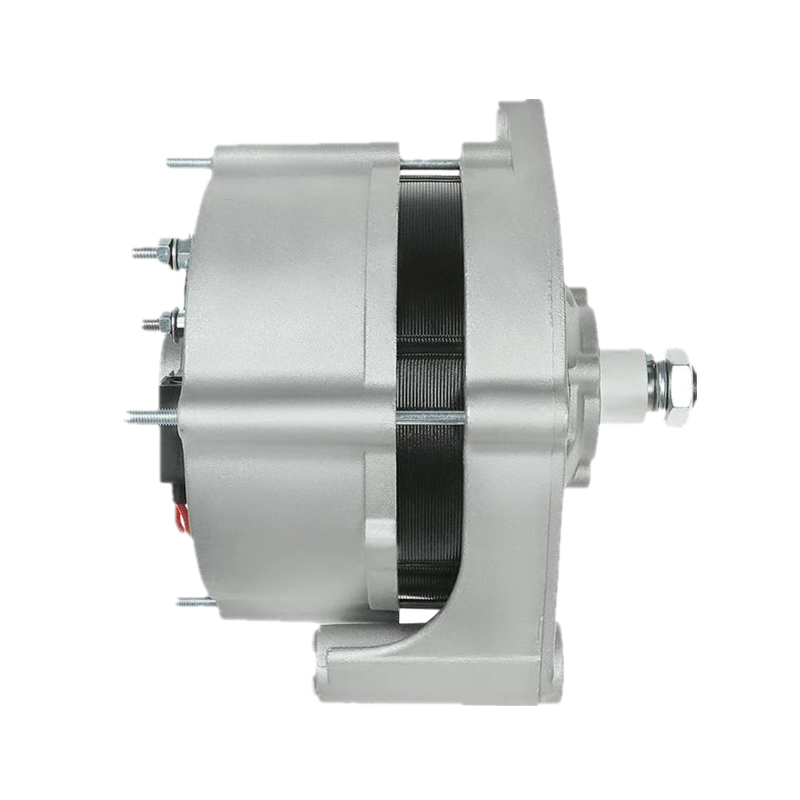
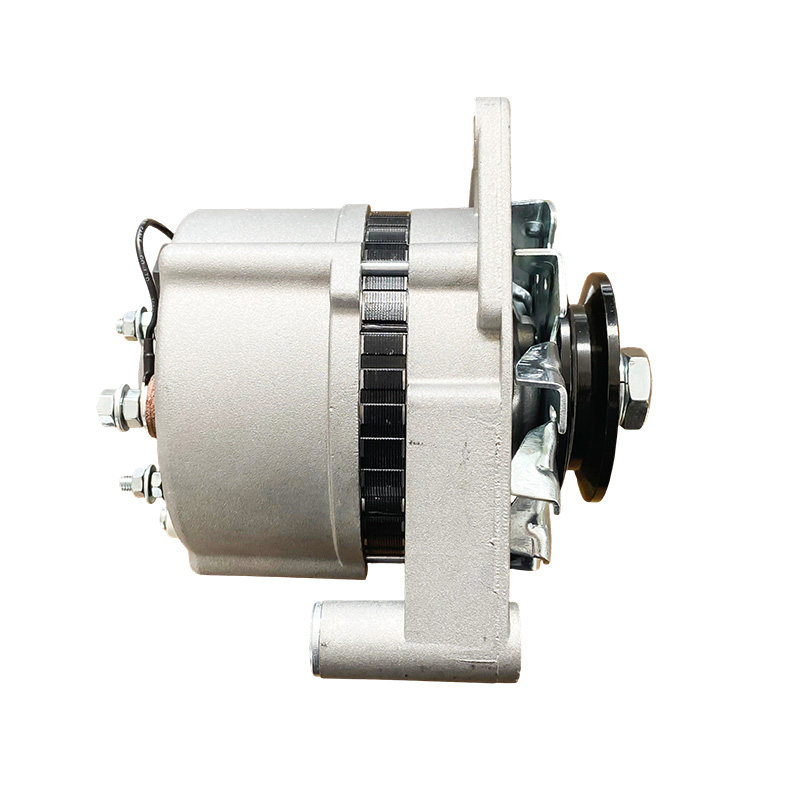
While the 2026 Outlander’s 48V system is new, many Mitsubishi vehicles on the road still rely on conventional 12V alternators. Wuxi Sanyou Auto Electrical Factory produces a range of Mitsubishi-compatible alternators and starters with OE cross-reference numbers, voltage, amperage, and pulley specifications. Below are examples of direct-fit units available for various Mitsubishi applications.
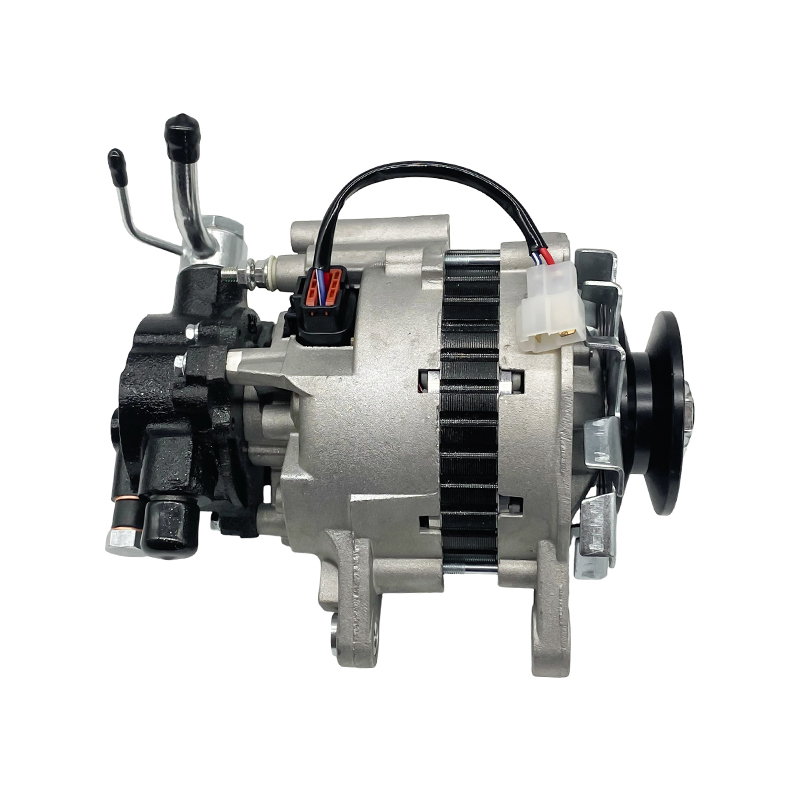 MD124233, MD124234, MD127087, MD132130, 437146 12V 65A 1V84mm MITSUBISHI Alternators for M12642N, 12619, 12642, 22329, 23073, 37300-42017, 37300-42114, 37300-42116, 37300-42200, 37300-42202, 37300-42203, 37300-42204, 37300-42206, 37300-42303, 37300-42802, 3...View Product →
 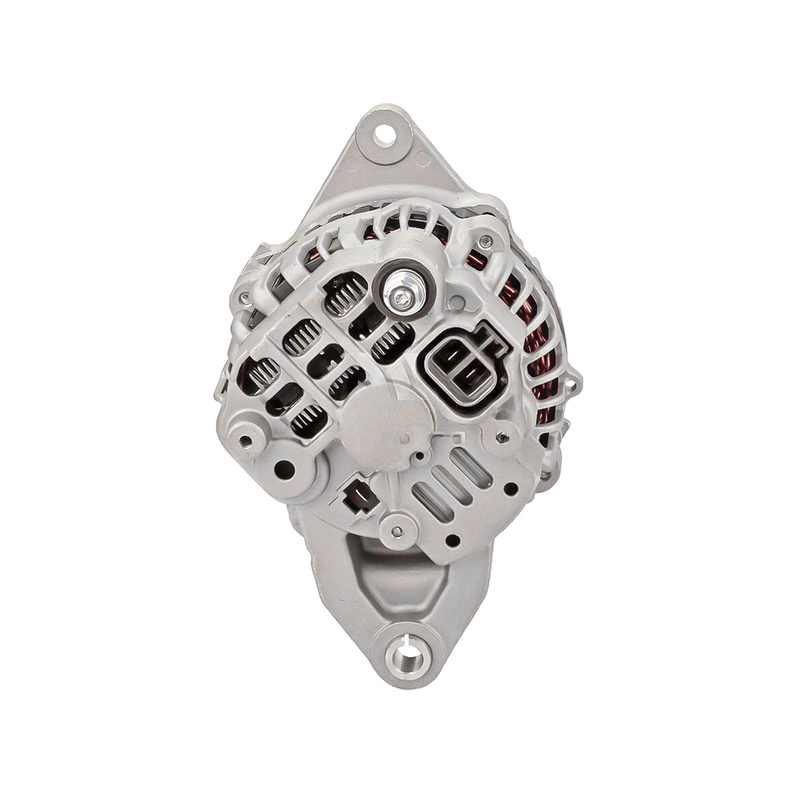 11685N, 11685, 1E327-64011, 1E327-64012, A005TA8192, A005TA8192A 12V 80A 4PK 59mm MITSUBIS11685N, 11685, 1E327-64011, 1E327-64012, A005TA8192, A005TA8192A 12V 80A 4PK 59mm MITSUBISHI Alternators for TAKEUCHI TL12 R2, manufactured by SANYOU. Produced using 1...View Product →
 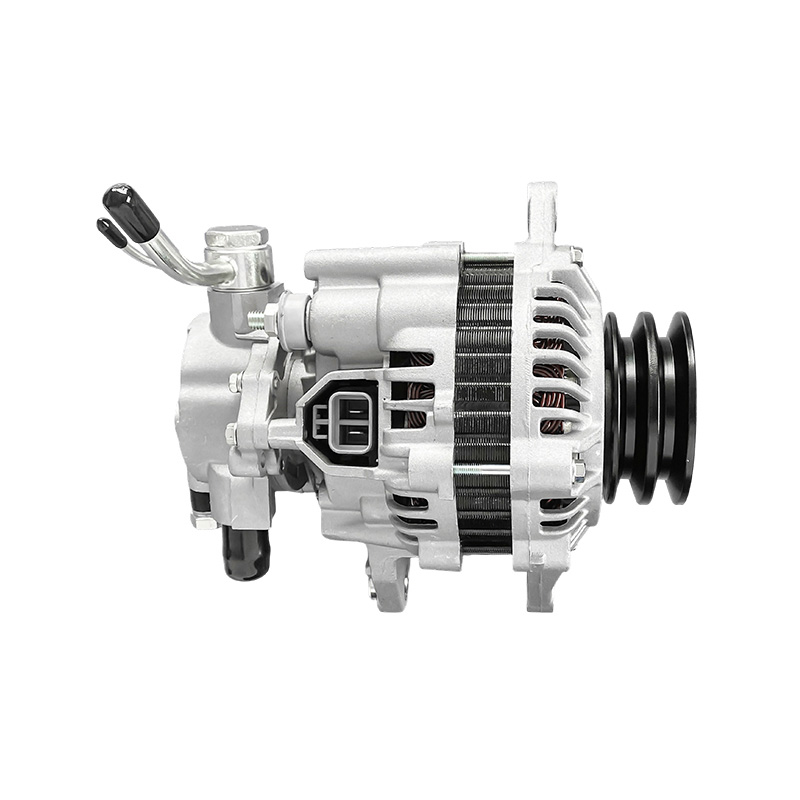 EAL-5503 12V 105A 2O82mm MITSUBISHI Alternators for MITSUBISHI-EUROPE Delica, L200 (K7_T/K12667N, 12643, 12661, 12663, 12665, 12666, 12667, 12667A, 0 986 049 930, A00002T82899, A002T82899, A002TN0499, A002TN1199, A002TN1199AT, A003T15099, A003T15099ZC, A003...View Product →
For buyers, confirm the OE number, voltage (12V or 24V), amperage, pulley grooves, and diameter before ordering. Sanyou’s factory profile notes over 200,000 alternator units annual capacity, serving repair markets in North America, Europe, and beyond.
The 2026 Mitsubishi Outlander mild-hybrid is a meaningful step for Mitsubishi, but it does not eliminate the need for reliable 12V charging components across the service aftermarket. For parts distributors and repair shops, the winning strategy is to carry both traditional 12V alternators and starters for the existing fleet while gradually adding 48V diagnostic capabilities. When sourcing replacement parts, verify OE numbers and physical specifications, and choose suppliers with documented testing and consistent delivery.
Recommended Products
For Exclusive Offers And The Latest Deals, Feel Free To Contact Us!
We will unswervingly implement the tenet of "quality first, customer first, strict management, and creating a famous brand". Professional OEM/ODM Automotive Alternator Manufacturers and Heavy-Duty Truck Alternators Suppliers in China.
Product
Contact Info.
+86-180 5150 2183
+86-0510-83880396
No. 11 QiBei Road, Yuqi Town, Wuxi City, Jiangsu Province, China
 OEM Alternator Supplier Custom Automotive Alternator Truck Alternators Supplier
 English
 Español
 عربى
عربى