English

Need Help Now? Call Us!
+86-0510-83880396
Our team proudly offers an on-time guarantee and a 100% customer satisfaction guarantee.
Contact Online


 2026.07.01
 Industry News
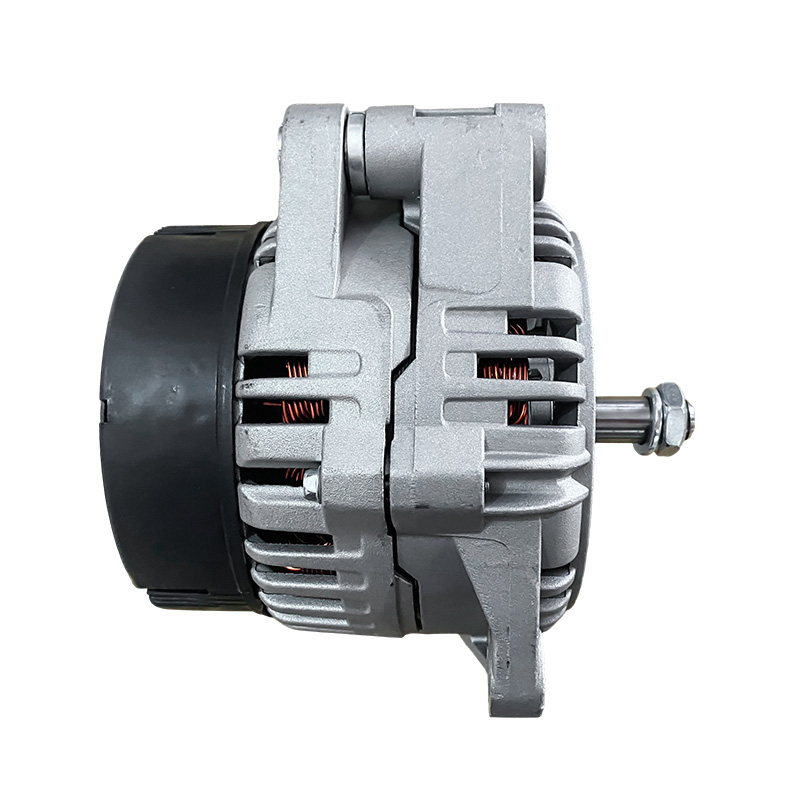
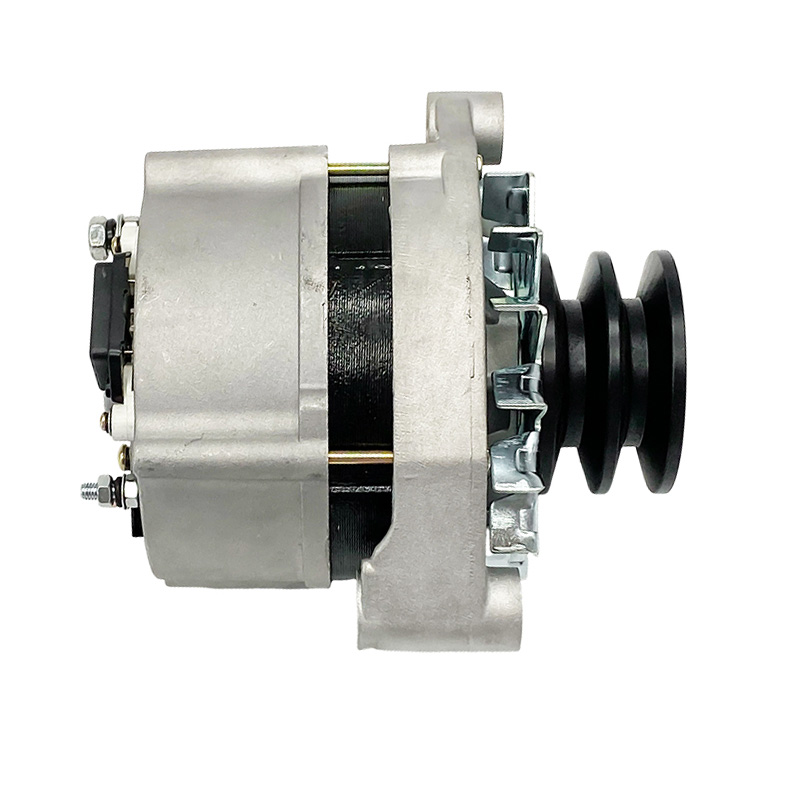
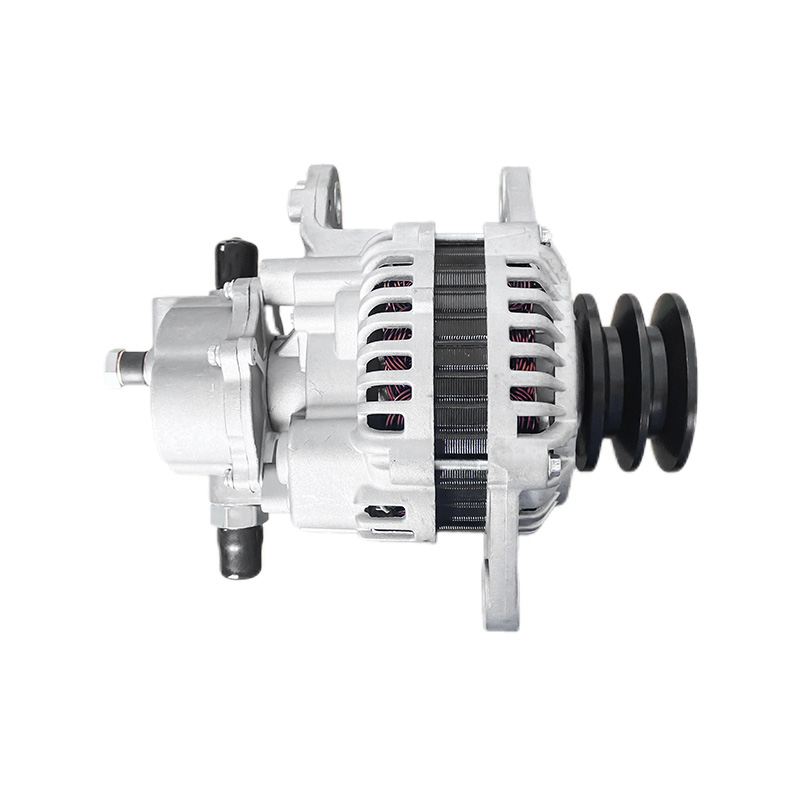
In the complex ecosystem of modern automotive and industrial machinery, the electrical system serves as the nervous center that powers everything from ignition sequences to advanced safety features. At the heart of this system lies the alternator, a critical component responsible for generating electricity and maintaining battery charge. For operators of Mitsubishi-equipped vehicles and machinery, the reliability of this component is non-negotiable. The demand for Steady charging performance is not merely about keeping the lights on; it is about ensuring that engines receive consistent output under varying load conditions, thereby preventing catastrophic failures and extending the lifespan of the entire powertrain. This article explores the importance of high-quality Mitsubishi alternators, their adherence to OE specifications, and their vital role in diverse applications ranging from passenger cars to heavy-duty construction equipment.
Content
An alternator’s primary function is to convert mechanical energy into electrical energy, but its true value is measured by the stability of that output. In modern vehicles and machinery, electronic control units (ECUs), sensors, and infotainment systems require a precise voltage range to operate correctly. Fluctuations in power supply can lead to erratic behavior, data loss, or even permanent damage to sensitive electronics. Therefore, achieving Steady charging performance is essential for maintaining the integrity of the vehicle’s electrical architecture.
Mitsubishi alternators are engineered to meet these rigorous demands. Designed to follow Mitsubishi’s specific electrical configuration and mechanical structure, these units provide a stable foundation for power distribution. Whether the engine is idling in traffic or operating at high RPMs under heavy load, the alternator must adjust its output seamlessly. This consistency ensures that the battery remains charged without being overcharged, which can cause premature failure, or undercharged, which leads to starting issues. For industries where downtime is costly, such as logistics and construction, this reliability is paramount.
When replacing a worn-out alternator, the choice between aftermarket generic parts and those built to Original Equipment (OE) specifications can significantly impact long-term performance. Products in the Mitsubishi alternator category correspond strictly to Mitsubishi OE specifications, ensuring that they fit perfectly and function exactly as the original unit intended. This compatibility is crucial because even minor deviations in mounting points or pulley alignment can cause excessive vibration and premature wear.
These replacement units are built with new components, avoiding the risks associated with refurbished parts that may have hidden weaknesses. By using high-quality materials and advanced manufacturing techniques, manufacturers ensure that each alternator delivers stable output characteristics from day one. This approach provides peace of mind for fleet managers and individual owners alike, knowing that their investment is protected by durable operating performance. The goal is to serve as reliable replacements for equipment originally fitted with Mitsubishi alternators, maintaining the same level of dependability expected from the factory-installed unit.
One of the standout features of Mitsubishi alternators is their versatility. They are widely used in a broad spectrum of applications, including passenger vehicles, light commercial models, construction machinery, and industrial engines. Each of these sectors presents unique challenges that require robust electrical solutions. For passenger vehicles, the focus is on quiet operation and efficiency. In contrast, construction machinery and industrial engines often operate in harsh environments with high levels of dust, vibration, and temperature extremes.
In heavy-duty use scenarios, such as mining or large-scale infrastructure projects, the demand for power is intense. Hydraulic systems, lighting arrays, and communication devices all draw significant current. An alternator that cannot maintain Steady charging performance under these varying load conditions will quickly become a bottleneck. Mitsubishi alternators are designed to handle these stresses, providing dependable power supply even when the engine is subjected to sudden spikes in demand. This capability makes them an ideal choice for operators who require unwavering reliability in challenging conditions.
| Application Sector | Key Challenges | Alternator Requirement |
| Passenger Vehicles | Stop-and-go traffic, accessory load | Efficient low-RPM charging, quiet operation |
| Light Commercial | Extended idle times, cargo weight | Durable bearings, consistent output |
| Construction Machinery | Vibration, dust, high hydraulic load | High-output capacity, rugged housing |
| Industrial Engines | Continuous operation, variable loads | Thermal stability, long service life |
Durability is a key consideration for any component subjected to daily or heavy-duty use. Mitsubishi alternators are built to withstand the rigors of continuous operation, featuring robust internal components that resist wear and tear. The use of high-quality diodes, bearings, and windings ensures that the unit can handle thermal stress and mechanical vibration without compromising performance. This durability translates to lower maintenance costs and fewer unexpected breakdowns, which is crucial for businesses that rely on their equipment for revenue generation.
Furthermore, the design of these alternators facilitates efficient heat dissipation, preventing overheating during prolonged periods of high output. Overheating is a common cause of alternator failure, so effective thermal management is integral to maintaining Steady charging performance over the long term. By choosing replacements that prioritize durable operating performance, operators can ensure that their vehicles and machinery remain productive and reliable, regardless of the demands placed upon them. In conclusion, investing in high-quality Mitsubishi alternators is a strategic decision that safeguards operational efficiency and extends the lifecycle of valuable assets.
Recommended Products
For Exclusive Offers And The Latest Deals, Feel Free To Contact Us!
We will unswervingly implement the tenet of "quality first, customer first, strict management, and creating a famous brand". Professional OEM/ODM Automotive Alternator Manufacturers and Heavy-Duty Truck Alternators Suppliers in China.
Product
Contact Info.
+86-180 5150 2183
+86-0510-83880396
No. 11 QiBei Road, Yuqi Town, Wuxi City, Jiangsu Province, China
 OEM Alternator Supplier Custom Automotive Alternator Truck Alternators Supplier
 English
 Español
 عربى
عربى