English

Need Help Now? Call Us!
+86-0510-83880396
Our team proudly offers an on-time guarantee and a 100% customer satisfaction guarantee.
Contact Online


 2026.03.26
 Industry News
Content
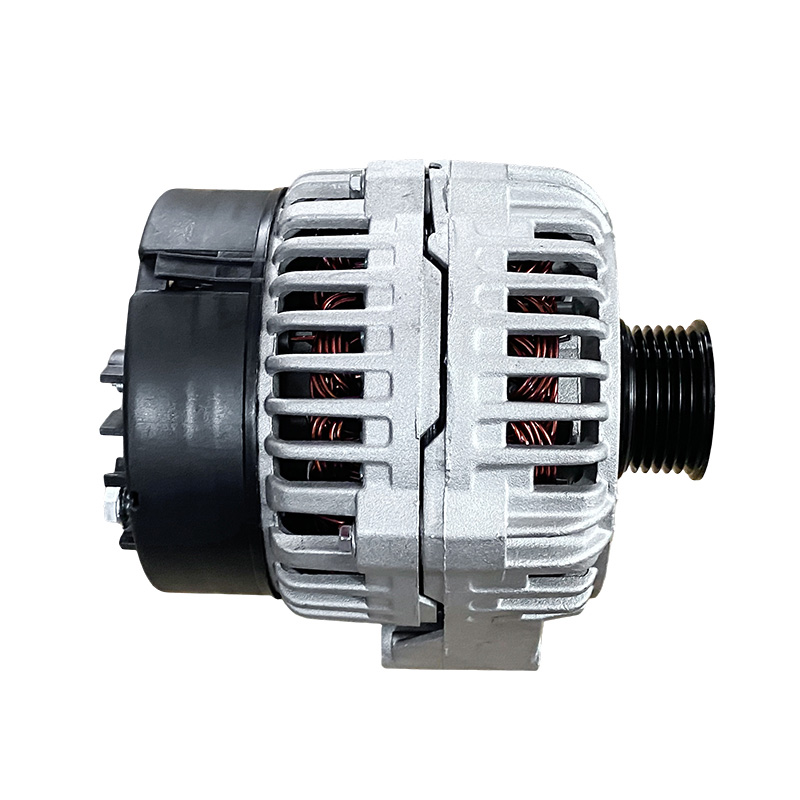
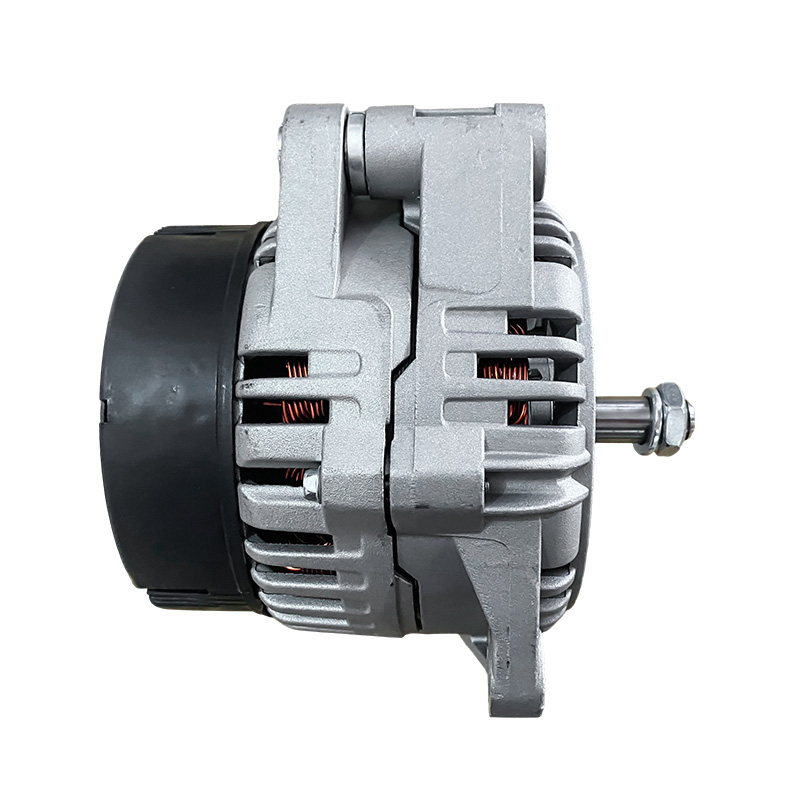
Truck alternators, agricultural equipment alternators, and construction machinery alternators share the same core function — converting mechanical engine energy into DC electrical power — but the operating environments they face are dramatically different. Selecting the right alternator means understanding how each application stresses the unit in distinct ways: duty cycle, ambient temperature range, vibration intensity, load profile, and service accessibility all differ between a long-haul semi, a combine harvester, and a crawler excavator.
Choosing an alternator rated only for peak load, without accounting for application-specific stress factors, is the most common cause of premature failure in off-highway and commercial vehicle fleets. The sections below break down what matters most in each category.
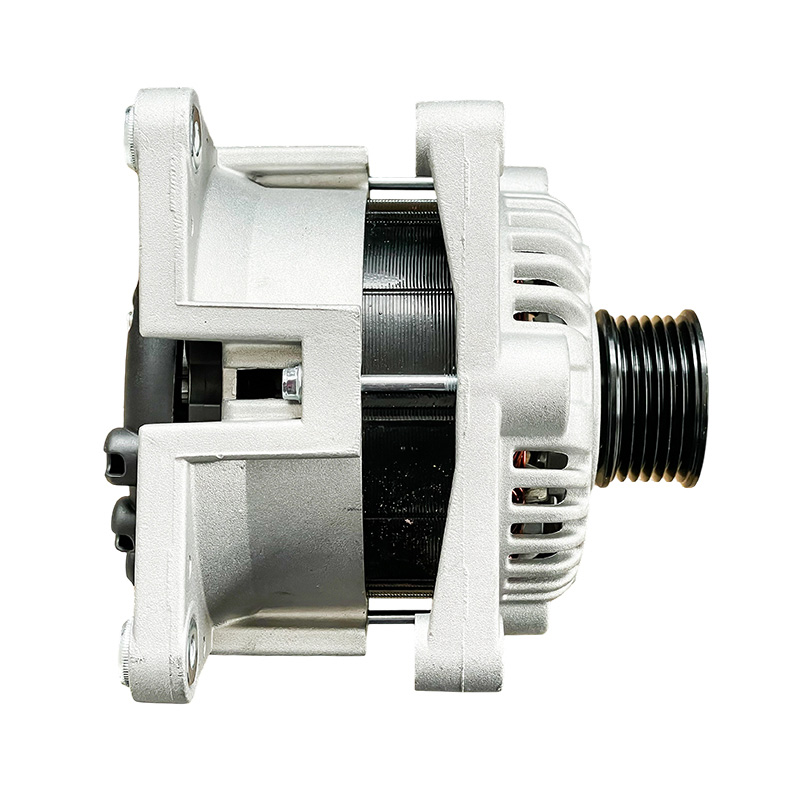
Commercial truck alternators — fitted to Class 6 through Class 8 vehicles including semi-trucks, dump trucks, tankers, and utility rigs — are defined by two primary demands: high continuous output and reliable performance across wide RPM ranges. A fully loaded long-haul truck may carry simultaneous electrical loads from refrigerated trailers, inverters, electronic logging systems, HVAC, and lighting that together exceed 250 amps.
Truck alternators in this segment are commonly rated from 160 to 320 amps, with premium units for vocational trucks (fire apparatus, airport ground support, refuse) reaching 400 amps or beyond. Key performance considerations include:
For fleet operators, specifying an alternator rated 20–30% above calculated peak load provides thermal headroom that meaningfully extends service life and reduces mid-route failure risk.
Agricultural alternators face a unique combination of stresses that few other applications replicate. Modern farm equipment — combines, tractors, sprayers, and forage harvesters — carries sophisticated precision agriculture electronics, GPS guidance systems, variable-rate application controllers, and multiple work lighting arrays. A current-model high-horsepower combine can generate electrical loads exceeding 200 amps during peak harvest operations.
Beyond raw output demands, agricultural alternators must contend with:
Major OEM platforms including John Deere, Case IH, AGCO, and Claas rely on alternators from specialized suppliers capable of meeting these combined environmental and output requirements — and aftermarket replacements should be verified against the same performance standards, not just physical fitment.
Construction equipment alternators — fitted to excavators, wheel loaders, motor graders, bulldozers, and crane carriers — operate under the most mechanically demanding conditions of any alternator category. The defining challenge is continuous high-amplitude vibration transmitted through the machine frame from ground engagement, impact loading, and rough terrain travel.
Vibration failure is the leading alternator failure mode in construction machinery, manifesting as broken solder joints in rectifier assemblies, loose brush holders, cracked stator windings, and bearing failures accelerated far beyond their normal wear rate. Construction-grade alternators address this through:
Output requirements for construction machinery alternators typically range from 90 to 200 amps depending on machine class, with large mining-class equipment exceeding this range. While output demands are generally lower than long-haul trucks, the mechanical durability specification is substantially higher — and it is the more critical parameter to verify when sourcing replacements.
| Application | Typical Output Range | Primary Stress Factor | Key Design Priority |
|---|---|---|---|
| Heavy-Duty Truck | 160 – 400 A | Continuous high electrical load | Output capacity & duty cycle |
| Agricultural Equipment | 120 – 250 A | Dust, chaff, temperature extremes | Sealed design & thermal range |
| Construction Machinery | 90 – 200 A | Continuous mechanical vibration | Vibration resistance & IP rating |
Regardless of application, a reliable alternator selection process should work through the following verification points before purchase:
Applying this checklist consistently — rather than relying on part number cross-reference alone — significantly reduces the incidence of premature failure and avoidable field replacements across all three heavy equipment categories.
Recommended Products
For Exclusive Offers And The Latest Deals, Feel Free To Contact Us!
We will unswervingly implement the tenet of "quality first, customer first, strict management, and creating a famous brand". Professional OEM/ODM Automotive Alternator Manufacturers and Heavy-Duty Truck Alternators Suppliers in China.
Product
Contact Info.
+86-180 5150 2183
+86-0510-83880396
No. 11 QiBei Road, Yuqi Town, Wuxi City, Jiangsu Province, China
 OEM Alternator Supplier Custom Automotive Alternator Truck Alternators Supplier
 English
 Español
 عربى
عربى