English

Need Help Now? Call Us!
+86-0510-83880396
Our team proudly offers an on-time guarantee and a 100% customer satisfaction guarantee.
Contact Online


 2026.03.26
 Industry News
Content
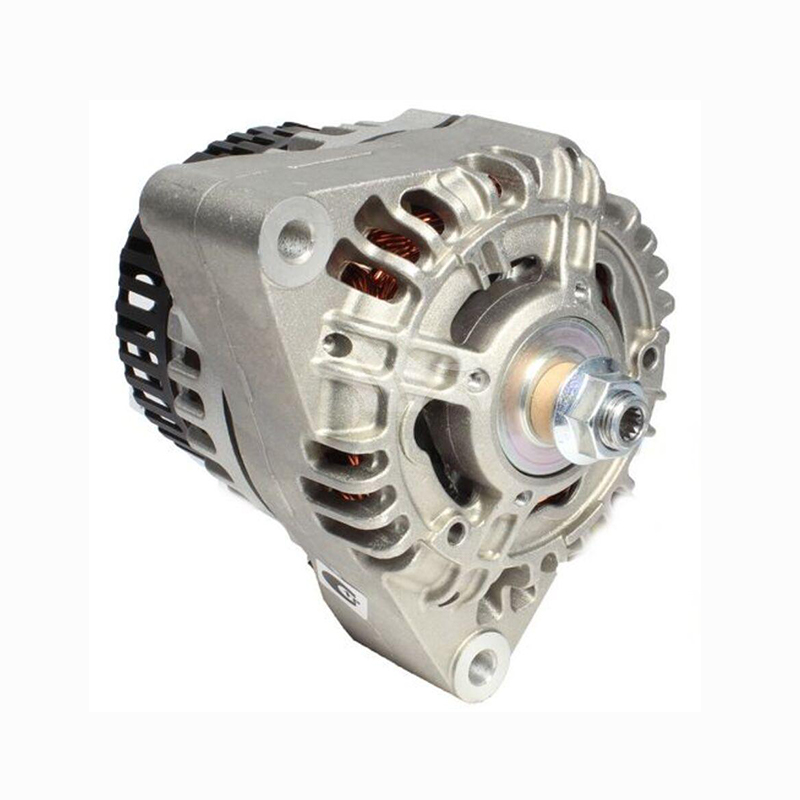
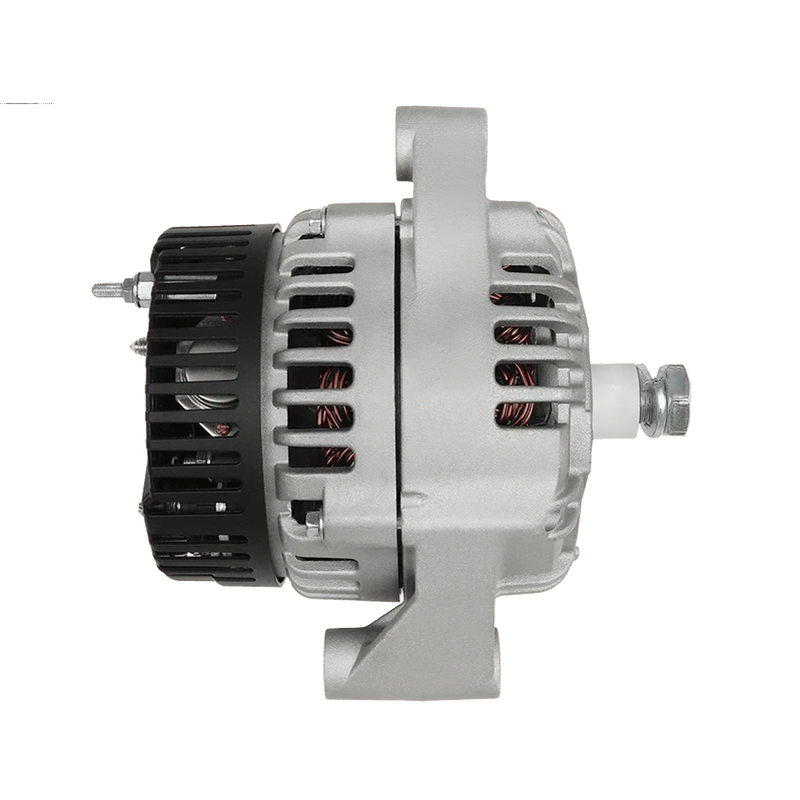
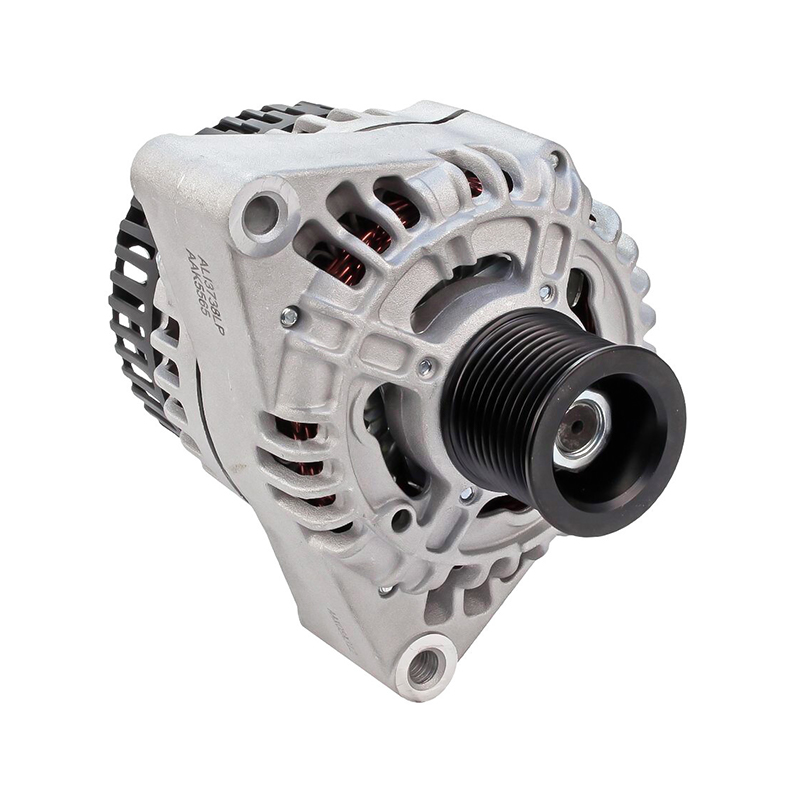
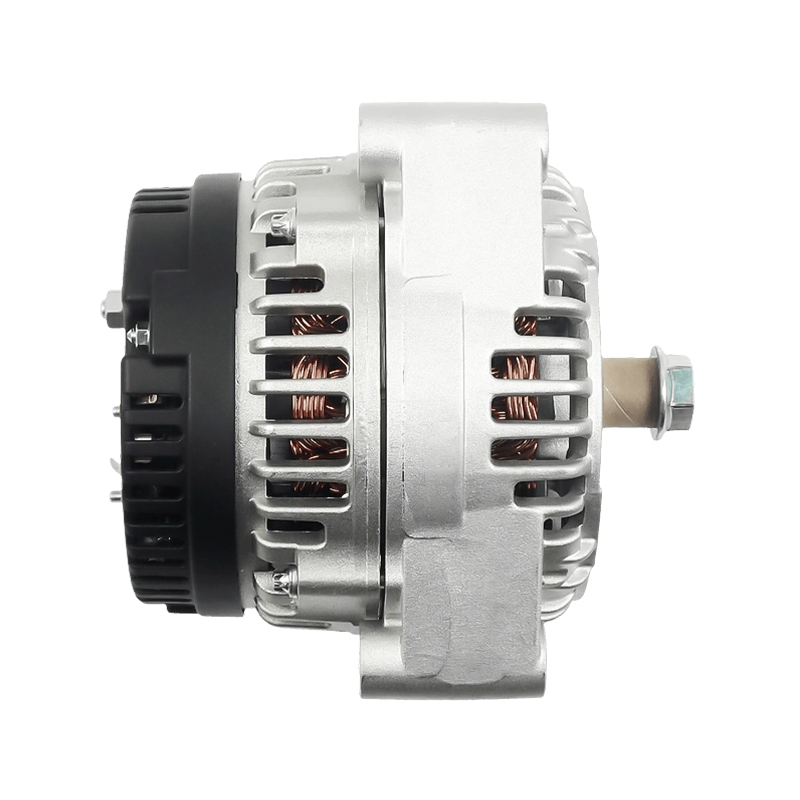
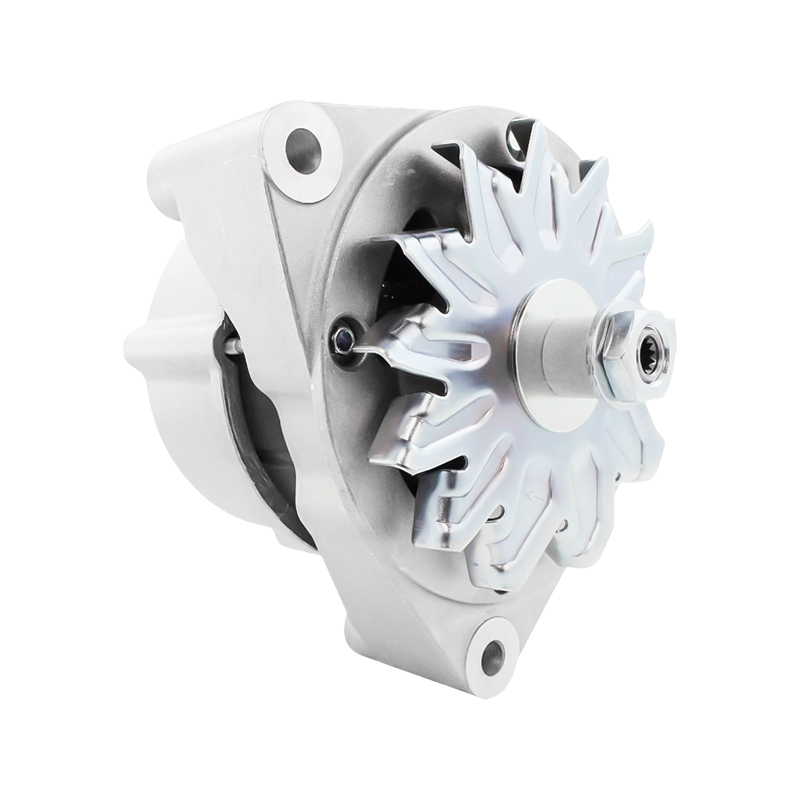
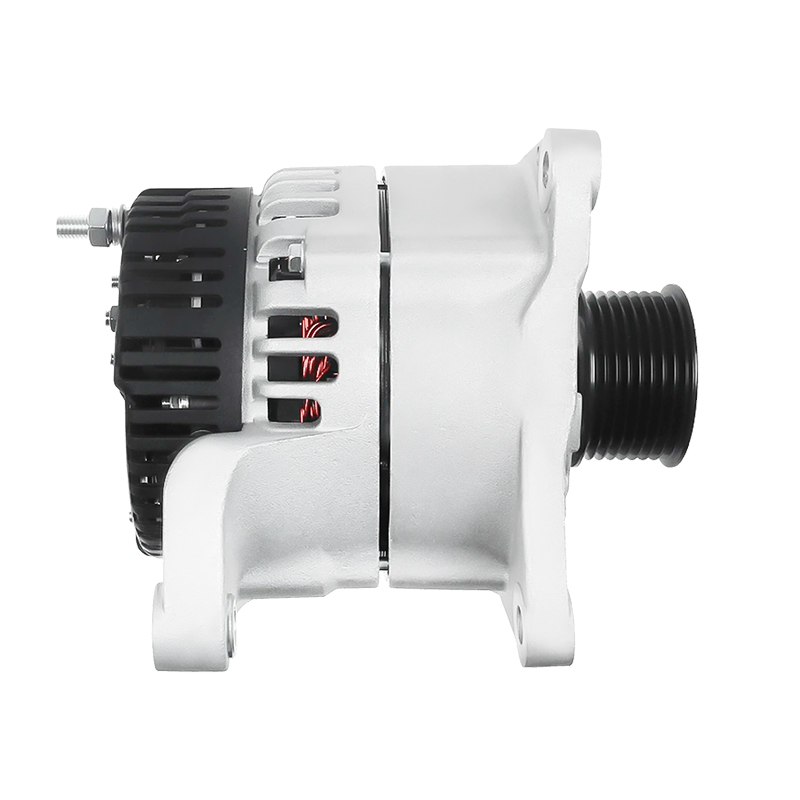
An alternator is the primary charging component in any vehicle's electrical system. While the battery provides the initial burst of power to start the engine, the alternator takes over immediately after — converting mechanical energy from the engine's crankshaft into alternating current (AC), which an internal rectifier then converts to direct current (DC) to recharge the battery and power all onboard electrical loads while the engine runs.
In a standard automotive alternator, output typically ranges from 80 to 160 amps. That range is sufficient for passenger cars and light-duty trucks with moderate electrical demands. However, the fundamental design principle — rotor, stator, rectifier, and voltage regulator — remains consistent across both passenger vehicle and commercial truck applications.
What changes between vehicle classes is not the operating principle but the output capacity, physical durability, cooling design, and tolerance for continuous high-load operation.
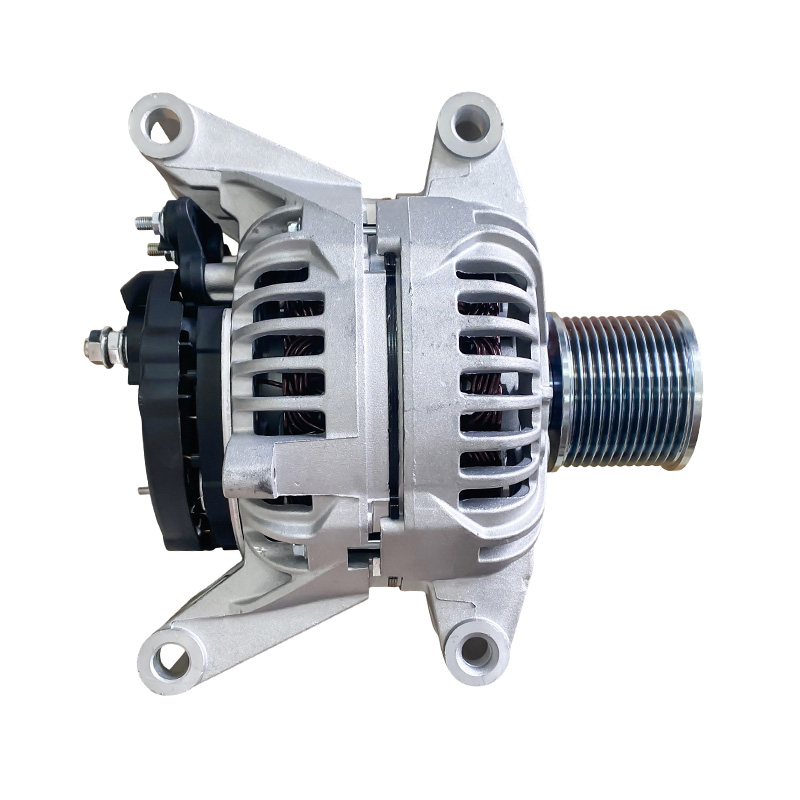
Heavy-duty truck alternators operate under fundamentally different stress conditions than their automotive counterparts. Class 6–8 trucks — including semi-trucks, dump trucks, fire apparatus, and refuse vehicles — carry significantly higher continuous electrical loads from systems such as:
To meet these demands, heavy-duty truck alternators are commonly rated from 160 to 320 amps, with specialized units for emergency vehicles or utility trucks reaching 400 amps or beyond. Beyond raw output, they are engineered for sustained duty cycles — an automotive alternator may only operate at 25–50% of its rated load in normal use, whereas a truck alternator on a refuse or utility vehicle may run near peak load for hours at a time.
Thermal management is another critical differentiator. Truck alternators typically feature improved internal airflow, larger frame housings, and in some cases external cooling provisions, all designed to prevent thermal derating or failure during extended high-current operation.
Choosing the right alternator requires evaluating several interdependent specifications rather than focusing on peak amperage alone. The following table outlines the most critical parameters buyers should compare:
| Specification | What It Means | Typical Range (Heavy-Duty) |
|---|---|---|
| Rated Output (Amps) | Maximum continuous current at rated RPM and temperature | 160 – 400 A |
| Cold Output (Amps) | Output at idle RPM before thermal saturation; critical for low-speed operation | 90 – 200 A |
| System Voltage | 12V or 24V, must match vehicle's electrical system | 12V or 24V |
| Rotation Direction | CW or CCW as viewed from drive end; incorrect rotation direction causes no output | CW / CCW |
| Mount / Frame Size | Physical bolt pattern and housing diameter (e.g., Pad Mount, J-180) | Varies by OEM platform |
| Duty Cycle Rating | Percentage of time the unit can sustain rated output without derating | 100% continuous (premium units) |
Cold output is frequently underweighted by buyers but is often the more operationally relevant figure — particularly for vehicles that idle frequently, such as delivery trucks, emergency vehicles, or refuse trucks at collection stops. An alternator with a high rated output but poor low-RPM performance may fail to keep pace with electrical demand in real operating conditions.
Understanding how alternators fail — and the early warning signs — reduces unplanned downtime significantly. The most common failure modes in both automotive and truck alternators share a few patterns:
Front and rear bearings support the rotor at high rotational speeds. Bearing wear presents as a high-pitched whine or grinding noise that increases with engine RPM. If ignored, seized bearings will destroy the stator windings and rotor, turning a straightforward bearing replacement into a full unit replacement.
A failed diode allows AC ripple to contaminate the vehicle's DC electrical system. This can corrupt ECU data, damage sensitive electronics, and cause erratic battery charging behavior. A diode pack failure is typically confirmed with an oscilloscope or dedicated alternator tester rather than a simple voltmeter.
The voltage regulator controls field current to maintain system voltage within a defined range — typically 13.8 to 14.8V on a 12V system. A failed regulator may overcharge (damaging batteries) or undercharge (leading to a discharged battery and potential no-start). Many modern truck alternators use externally mounted smart regulators that can be replaced independently of the alternator body.
Operating an undersized alternator at near-peak load continuously accelerates winding insulation degradation and shortens service life. This is the most common avoidable failure in fleet applications — choosing an alternator rated 20–30% above the vehicle's calculated electrical load provides meaningful thermal headroom and extends service intervals.
Fleet purchasing decisions around alternators typically involve three sourcing options, each with distinct trade-offs:
For fleet operators, the total cost of ownership calculation should factor in warranty coverage, average replacement interval, and the labor cost of a mid-route failure — not just the unit acquisition price. A higher-output, premium-grade alternator that extends service life from 80,000 to 150,000 miles often represents a lower per-mile cost despite a higher upfront investment.
Recommended Products
For Exclusive Offers And The Latest Deals, Feel Free To Contact Us!
We will unswervingly implement the tenet of "quality first, customer first, strict management, and creating a famous brand". Professional OEM/ODM Automotive Alternator Manufacturers and Heavy-Duty Truck Alternators Suppliers in China.
Product
Contact Info.
+86-180 5150 2183
+86-0510-83880396
No. 11 QiBei Road, Yuqi Town, Wuxi City, Jiangsu Province, China
 OEM Alternator Supplier Custom Automotive Alternator Truck Alternators Supplier
 English
 Español
 عربى
عربى