English

Need Help Now? Call Us!
+86-0510-83880396
Our team proudly offers an on-time guarantee and a 100% customer satisfaction guarantee.
Contact Online


 2026.05.09
 Industry News
Content
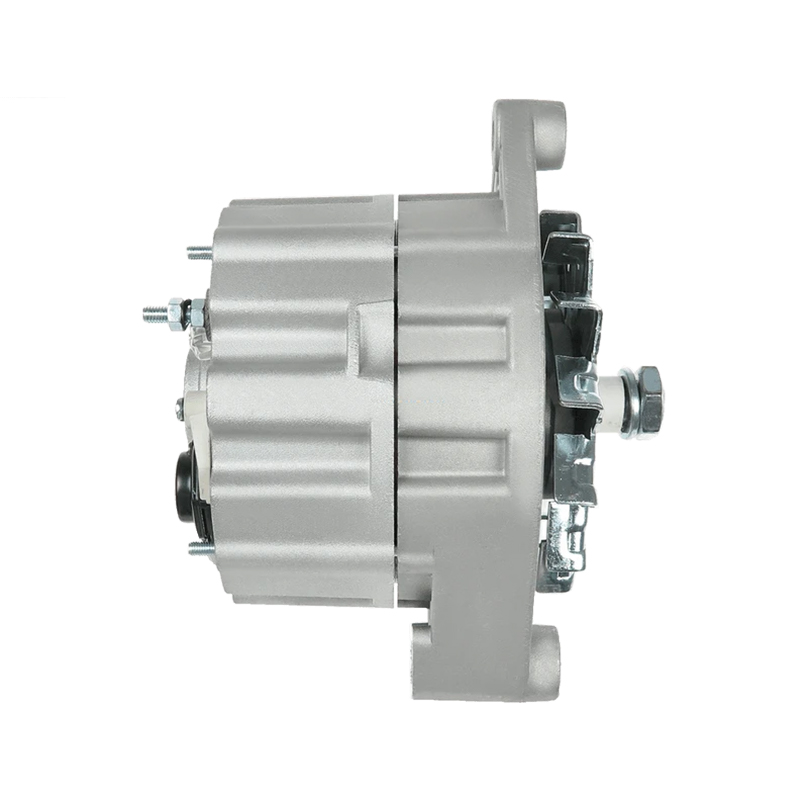
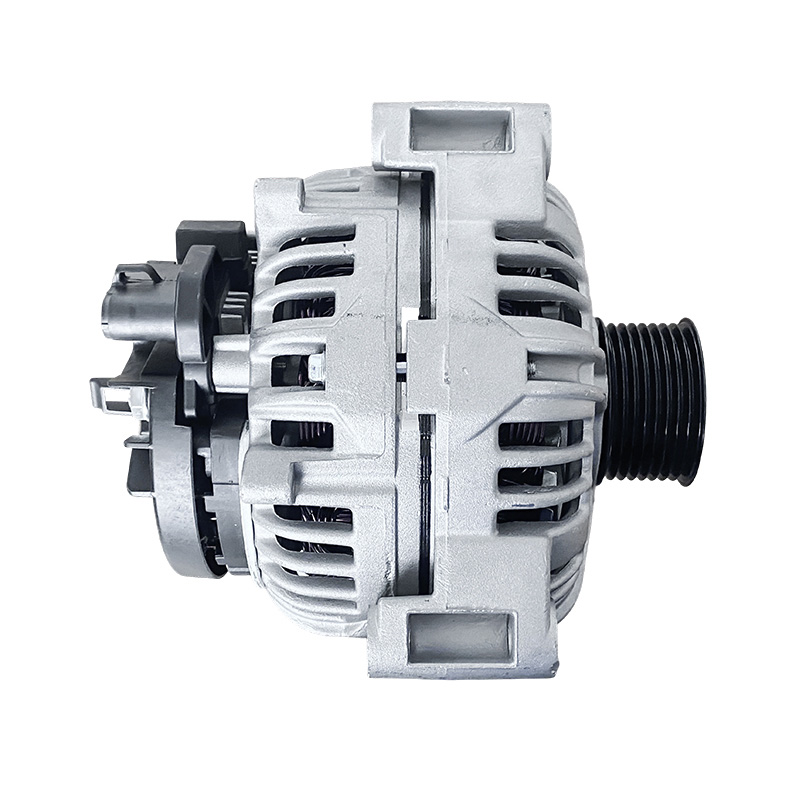
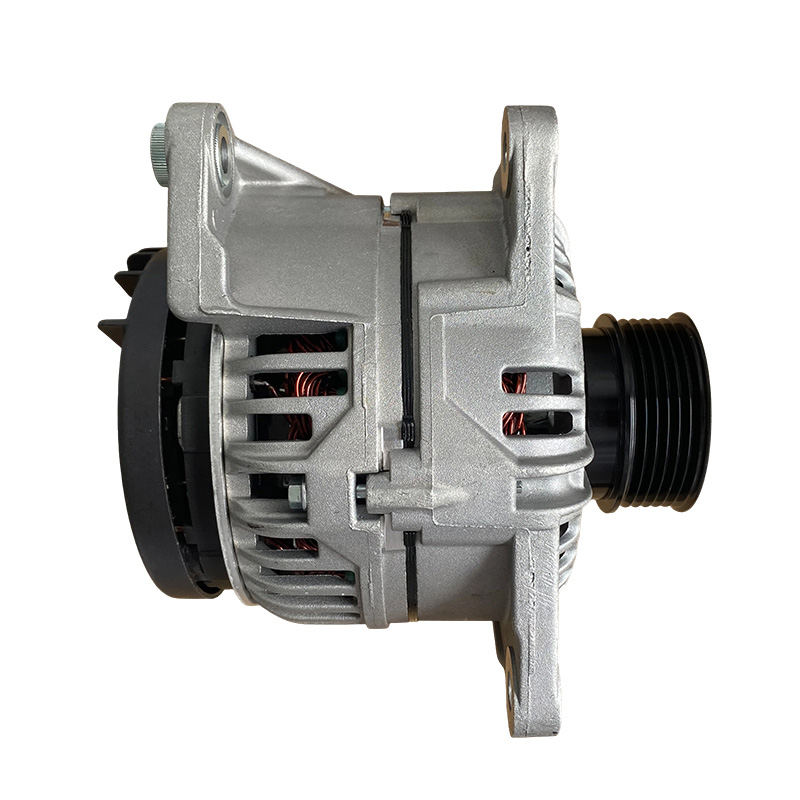
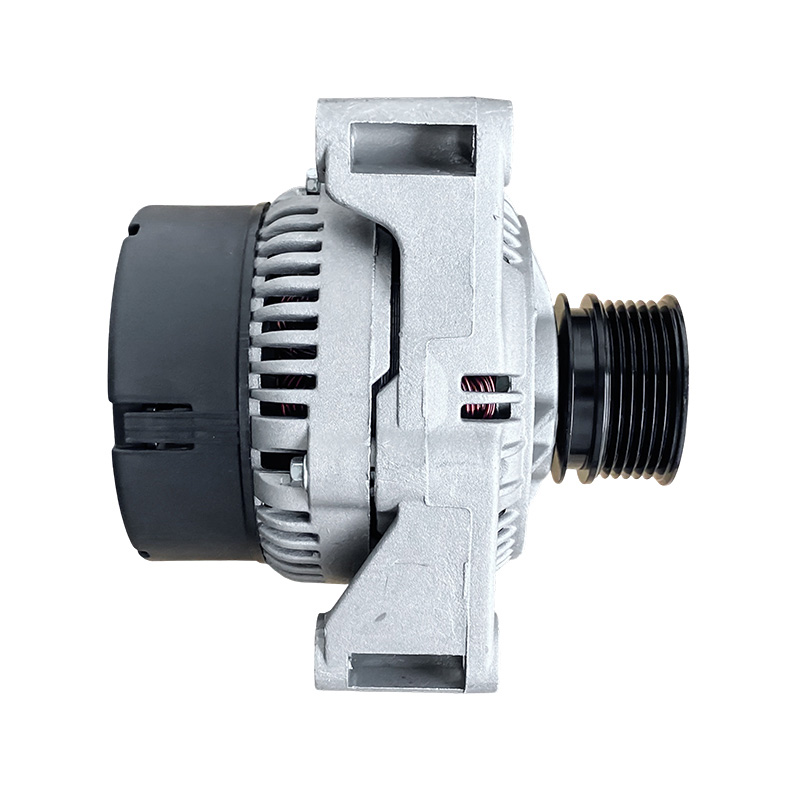
In the competitive landscape of automotive electrical components, the MAGNETI MARELLI alternator occupies a distinct position built on decades of OEM supply experience. Magneti Marelli has supplied electrical systems directly to European vehicle manufacturers — including Fiat, Alfa Romeo, Lancia, and various PSA Group platforms — which means their alternators are not reverse-engineered aftermarket interpretations but precision components developed to the same engineering tolerances as the original factory-fitted units. This heritage translates directly into real-world performance advantages that generic replacement alternatives cannot replicate.
The fundamental role of an alternator is to convert mechanical energy from the engine's crankshaft into alternating current, which is then rectified to direct current to charge the battery and power the vehicle's electrical loads while the engine is running. A poorly engineered alternator that delivers unstable output voltage, runs hot, or fails prematurely creates a cascade of secondary problems — from battery degradation to ECU voltage faults and premature failure of sensitive electrical accessories. Specifying a MAGNETI MARELLI alternator eliminates these risks by ensuring that the charging system operates within the precise voltage and current parameters the vehicle's electrical architecture was designed around.
The exceptional durability of Magneti Marelli alternators is not a marketing claim — it is the outcome of specific engineering choices made at the component and system level. Understanding these design decisions helps explain why these units consistently outperform lower-cost alternatives in service life and reliability testing.
The rotor and stator windings are the heart of any alternator, and their quality directly determines output consistency and thermal resistance. Magneti Marelli uses high-grade copper windings with precise insulation ratings that maintain integrity at the elevated temperatures generated during sustained high-load operation — such as extended low-speed urban driving with air conditioning, lighting, and infotainment systems all drawing current simultaneously. Inferior copper alloys or inadequate insulation in budget alternatives frequently lead to winding degradation within 40,000 to 60,000 kilometres, well short of the service intervals expected from OEM-specification components.
The rectifier bridge — which converts AC output to DC — and the voltage regulator are two components that experience significant thermal and electrical stress during normal operation. In Magneti Marelli alternators, the rectifier diodes are rated to handle the peak current demands of the specific vehicle platforms they serve, rather than being generic components selected for cost efficiency. The integrated or closely matched voltage regulator maintains output in the 13.8 to 14.5 volt range regardless of engine speed variations, ensuring that neither the battery nor sensitive vehicle electronics are subjected to over-voltage events that accelerate component aging.
Alternator bearings operate under continuous rotational load across a wide speed range — from idle at roughly 1,500 RPM at the alternator pulley to highway speeds generating 8,000 RPM or more. Magneti Marelli specifies sealed bearings with grease formulations matched to the operating temperature envelope of each alternator design. This attention to bearing specification is a primary reason for the exceptional durability these units deliver in service. Premature bearing failure — characterised by the distinctive whine or grinding noise familiar to technicians diagnosing charging system issues — is disproportionately common in alternators where bearing grade and lubrication have been compromised to reduce manufacturing cost.
The phrase "meets or exceeds OEM standards" appears frequently in the replacement parts market, but its practical meaning varies enormously between suppliers. For Magneti Marelli alternators, this claim is substantiated by the fact that these units are produced by the same manufacturer that held the original OEM supply contract — meaning the specifications, materials, and production processes are identical or directly derived from those used in the original factory fitment.
In practical terms, OEM-equivalent construction delivers the following measurable outcomes:
Magneti Marelli alternators serve two distinct customer needs: direct OEM replacement for failed units, and performance upgrades for vehicles whose electrical load requirements have grown beyond the original alternator's rated output. Understanding which scenario applies to your situation is essential for selecting the correct specification.
For vehicles experiencing charging system failure — battery warning light illumination, battery drain, or confirmed alternator fault codes — a like-for-like Magneti Marelli replacement is the correct specification. The replacement unit will match the original rated output current (typically expressed in amperes at a defined RPM and temperature, such as 120A at 6,000 RPM and 80°C), ensuring that the vehicle's electrical system receives exactly the charging capacity it was designed for. Installation is straightforward because dimensional compatibility is guaranteed, and no modification to the wiring harness, belt routing, or mounting hardware is required.
Vehicles that have been fitted with aftermarket accessories — high-powered audio systems, auxiliary lighting arrays, additional refrigeration compressors, or towing-related electrical equipment — frequently place charging demands that exceed the original alternator's rated capacity. In these cases, selecting a higher-output Magneti Marelli alternator from a compatible model range allows the vehicle to meet its increased electrical load while maintaining stable voltage regulation. This approach is preferable to running the original alternator at or near its rated maximum continuously, which accelerates thermal degradation and significantly reduces service life.
One of the most practically important attributes of the MAGNETI MARELLI alternator range is its precise construction for compatibility with vehicles originally equipped with Magneti Marelli components. This matters because modern vehicles are increasingly integrated systems where the alternator communicates with the engine management unit, the battery sensor, and the body control module — not simply a standalone charging device that can be swapped without consequence.
| Vehicle Group | Common Magneti Marelli Fitment | Typical Rated Output | Key Compatibility Feature |
| Fiat / Alfa Romeo | 1.2–2.0L petrol platforms | 90A – 150A | Integrated regulator, direct ECU communication |
| Lancia | Compact and midsize models | 90A – 120A | OEM connector and mounting match |
| PSA Group (Peugeot / Citroën) | 1.4–2.2L petrol and diesel | 120A – 180A | Voltage regulation curve matched to BSI module |
| Light Commercial Vehicles | Vans and fleet platforms | 150A – 200A | High-cycle durability for stop-start operation |
Selecting an alternator by OEM part number or precise vehicle application data — make, model, engine code, and model year — rather than by generic physical description ensures that the replacement unit will integrate fully with the vehicle's electrical management systems without requiring additional programming or adaptation.
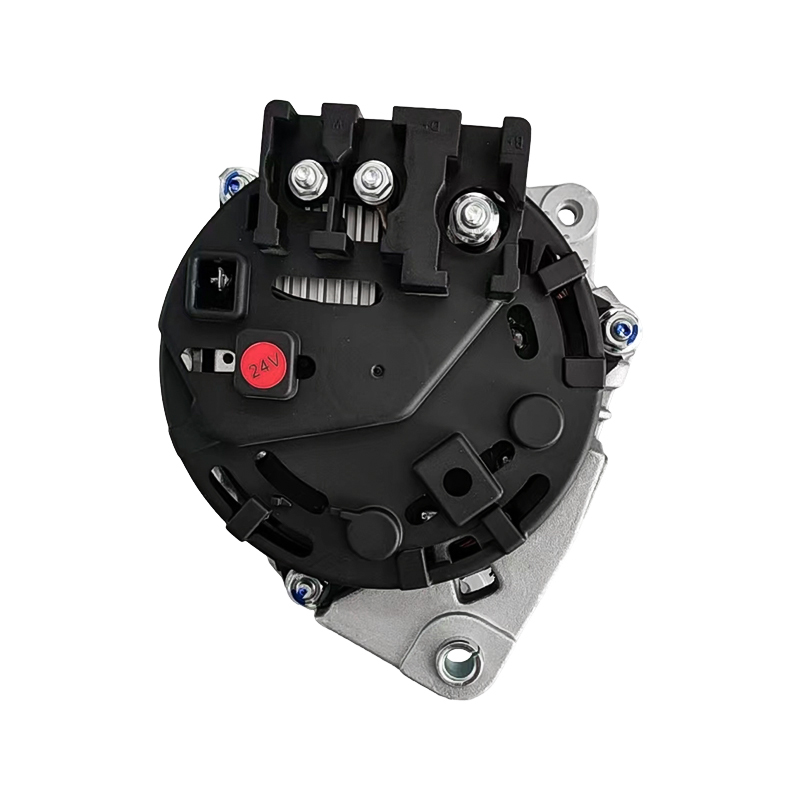
Even an alternator with exceptional durability benefits from correct installation and routine maintenance practices that protect both the unit and the broader charging system. The following measures extend service life and prevent the premature failures that most commonly affect alternators in practical use:
By combining the inherent reliability of a correctly specified MAGNETI MARELLI alternator with these practical maintenance disciplines, vehicle operators and fleet managers can expect service intervals that match or exceed the vehicle manufacturer's original design life for the charging system — typically 150,000 to 200,000 kilometres under normal operating conditions.
Recommended Products
For Exclusive Offers And The Latest Deals, Feel Free To Contact Us!
We will unswervingly implement the tenet of "quality first, customer first, strict management, and creating a famous brand". Professional OEM/ODM Automotive Alternator Manufacturers and Heavy-Duty Truck Alternators Suppliers in China.
Product
Contact Info.
+86-180 5150 2183
+86-0510-83880396
No. 11 QiBei Road, Yuqi Town, Wuxi City, Jiangsu Province, China
 OEM Alternator Supplier Custom Automotive Alternator Truck Alternators Supplier
 English
 Español
 عربى
عربى