English

Need Help Now? Call Us!
+86-0510-83880396
Our team proudly offers an on-time guarantee and a 100% customer satisfaction guarantee.
Contact Online


 2026.05.13
 Industry News
Content
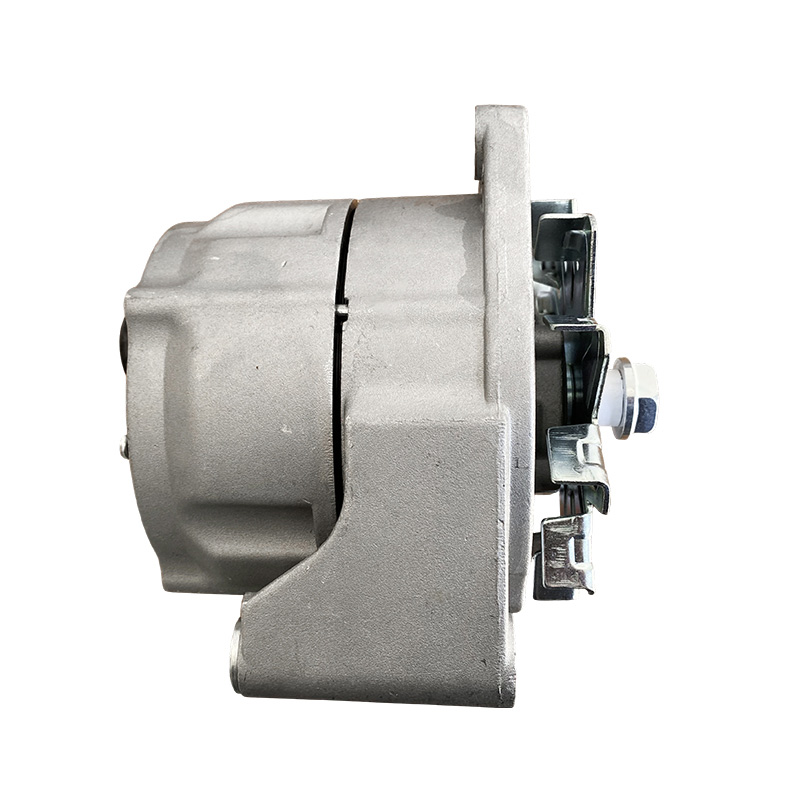
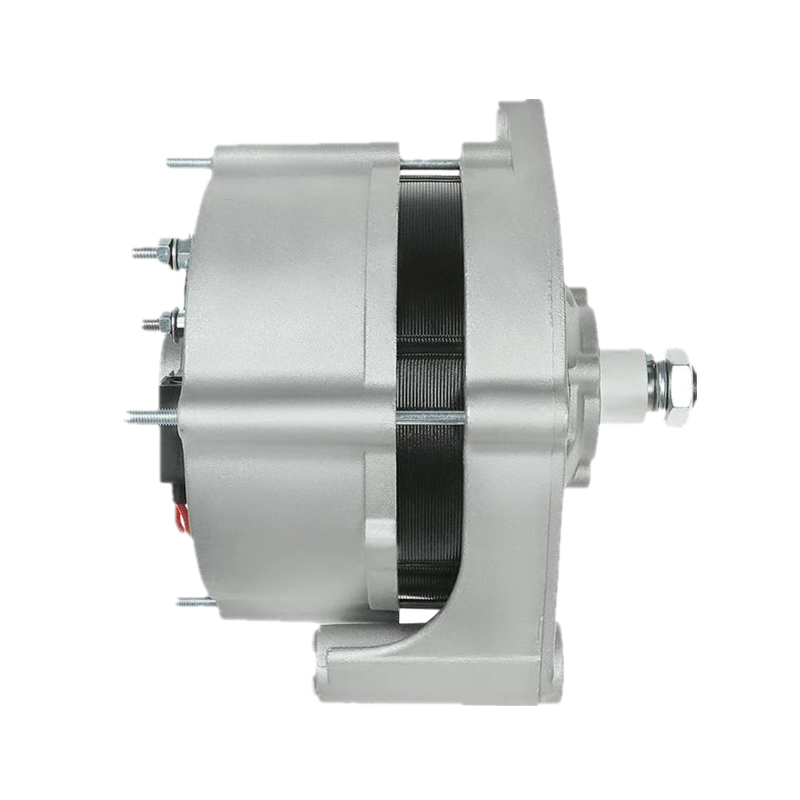
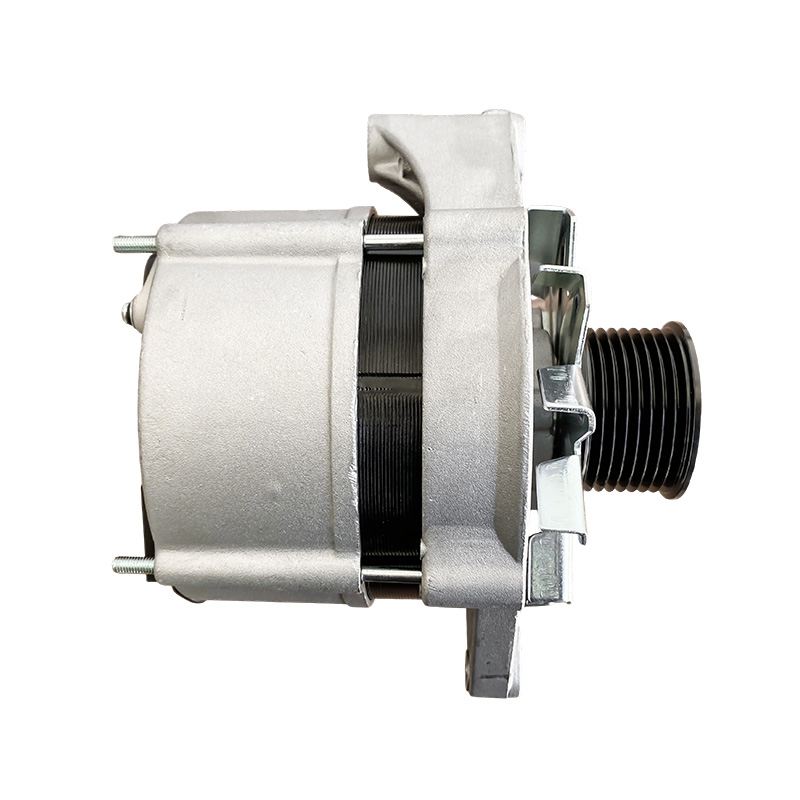
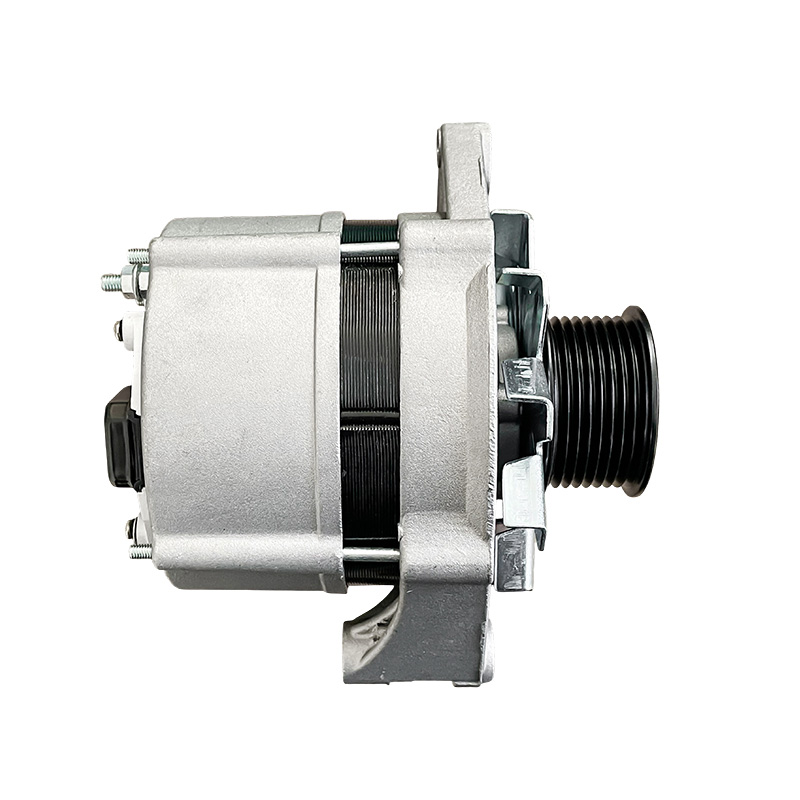
The 24V 150A Prestolite alternator has become a reference specification in the heavy-duty bus and commercial vehicle sector because it sits at the intersection of adequate output capacity, mechanical robustness, and broad platform compatibility. The Prestolite electrical architecture — developed originally for North American heavy trucks and later adapted for global coach and transit applications — uses a J180 mounting footprint, a 7/8-inch shaft diameter, and an integral solid-state regulator that has proven durable under the continuous high-load conditions characteristic of urban bus operation.
At 150 amps output on a 24-volt system, this alternator delivers 3,600 watts of continuous electrical capacity. For a fully loaded intercity coach running roof-mounted HVAC, electronic braking systems, passenger telematics, door actuator circuits, lighting, and engine management simultaneously, peak electrical demand regularly exceeds 100 amps. The 150-amp rating provides approximately 30–40% headroom above that baseline, which is sufficient to maintain battery state of charge during urban stop-start operation without requiring the engine to be held above idle.
The widespread adoption of this specification across Chinese bus manufacturers — including Yutong, Golden Dragon, and Zhongtong — means that a Prestolite-style replacement unit can be fitted by any competent workshop without custom bracket work, regulator reprogramming, or wiring modifications. This interchangeability significantly reduces both downtime and parts inventory requirements for fleet operators running mixed-model bus pools.
The 24V 150A Prestolite alternator is engineered as a direct replacement across a well-defined group of Chinese diesel engines and bus chassis. The following table summarizes the primary fitment applications and the specific demands each platform places on the charging system:
| Platform | Model | Service Type | Key Electrical Load |
|---|---|---|---|
| Yuchai Diesel Engine | YC6A / YC6G | Transit & Intercity Bus | Full bus chassis supply |
| Yutong Bus | ZK6118HG | Intercity Coach | HVAC, telematics, EBS |
| Golden Dragon Bus | XML6121E1A | Long-Distance Coach | Auxiliary power, lighting |
| Zhongtong Bus | LCK6112G | Regional Transit | Door actuators, braking |
| Thermo King | Transport Refrigeration Units | Refrigerated Transport | Continuous compressor draw |
The Yuchai YC6A and YC6G are inline six-cylinder diesel engines displacing 6.5 and 6.8 litres respectively, with accessory drive layouts that position the alternator on the driver's side of the block using a J180-compatible pad mount. Both engines are installed in hundreds of thousands of buses operating across Southeast Asia, the Middle East, Sub-Saharan Africa, and South America, making reliable alternator replacement availability a genuine fleet management priority for operators in those regions.
The Thermo King transport refrigeration application imposes a uniquely demanding load profile. Unlike bus electrical loads that fluctuate with passenger activity, a refrigeration unit compressor draws current continuously — typically 40 to 60 amps at 24 volts — throughout the entire journey regardless of engine speed. When this load is combined with full bus electrical demand, the total system draw can approach or exceed 130 amps, which means only an alternator rated at 150 amps or above can sustain the entire system load without battery assistance during extended idling.
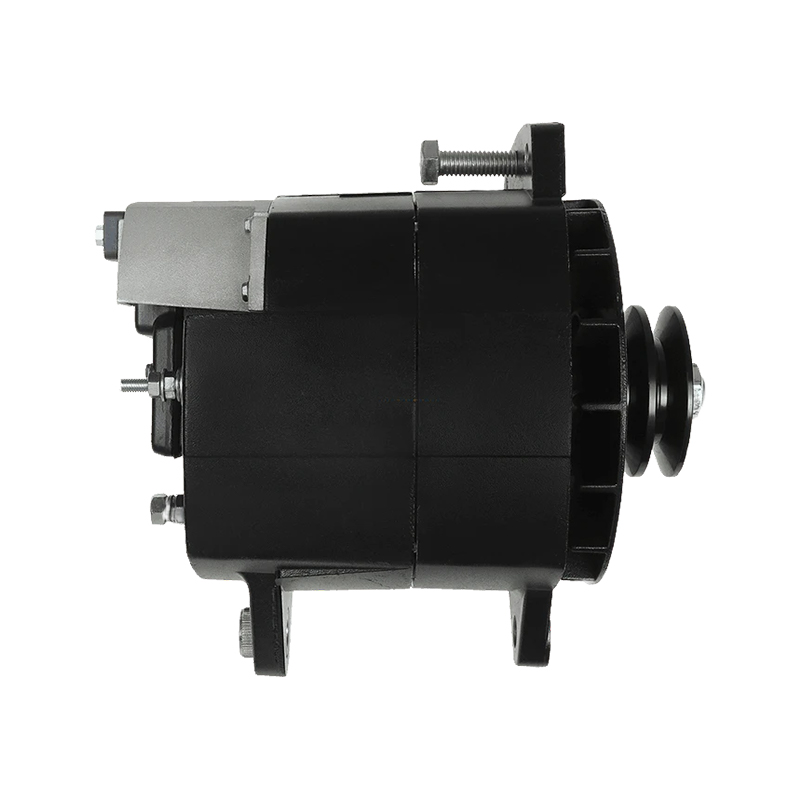
Alternator nameplate ratings are measured at shaft speeds of 6,000 RPM or above, corresponding to highway cruise conditions on a diesel engine running through a standard belt pulley ratio of approximately 2.8:1 to 3:1. At idle — typically 700 to 850 engine RPM — the alternator shaft turns at only 1,960 to 2,550 RPM, and output from a conventionally designed unit drops to 50–65% of its rated capacity. For an urban transit bus that spends 40 to 60% of its operational time in stop-start traffic at or near idle, this output reduction is not a theoretical concern but a daily operational reality.
A genuine high output alternator at idle addresses this gap through specific design features that increase flux density and reduce cut-in speed. The following characteristics distinguish a high-idle-output unit from standard alternators of the same nameplate rating:
In practice, a well-specified high output alternator at idle on a Yutong ZK6118HG or Zhongtong LCK6112G should sustain 75 to 95 amps at engine idle. This is sufficient to power air conditioning blower circuits, electronic braking controllers, door actuator solenoids, and passenger telematics simultaneously without drawing down the vehicle's battery bank — the key requirement for buses that dwell at terminal stops for 10 to 20 minutes between runs.
The requirement for alternator no voltage drop at low RPM goes beyond simply maintaining battery charge — it is a hard functional requirement imposed by the voltage sensitivity of the electronic systems that modern Chinese buses carry as standard equipment. A 24-volt nominal system that sags to 22 or 21 volts under load at idle creates fault conditions in multiple subsystems simultaneously, generating diagnostic trouble codes, triggering warning lamps, and in some cases causing temporary system shutdowns that require driver intervention.
The following bus subsystems are directly affected by supply voltage instability during low-speed or idle operation, and represent the primary reason fleet operators prioritize alternator low-RPM performance in their replacement specifications:
The integral regulator in a Prestolite-style 24V 150A Prestolite alternator maintains output voltage stability through two mechanisms that are particularly effective at low shaft speeds. Internal voltage sense — where the regulator monitors terminal voltage at the alternator output stud rather than at a remote battery location — eliminates cable resistance as a variable in voltage regulation, ensuring that the voltage delivered to the bus electrical system remains within the 27.0 to 28.4V charging range (standard for a 24V lead-acid system) regardless of cable length or connection resistance. The second mechanism is field current pre-excitation: the regulator begins ramping up rotor field current before shaft speed has reached the full-output threshold, so that output voltage rises smoothly as RPM increases rather than stepping up abruptly when the alternator crosses its cut-in speed.
Together, these design choices ensure alternator no voltage drop at low RPM under the real-world load conditions of a Chinese intercity or transit bus: engine idle after a terminal stop, low-speed urban crawl with full passenger complement and active HVAC, and extended engine-on stationary operation during driver rest periods. For fleet operators running Yutong, Golden Dragon, or Zhongtong vehicles on demanding schedules, selecting a replacement alternator that meets this low-RPM voltage stability standard is the single most effective way to reduce electrical fault callbacks and extend battery service life across the fleet.
Recommended Products
For Exclusive Offers And The Latest Deals, Feel Free To Contact Us!
We will unswervingly implement the tenet of "quality first, customer first, strict management, and creating a famous brand". Professional OEM/ODM Automotive Alternator Manufacturers and Heavy-Duty Truck Alternators Suppliers in China.
Product
Contact Info.
+86-180 5150 2183
+86-0510-83880396
No. 11 QiBei Road, Yuqi Town, Wuxi City, Jiangsu Province, China
 OEM Alternator Supplier Custom Automotive Alternator Truck Alternators Supplier
 English
 Español
 عربى
عربى