English

Need Help Now? Call Us!
+86-0510-83880396
Our team proudly offers an on-time guarantee and a 100% customer satisfaction guarantee.
Contact Online


 2026.04.21
 Industry News
Content
The alternator is the heartbeat of a vehicle's electrical system. While the battery provides the initial current to start the engine, it's the alternator that takes over from there — converting mechanical energy from the engine into the alternating current (AC) that the rectifier then transforms into direct current (DC) to power everything from the ignition system to the headlights, climate controls, and onboard sensors. Without a functioning alternator, even a fully charged battery will drain within minutes of the engine running.
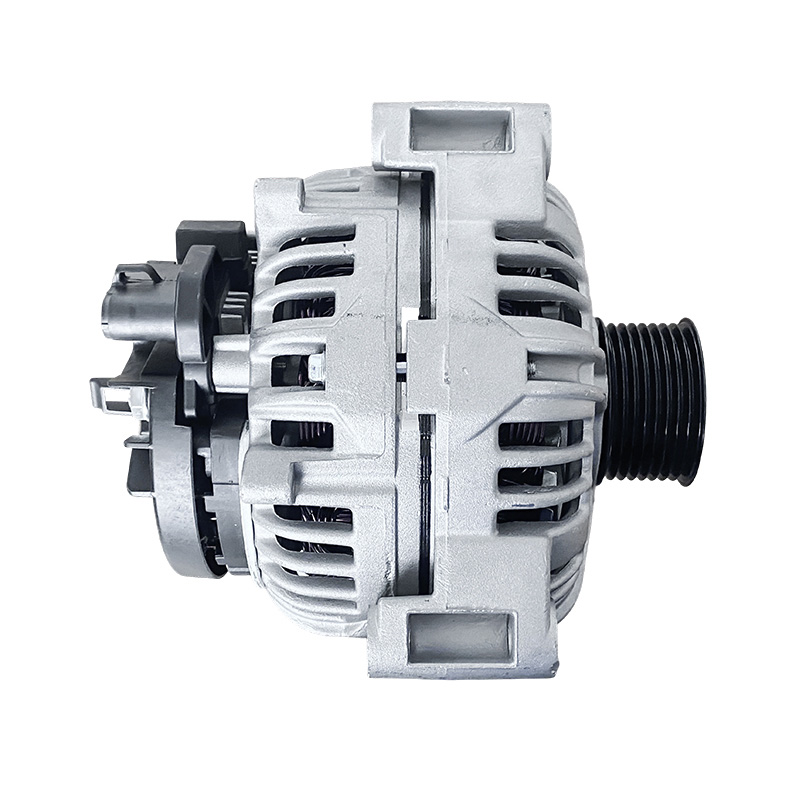
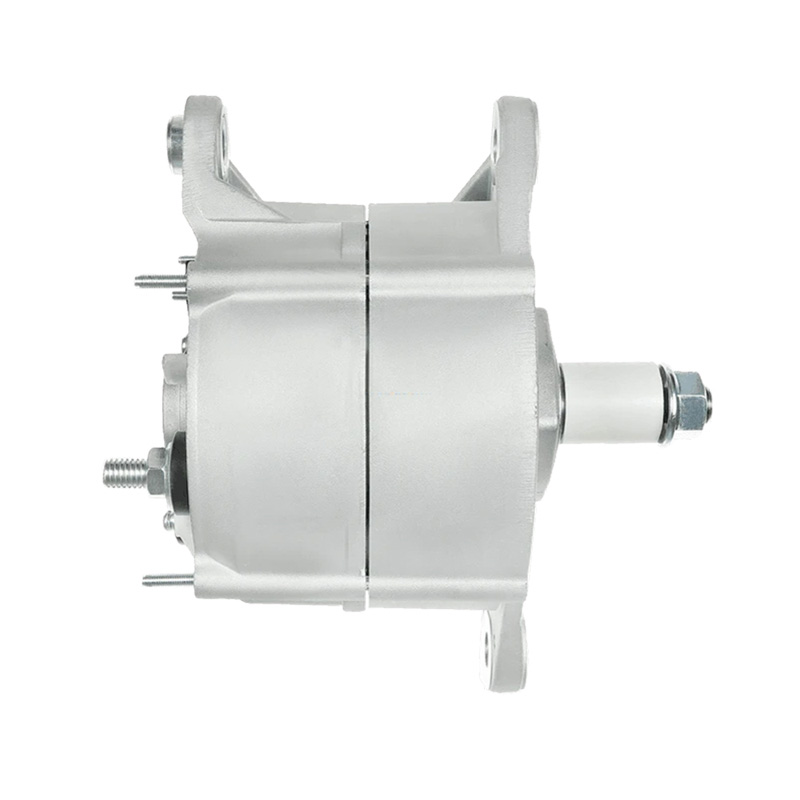
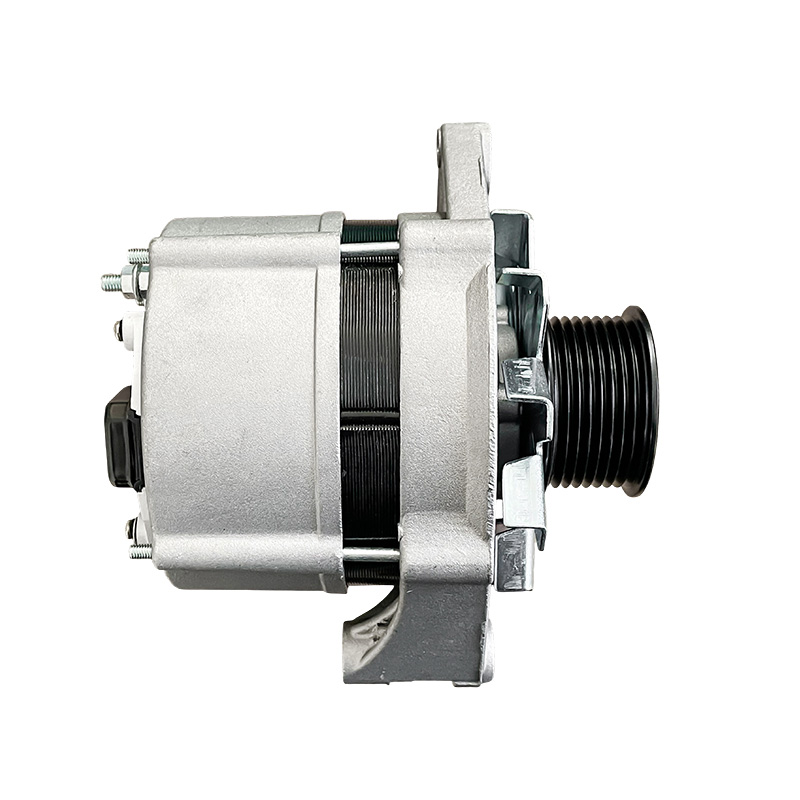
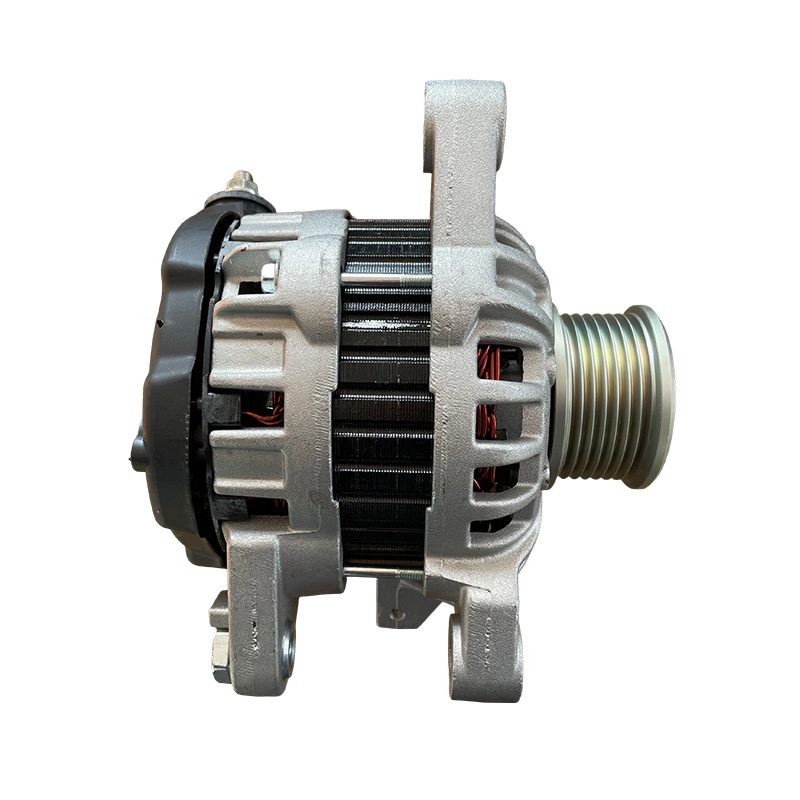
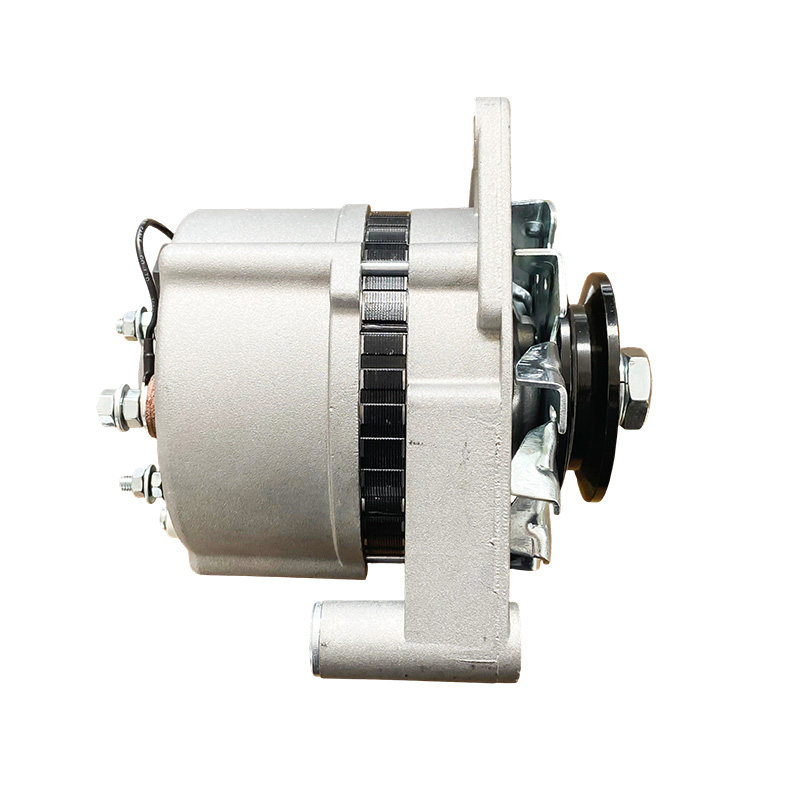
The 12V 55A 1PK Lucas alternator is a purpose-built replacement unit designed to restore and maintain this critical function. Operating at 12 volts with a 55-amp output, it delivers consistent electrical supply across the vehicle's entire load — enough to support standard factory-fitted systems without straining the unit. The single-groove pulley (1PK) connects to the engine's drive belt system, converting rotational force into usable electrical energy efficiently and without excessive belt wear.
This particular alternator is manufactured by SANYOU using 100% brand-new components — not remanufactured or reconditioned parts. That distinction matters in practical terms: new windings, new bearings, and a new rectifier assembly all contribute to a longer service life and more predictable performance from the moment of installation.
Understanding the specification sheet before purchasing a replacement alternator prevents costly compatibility errors and ensures the unit will perform as expected once installed. The key figures for this Lucas alternator are straightforward, but each one carries practical implications for how the unit will integrate with the target vehicle.
| Specification | Detail | Practical Meaning |
|---|---|---|
| Output Voltage | 12V | Standard for the vast majority of passenger cars and light commercial vehicles |
| Output Current | 55A | Adequate for vehicles with moderate electrical loads — standard lighting, ignition, HVAC, and basic electronics |
| Pulley Type | 1PK (single groove) | Matches vehicles with a single poly-V belt drive configuration |
| Lucas Reference | L21205 / 66021205 | Use these numbers to cross-reference against your vehicle's parts catalogue or existing unit |
| Manufacturer | SANYOU | 100% new components throughout — no remanufactured core parts |
| Build Standard | OE specification | Meets or exceeds original factory output and dimensional requirements |
The 55A output rating is a sustained figure — the maximum continuous current the unit can deliver under load at normal operating temperature. This is the number that determines whether the alternator can handle the vehicle's combined electrical demand. For vehicles with factory-standard electrics, 55 amps provides comfortable headroom. For vehicles with aftermarket additions such as high-draw audio systems, winches, or additional lighting, a higher-output unit may be worth considering before purchasing.
Cross-referencing by Lucas part number is the most reliable method of confirming compatibility. The references L21205 and 66021205 are the primary identifiers for this unit, and searching either number against a parts catalogue or fitment database will return the list of vehicles and model years this alternator was originally fitted to. If you have access to the existing alternator, these numbers are typically stamped or printed on a label on the unit's body.
If the original unit is already removed or the label is damaged, use the following approach to verify fitment:
When in doubt, contact the supplier with your vehicle's VIN or registration number. Most reputable parts suppliers can run a fitment check against this information and confirm before you commit to a purchase. Installing an alternator on an incompatible mounting or with a mismatched connector can cause wiring damage and will not charge the battery correctly.
Alternator failure rarely happens without warning. The electrical system typically shows signs of stress well before the unit stops working entirely, and catching these early gives you the opportunity to replace the alternator before a breakdown occurs. The symptoms below are the most common indicators that the lucas alternator on your vehicle is approaching end of service life.
The battery warning light on the dashboard is the most direct signal of an alternator problem. Despite being labelled as a battery warning, this light is triggered by low voltage from the charging circuit — meaning it activates when the alternator fails to maintain the system above its regulated threshold, typically around 13.5–14.5V. A multimeter connected across the battery terminals with the engine running should read within this range; anything consistently below 13V points to insufficient alternator output.
Dimming headlights — particularly when idling or when additional loads like the rear window heater or fan are switched on — indicate that the alternator is struggling to meet demand. Similarly, slow or unresponsive electric windows, intermittent operation of dashboard instruments, or unexplained drain on the battery overnight can all be traced back to a failing charging unit. These symptoms become progressively worse as alternator output degrades further.
A worn alternator bearing produces a grinding or whining noise that changes pitch with engine speed — distinct from belt squeal, which tends to be a constant high-pitched sound at startup. In advanced cases of bearing wear, the noise may become a consistent metallic grinding. A burning smell from the engine bay, especially if it follows a history of electrical problems, may indicate overheating windings inside the alternator body itself.
Replacing a 12v 55a 1pk lucas alternator is a straightforward job for anyone comfortable working under the bonnet, but a few procedural points determine whether the installation goes smoothly and whether the new unit performs correctly from the start.
Before beginning, disconnect the negative terminal of the battery. This step eliminates the risk of short circuits during removal and installation — alternator output terminals carry live voltage whenever the battery is connected, even with the engine off. Work on a cool engine where possible to avoid burns from engine components.
During removal of the old unit, take note of exactly how the drive belt is routed before releasing tension. A photo taken before disassembly avoids confusion when refitting the belt on the new unit. The single-groove pulley on the 1PK alternator has a specific belt contact path — installing the belt off-centre or with incorrect tension will cause premature wear on both the belt and the new pulley bearing.
Once the new alternator is bolted into position, check that all mounting fasteners are torqued to the vehicle manufacturer's specification — under-torqued bolts allow the unit to shift under load, creating vibration that accelerates internal wear. Connect the wiring harness plug first, then the main output terminal, then reconnect the battery negative last.
After installation, start the engine and measure voltage at the battery terminals with a multimeter. A correctly functioning 12V alternator should produce between 13.8V and 14.4V at idle with no additional electrical loads switched on. Switch on the headlights and heater blower and check that the voltage remains above 13.5V — if it drops below this under load, recheck all electrical connections before concluding there is a fault with the new unit.
The alternator market contains a wide range of products at significantly different price points, and the difference is almost entirely in the components used and the tolerances to which they are assembled. Remanufactured units — rebuilt from used cores — are widely available and often cheaper, but their service life is directly tied to the quality of the core they started with and the components used to rebuild them. A remanufactured unit built on a core with worn housings or marginally acceptable rotor magnetism will underperform relative to its rated specification within a short time of installation.
This Lucas alternator is built by SANYOU entirely from new components. New stator windings eliminate the risk of insulation breakdown from previous heat cycling. New rotor bearings start with full rated load capacity rather than partially consumed service life. A new rectifier diode pack operates at its designed efficiency from day one. Together, these factors mean the unit's performance on installation day is the same as its performance three years later under normal operating conditions.
Meeting or exceeding OE specifications is not a marketing phrase in this context — it means the unit has been validated against the original Lucas engineering parameters for output voltage, current delivery, thermal performance, and mechanical mounting dimensions. A unit that falls short of OE specification on any of these parameters will create problems: insufficient charging voltage stresses the battery, incorrect mounting dimensions create vibration, and marginal thermal performance shortens component life in hot engine bays.
For vehicles where reliability is non-negotiable — daily drivers, commercial vehicles, or any application where an unplanned breakdown carries significant cost — selecting a new-build unit over a remanufactured one is the lower-risk decision. The lucas alternator replacement covered here delivers exactly that: a new, fully specified unit that restores the charging system to factory standard without the uncertainty that comes with rebuilt components of unknown prior service history.
Recommended Products
For Exclusive Offers And The Latest Deals, Feel Free To Contact Us!
We will unswervingly implement the tenet of "quality first, customer first, strict management, and creating a famous brand". Professional OEM/ODM Automotive Alternator Manufacturers and Heavy-Duty Truck Alternators Suppliers in China.
Product
Contact Info.
+86-180 5150 2183
+86-0510-83880396
No. 11 QiBei Road, Yuqi Town, Wuxi City, Jiangsu Province, China
 OEM Alternator Supplier Custom Automotive Alternator Truck Alternators Supplier
 English
 Español
 عربى
عربى