English

Need Help Now? Call Us!
+86-0510-83880396
Our team proudly offers an on-time guarantee and a 100% customer satisfaction guarantee.
Contact Online


 2026.04.14
 Industry News
Content
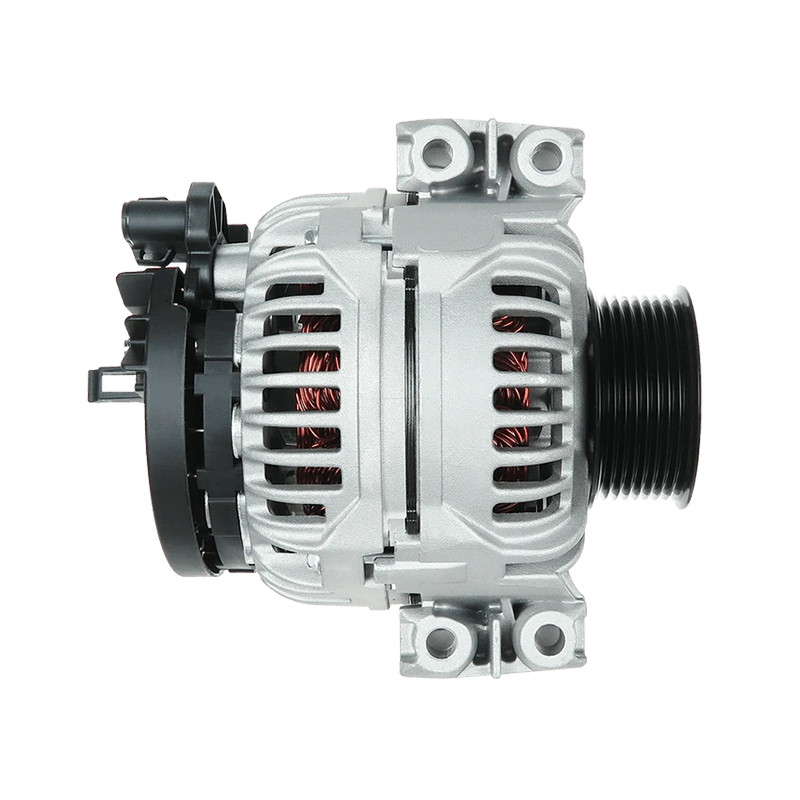
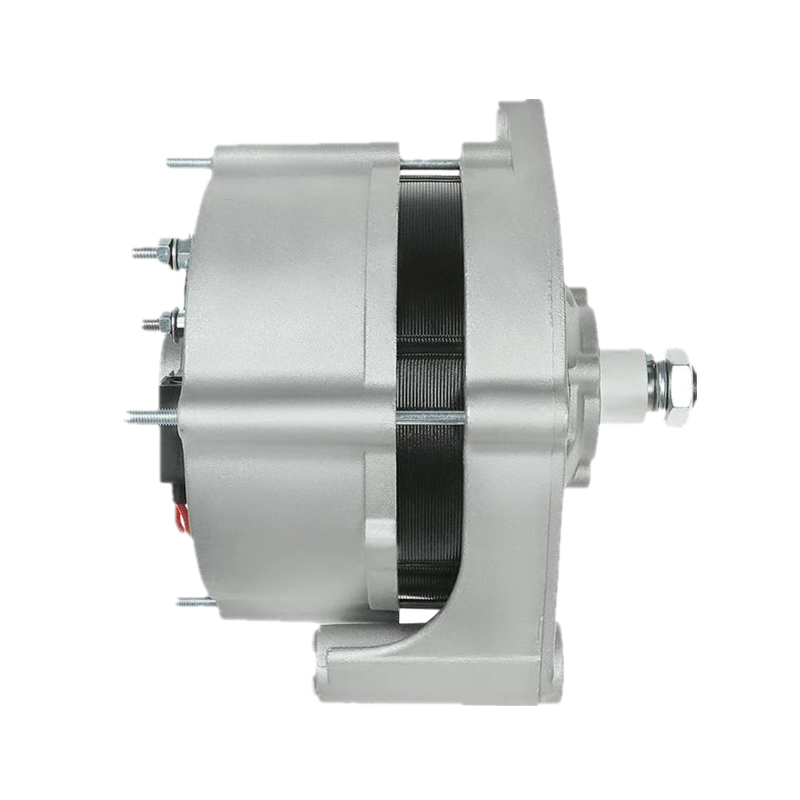
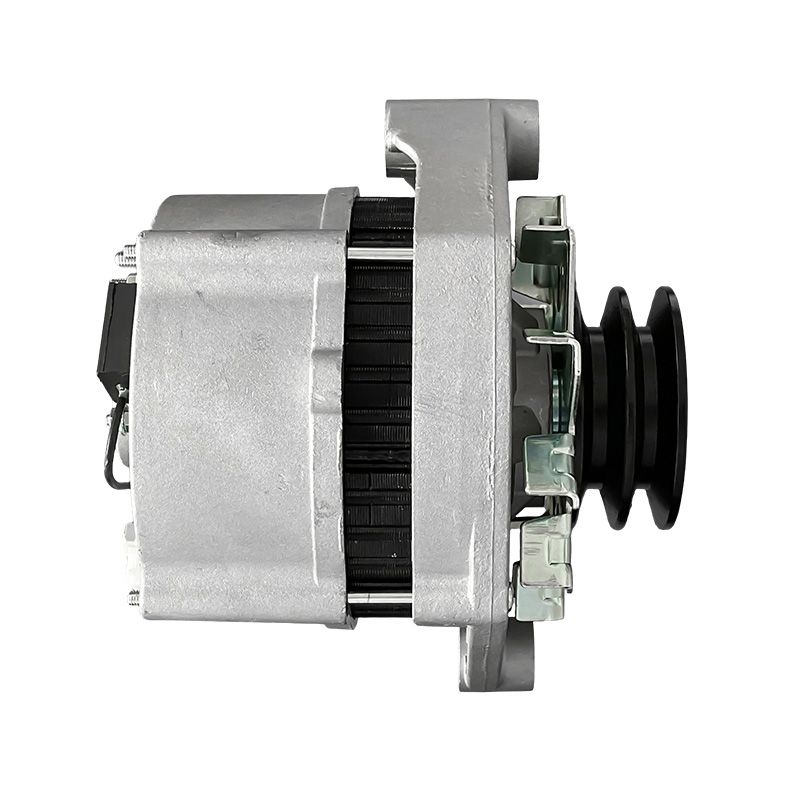
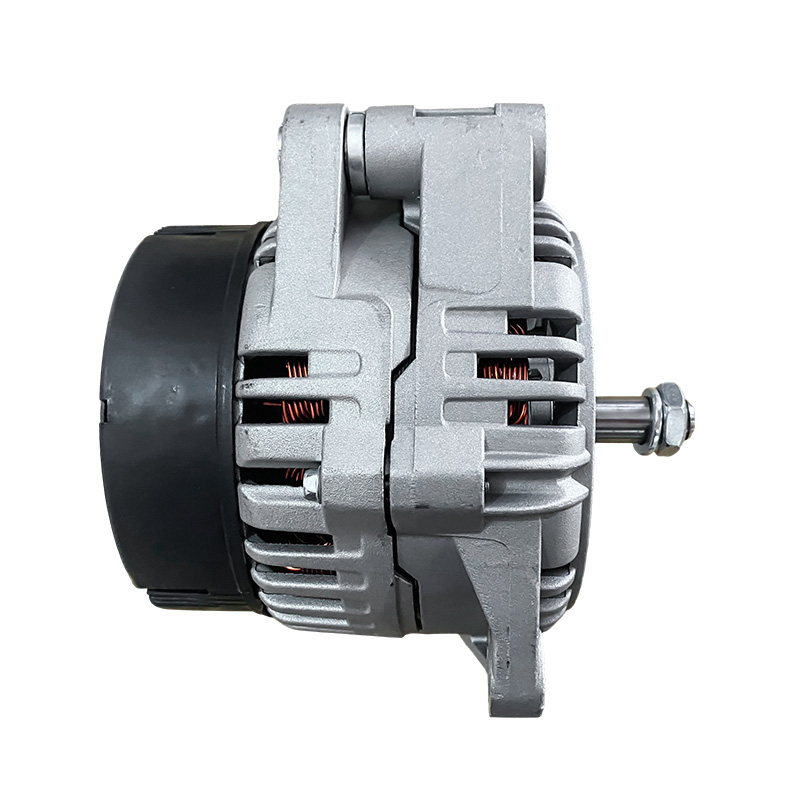
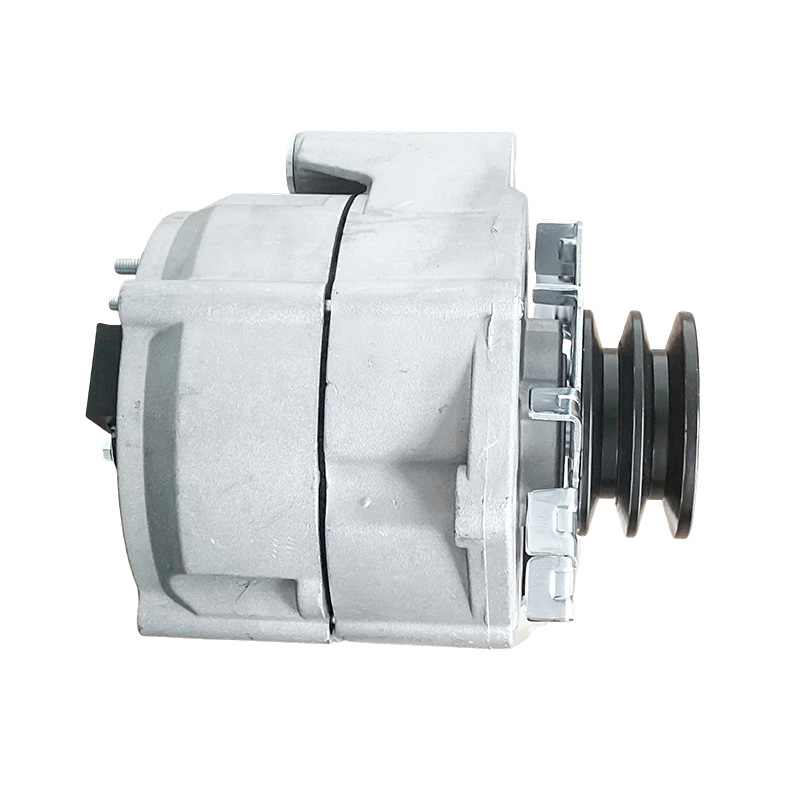
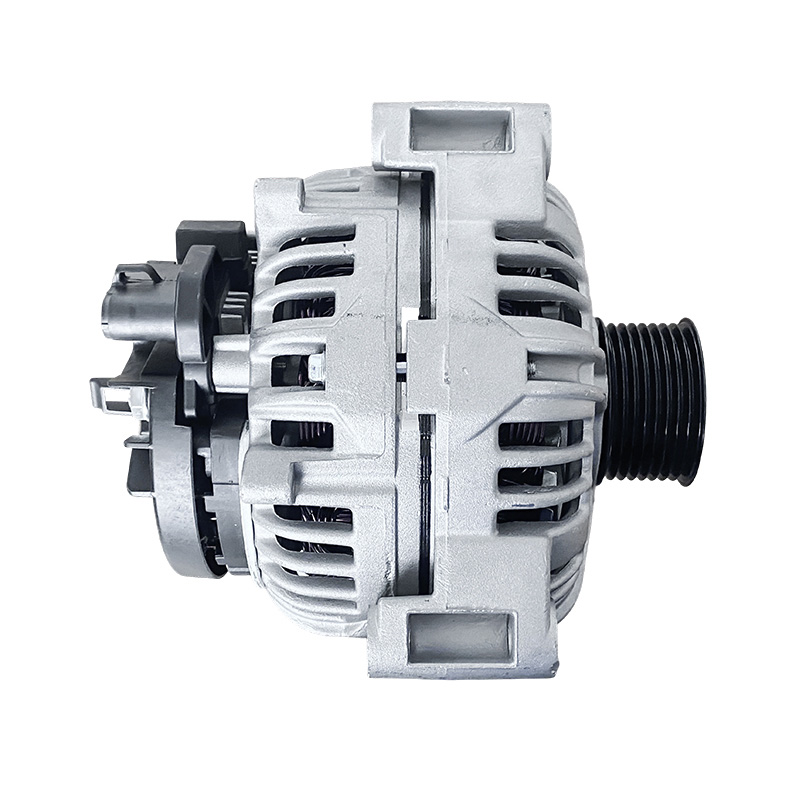
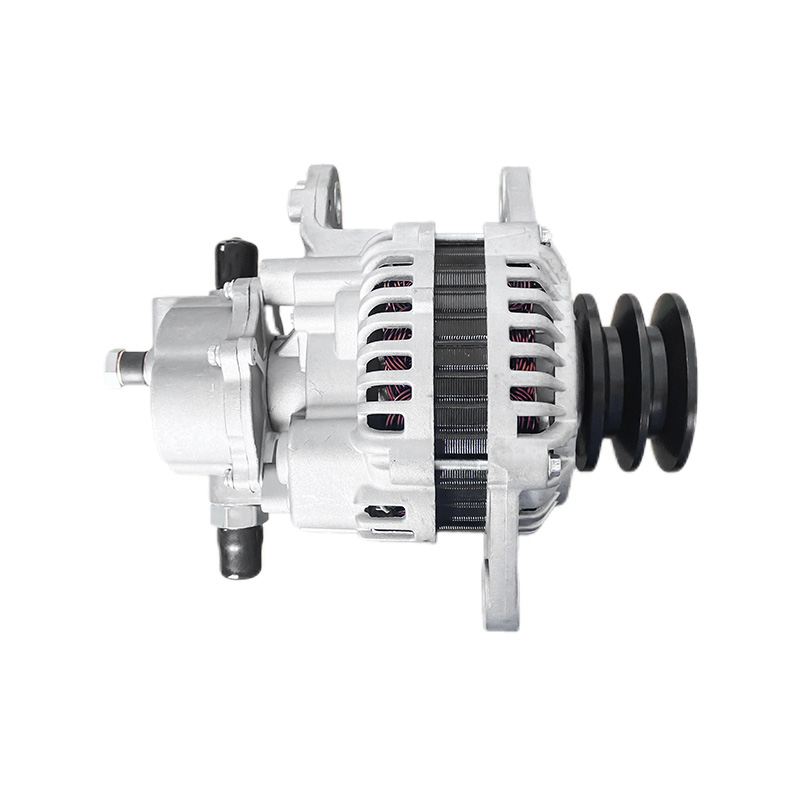
The alternator is one of the most operationally critical components in any Mitsubishi vehicle or engine-powered machine. While the battery provides the initial electrical energy needed to start the engine, it is the alternator that takes over from that point forward — converting mechanical energy from the rotating engine crankshaft into alternating current, which is then rectified into direct current to recharge the battery and power every electrical system in the vehicle simultaneously. Without a properly functioning Mitsubishi alternator, the battery depletes within minutes of engine startup, and every electrical system — from the ignition coils and fuel injectors to the dashboard, lighting, and climate controls — begins to fail in sequence.
Mitsubishi alternators are widely used in passenger vehicles, light commercial models, construction machinery, and industrial engines. Across all of these applications, the fundamental operating requirement is the same: steady, reliable charging output under varying load conditions. A passenger sedan idling in traffic places very different electrical demands on the alternator than a Mitsubishi-powered construction excavator running hydraulic systems and electronic controls simultaneously. Understanding how the alternator serves these diverse applications — and recognizing early when it begins to fail — is essential knowledge for any vehicle owner, fleet manager, or equipment operator relying on Mitsubishi-powered machinery.
Recognizing the signs Mitsubishi needs alternator repair early can prevent a minor electrical issue from escalating into a complete charging system failure — and the breakdown or extended downtime that follows. Alternator degradation is rarely sudden; it typically develops progressively, with symptoms that become more pronounced as the unit's output capacity continues to deteriorate. Knowing what to look for allows you to act before the system fails completely.
One of the earliest and most recognizable signs that a Mitsubishi alternator repair is needed is a change in headlight behavior. When the alternator can no longer maintain sufficient output voltage to keep the battery fully charged, the headlights — which draw significant current — begin to dim at idle and may flicker as the alternator output fluctuates. A particularly telling indicator is headlights that brighten noticeably when you rev the engine: this confirms that the alternator is still producing some current, but cannot sustain adequate output at low RPM when charging demand is highest relative to mechanical input.
Because every electrical accessory in the vehicle draws current from the battery that the alternator is responsible for replenishing, a weakening alternator affects all electrical systems simultaneously. Power windows that operate more slowly than usual, a radio that cuts in and out, air conditioning that loses performance, and heated seats that fail to reach temperature are all consistent with insufficient alternator output. When multiple accessories malfunction at the same time — particularly with the engine running — the charging system rather than any individual component is the most likely cause.
A failing Mitsubishi alternator gradually drains the battery by failing to replenish the charge consumed during vehicle operation. The result is a battery that appears fully discharged by the next morning, even though it tested healthy the day before. The critical diagnostic test is this: jump-start the vehicle and observe what happens. If the engine runs normally after being jump-started, the alternator is likely functioning and the battery itself may be faulty. However, if the engine stalls again shortly after the jump-start, the alternator is not generating sufficient voltage to sustain operation, and alternator repair or replacement is necessary.
Mechanical wear within the alternator assembly produces characteristic sounds that experienced technicians recognize immediately. A whining or grinding noise emanating from the alternator area — particularly one that changes pitch with engine RPM — typically indicates worn rotor bearings inside the alternator housing. A squealing sound may point to a misaligned or slipping alternator belt that is failing to transfer mechanical input to the alternator pulley efficiently. Either noise type warrants immediate inspection, as continued operation with worn bearings can cause the alternator to seize, while a slipping belt accelerates wear on both the belt and the pulley system.
Modern Mitsubishi vehicles and engines equipped with electronic monitoring systems will illuminate the battery warning light on the instrument panel when the charging system voltage falls outside the acceptable operating range — typically below 12.5 volts or above 15.5 volts. While this light can indicate a battery fault, a wiring issue, or a blown fuse, its appearance alongside any of the symptoms described above significantly raises the probability that the Mitsubishi alternator is the root cause and requires professional diagnostic attention and repair.
When a failing Mitsubishi alternator is confirmed, the decision between repair and full replacement depends on the nature of the fault, the age and operating hours of the unit, and the application it serves. Some alternator faults — such as worn brush sets, a failed rectifier diode pack, or a degraded voltage regulator — are component-level failures that can be corrected through targeted repair without replacing the entire unit. However, alternators with worn rotor bearings, damaged stator windings, or corroded internal connections typically warrant full replacement, as partial repairs on structurally compromised units rarely deliver the service life of a new or fully rebuilt alternative.
For heavy-duty applications — construction machinery, agricultural equipment, and industrial engines using Mitsubishi alternators — replacement is generally the more reliable path. The operating environment in these applications is significantly more demanding than passenger vehicle use, and the cost of a repeat failure — including unplanned downtime, secondary damage to the electrical system, and labor costs — typically exceeds the price difference between a targeted repair and a complete OE-specification replacement unit.
Products built to correspond to Mitsubishi OE specifications are constructed with new components and stable output characteristics, designed to match the electrical configuration and mechanical structure of the original unit in every relevant dimension. This specification alignment is not merely a marketing claim — it has measurable consequences for alternator longevity and system reliability. An alternator that does not match the original voltage regulator calibration, output amperage curve, or mounting geometry introduces stresses into the electrical system and mechanical drive train that the vehicle or machine was not engineered to accommodate.
The contrast with aftermarket alternators built to generic specifications is significant. Generic units may appear dimensionally compatible but frequently use lower-grade internal components — particularly the rotor bearings, rectifier diodes, and brush assemblies — that fail prematurely under the thermal and mechanical loads of real-world operation. Repeated alternator failures in the same vehicle are a well-documented consequence of fitting non-OE-specification replacements, creating a cycle of recurring repair costs that quickly exceeds the price premium of a properly specified unit.
The breadth of equipment served by Mitsubishi alternators underscores why specification accuracy is so important when selecting a replacement. The following table outlines the primary application categories and the specific operating demands each places on the alternator:
| Application Category | Typical Models / Equipment | Key Alternator Demands |
| Passenger Vehicles | Mirage, Outlander, Eclipse Cross, Galant | Consistent low-to-mid RPM output, compact fit |
| Light Commercial Vehicles | Canter trucks, L-series vans | Higher amperage capacity, extended duty cycles |
| Construction Machinery | Excavators, wheel loaders, forklifts | High vibration tolerance, wide RPM operating range |
| Industrial Engines | Stationary power units, generator sets | Continuous-duty output stability, thermal resilience |
| Agricultural Equipment | Tractors and field machinery with Mitsubishi engines | Dust and moisture resistance, long service intervals |
Selecting the correct replacement for alternator repair Mitsubishi applications requires matching several key parameters to the original unit's specification. Using an incorrect alternator — even one that physically fits the mounting points — can result in overcharging, undercharging, or premature component failure caused by incompatible voltage regulation or output capacity. The following criteria should guide the selection process:
For equipment operators and fleet managers dealing with recurring alternator repair Mitsubishi issues, investing in OE-specification replacement units from a verified supplier — rather than the lowest-cost available option — consistently delivers a lower total cost of ownership over the full service life of the vehicle or machine. A dependable power supply and durable operating performance in daily or heavy-duty use are the defining measures of a successful alternator replacement, and they are only reliably achievable when the replacement unit is built to match the original Mitsubishi specification in every critical dimension.
Recommended Products
For Exclusive Offers And The Latest Deals, Feel Free To Contact Us!
We will unswervingly implement the tenet of "quality first, customer first, strict management, and creating a famous brand". Professional OEM/ODM Automotive Alternator Manufacturers and Heavy-Duty Truck Alternators Suppliers in China.
Product
Contact Info.
+86-180 5150 2183
+86-0510-83880396
No. 11 QiBei Road, Yuqi Town, Wuxi City, Jiangsu Province, China
 OEM Alternator Supplier Custom Automotive Alternator Truck Alternators Supplier
 English
 Español
 عربى
عربى