English

Need Help Now? Call Us!
+86-0510-83880396
Our team proudly offers an on-time guarantee and a 100% customer satisfaction guarantee.
Contact Online


 2026.04.07
 Industry News
Content
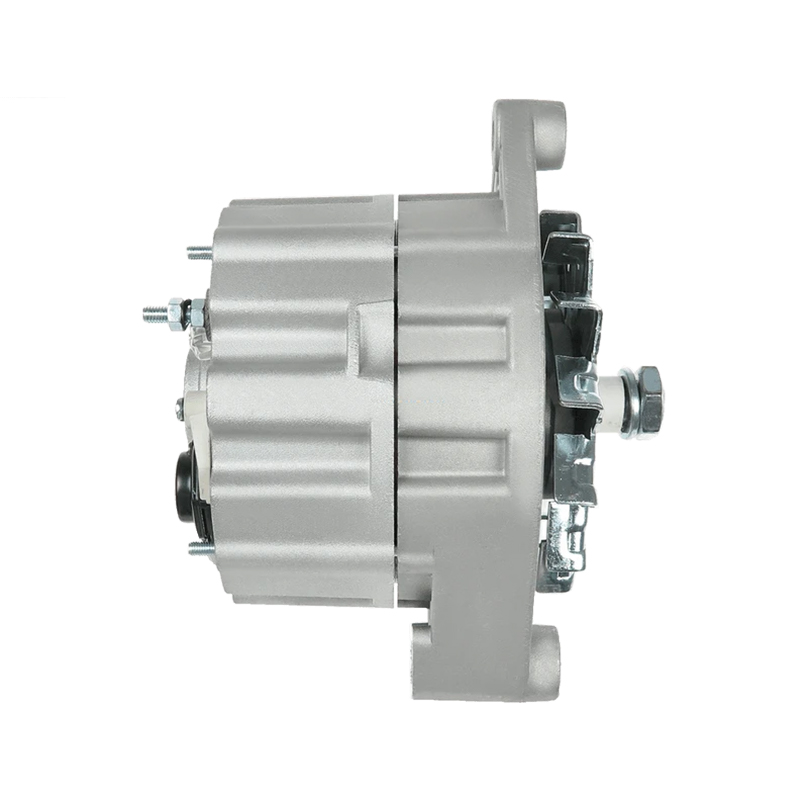
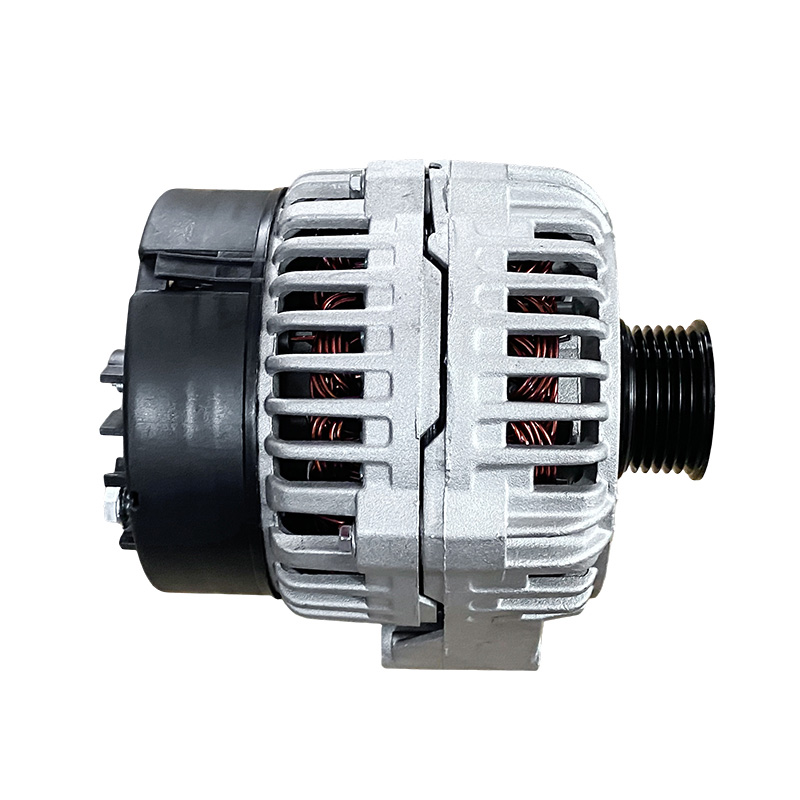
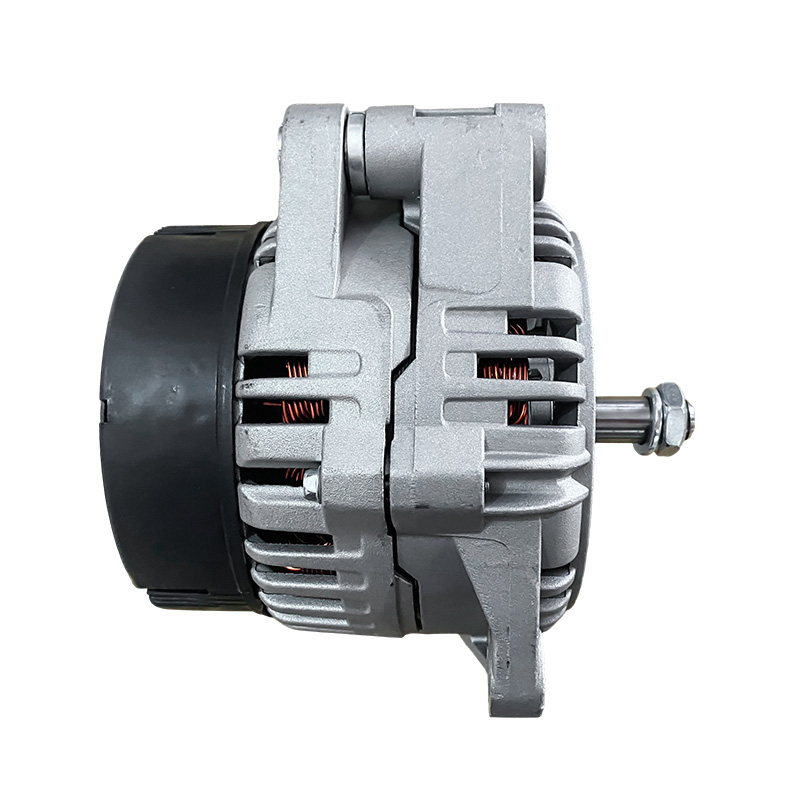
The Delco Remy alternator has earned its reputation across decades of use in some of the most demanding automotive and industrial environments in the world. Originally developed to meet the exacting power demands of General Motors vehicles, the brand has expanded its reach far beyond passenger cars to cover commercial trucks, agricultural equipment, construction machinery, and marine applications. What sets these alternators apart is not just brand heritage — it is a consistent engineering philosophy built around robust construction, precise manufacturing tolerances, and rigorous durability testing.
At the core of every Delco Remy alternator is a design optimized for stable voltage output under variable load conditions. Modern vehicles and heavy equipment place increasingly complex demands on their electrical systems — powering advanced telematics, hydraulic controls, lighting arrays, refrigeration units, and auxiliary power systems simultaneously. A mediocre alternator will struggle to maintain consistent output under these conditions, causing voltage fluctuations that degrade sensitive electronics over time. Delco Remy units are engineered specifically to avoid this problem, maintaining tight voltage regulation from idle speed through full engine load.
The brand's production process involves precision winding of stator coils, balanced rotor assemblies, and high-grade rectifier diodes — all assembled and tested to meet or exceed original OEM factory standards. This level of manufacturing discipline translates directly into longer service life, reduced maintenance intervals, and lower total cost of ownership compared to generic aftermarket alternatives.
One of the most practically significant strengths of the Delco Remy alternator lineup is its breadth of compatibility. The product range spans an exceptionally wide set of platforms, making it a go-to choice for fleet managers, independent workshops, and OEM service departments that need to stock reliable replacements without sourcing from multiple suppliers.
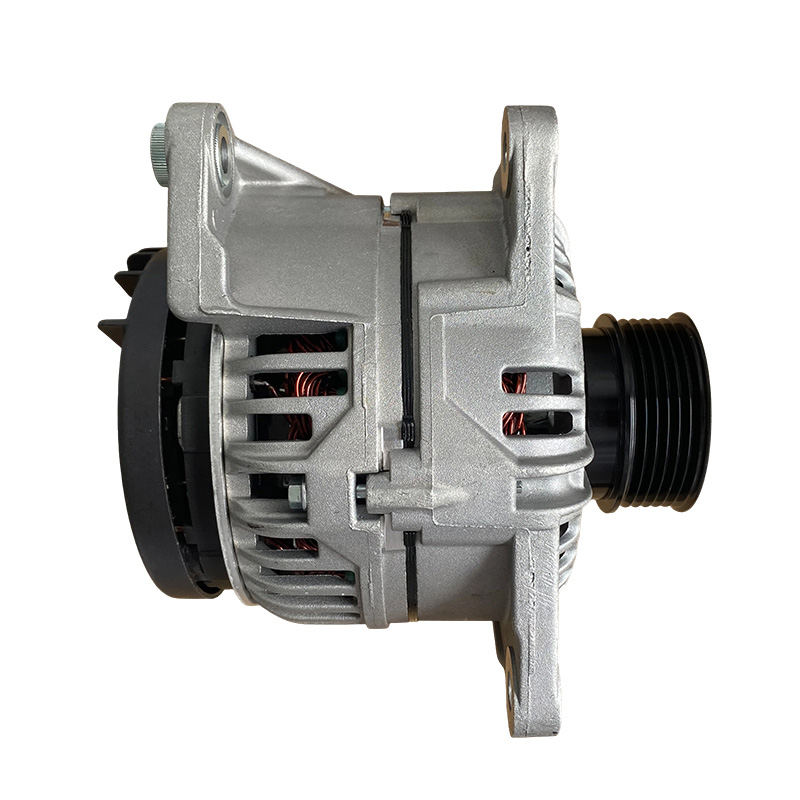
For cars and light-duty trucks, Delco Remy alternators are available in output ratings typically ranging from 105A to 160A, covering most domestic and import platforms where OEM or equivalent replacements are required. These units are engineered for direct bolt-on fitment, preserving original wiring harness connections and mounting geometry to simplify installation and reduce labor time.
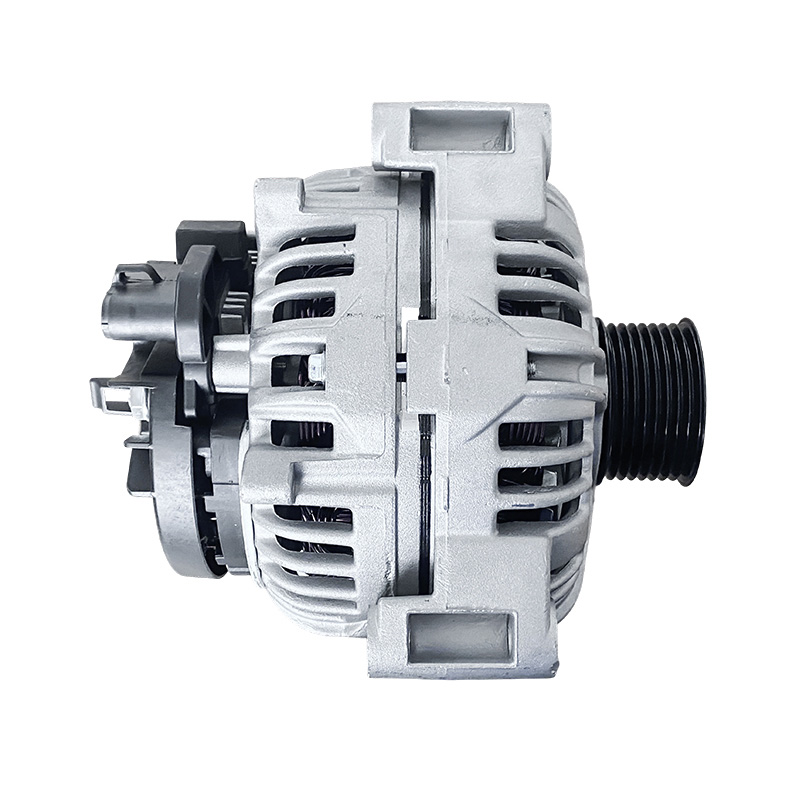
Heavy-duty Class 6–8 trucks operated by logistics and freight companies place particularly high demands on charging systems. Extended idle periods, cold-weather starting loads, and the continuous operation of cab comfort systems all draw significant current. Delco Remy's heavy-duty alternator series addresses these needs with output ratings from 160A to over 300A, featuring reinforced bearings, enhanced thermal management, and moisture-resistant housings designed for long-haul duty cycles.
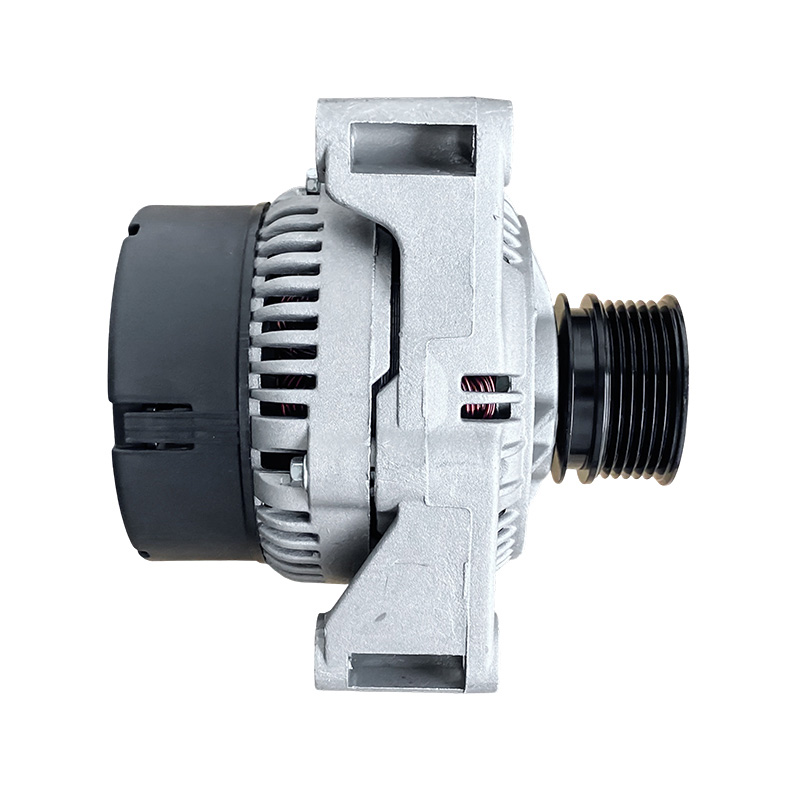
Construction, mining, and agricultural machinery operate in environments that would destroy standard automotive alternators within weeks — extreme dust, vibration, temperature swings, and continuous high-load operation. Delco Remy's industrial-grade alternators are built with this context in mind, incorporating sealed bearing systems, vibration-dampened mounting provisions, and IP-rated enclosures where required. Their compatibility with multiple OEM specifications means they integrate cleanly with Caterpillar, John Deere, Komatsu, and other major equipment platforms.
Understanding the internal design of a Delco Remy alternator helps explain why it consistently outperforms lower-cost alternatives in real-world service conditions. Several specific engineering choices contribute directly to its dependable performance and long service life.
Selecting the right output rating is as important as selecting the right brand. Undersized alternators will struggle to keep pace with electrical demand, chronically undercharging the battery and shortening its life. Oversized units waste engine power and increase belt wear unnecessarily. The table below outlines the primary output classes and their typical applications:
| Output Rating | Typical Platform | Key Demand Drivers |
|---|---|---|
| 105A – 130A | Passenger cars, light SUVs | HVAC, infotainment, lighting |
| 140A – 160A | Light-duty trucks, vans | Upfitted accessories, towing electronics |
| 160A – 240A | Medium-duty trucks, Class 5–6 | Liftgates, refrigeration, body controls |
| 240A – 320A+ | Class 7–8 trucks, off-highway | Hydraulics, multiple battery banks, APUs |
When calculating the correct output rating, technicians should total all continuous electrical loads — not just the base vehicle specification — and select an alternator capable of meeting that demand at typical idle RPM, which is the most challenging operating point for any charging system.
Even the most durable alternators have finite service lives. Recognizing the early warning signs of alternator degradation allows fleet operators and vehicle owners to schedule replacement proactively — before a roadside breakdown or equipment shutdown causes more costly consequences.
When any of these symptoms appear, replacing with a genuine Delco Remy alternator is the most reliable path to restoring full electrical system integrity. Substituting with an unknown-brand remanufactured unit may appear cost-effective initially, but inconsistent quality control in lower-tier remanufacturing often results in repeat failures within 12–18 months.
A correctly specified Delco Remy alternator installed with proper technique will deliver reliable performance across hundreds of thousands of operating hours in many heavy-duty applications. The following installation practices are essential to achieving that outcome:
For professionals and equipment owners committed to vehicle reliability and operational continuity, the Delco Remy alternator represents a clear choice — combining OEM-grade engineering, broad platform compatibility, and proven durability into a replacement unit that restores electrical system confidence from the moment it is installed.
Recommended Products
For Exclusive Offers And The Latest Deals, Feel Free To Contact Us!
We will unswervingly implement the tenet of "quality first, customer first, strict management, and creating a famous brand". Professional OEM/ODM Automotive Alternator Manufacturers and Heavy-Duty Truck Alternators Suppliers in China.
Product
Contact Info.
+86-180 5150 2183
+86-0510-83880396
No. 11 QiBei Road, Yuqi Town, Wuxi City, Jiangsu Province, China
 OEM Alternator Supplier Custom Automotive Alternator Truck Alternators Supplier
 English
 Español
 عربى
عربى