English

Need Help Now? Call Us!
+86-0510-83880396
Our team proudly offers an on-time guarantee and a 100% customer satisfaction guarantee.
Contact Online


 2026.04.02
 Industry News
Content
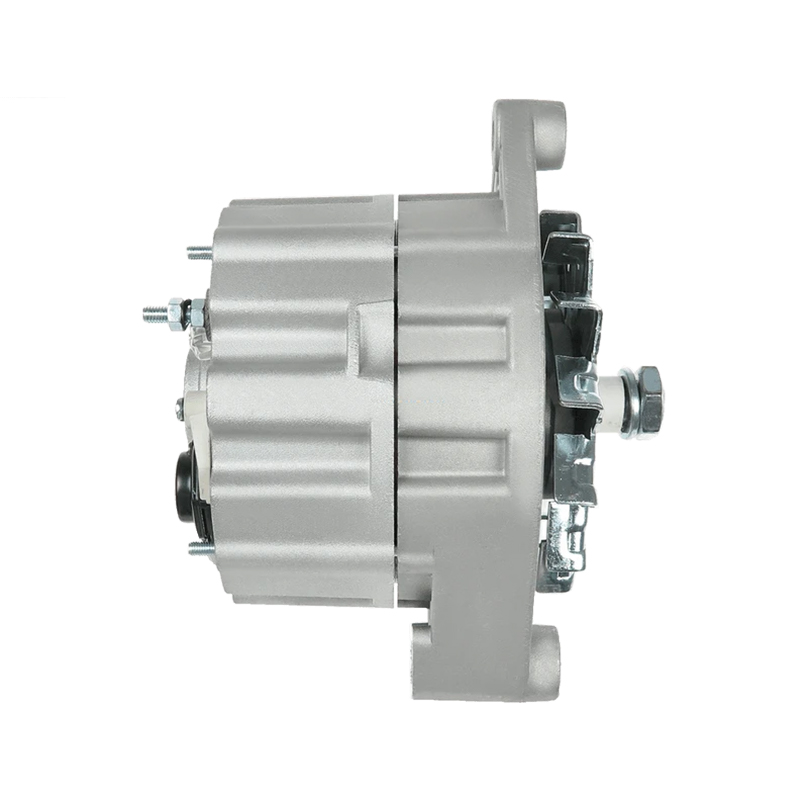
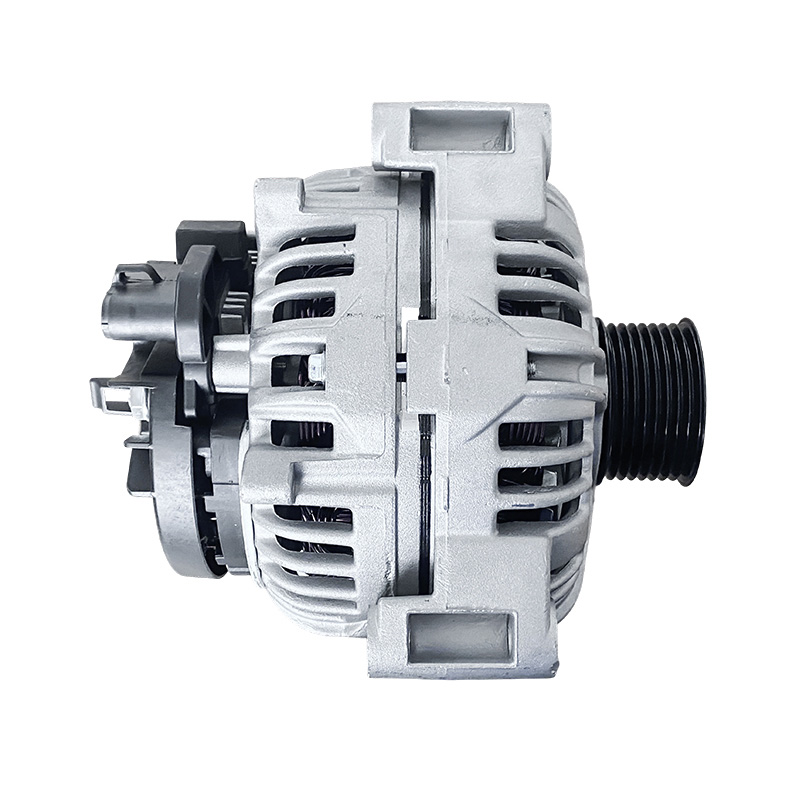
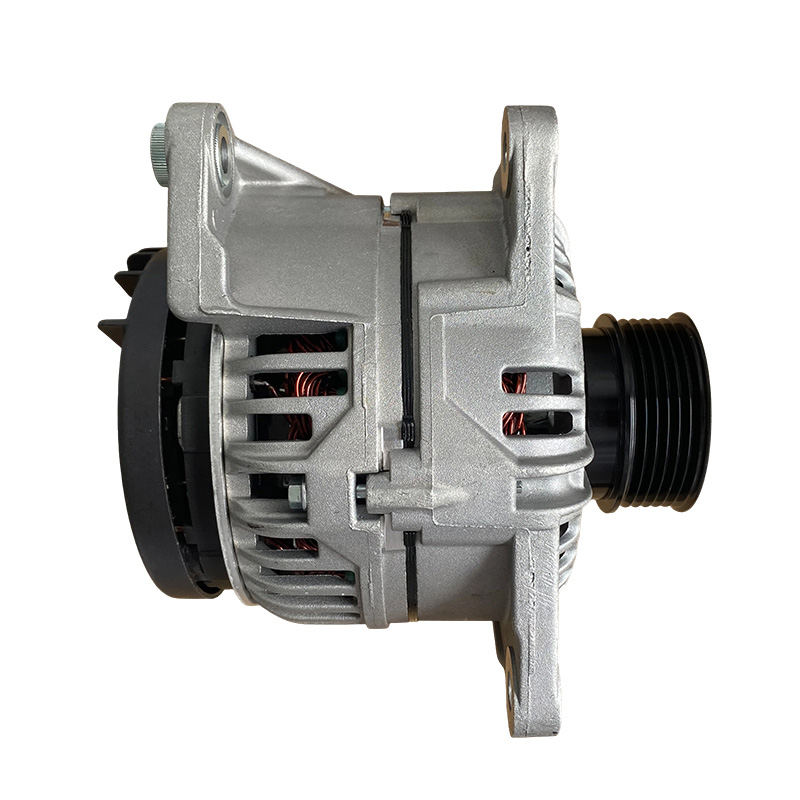
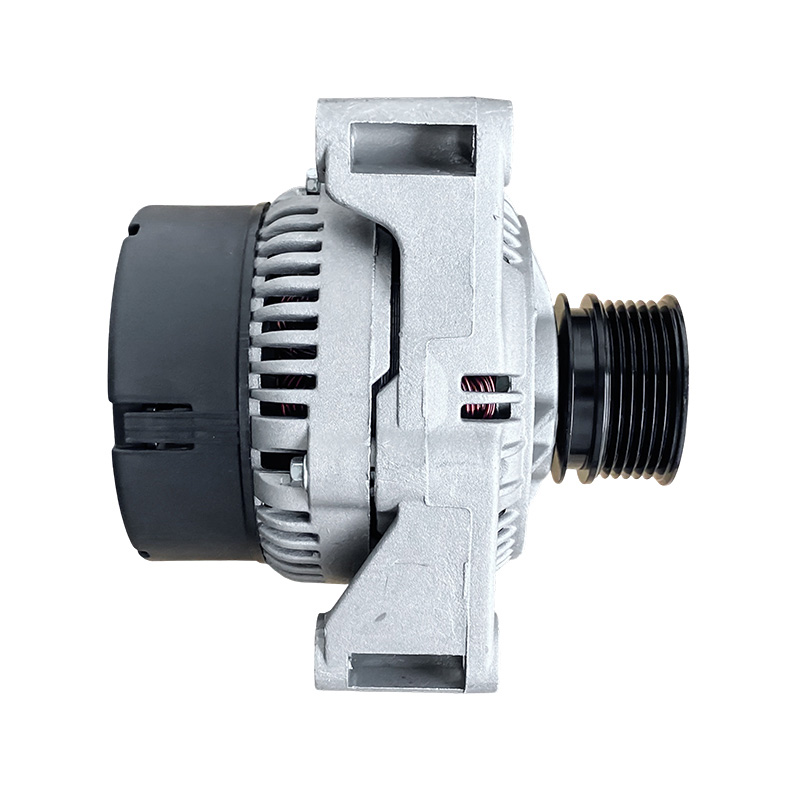
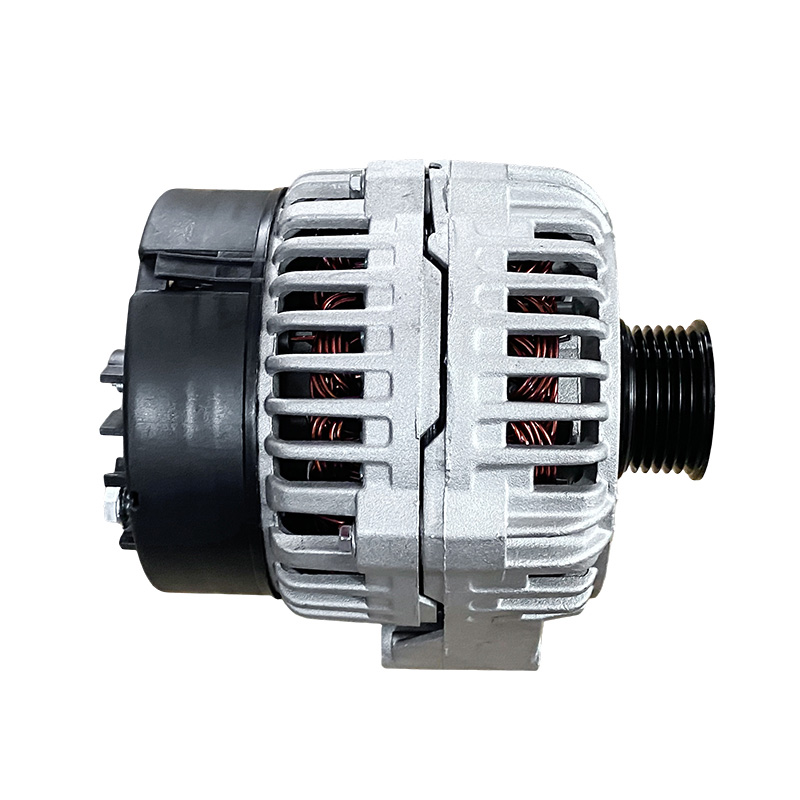
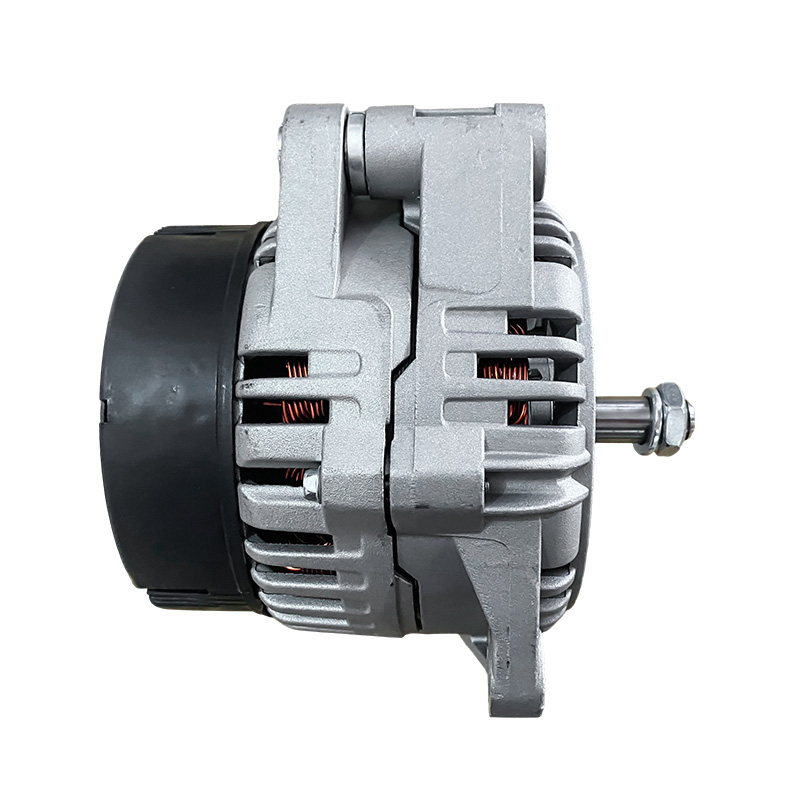
The Bosch alternator has earned its reputation as one of the most reliable generator units in automotive and commercial vehicle engineering through decades of consistent electrical performance across a broad range of operating conditions. As a supplier of original equipment to major vehicle manufacturers across Europe, Asia, and North America, Bosch established design and output standards that became reference points for the entire vehicle charging system industry. The key to this reliability lies in the combination of stable voltage regulation across the full engine RPM range, robust rectifier bridge construction, and rotor winding specifications that maintain consistent amperage output whether the engine is idling in city traffic or running at highway speed under full electrical load.
For workshop technicians and procurement engineers specifying replacement units, understanding what distinguishes a Bosch-designed generator system from generic alternatives is the starting point for making sound decisions. Bosch alternators are engineered to maintain output voltage within a tightly controlled band — typically 13.8 V to 14.4 V at the battery terminals — regardless of the electrical load placed on the system by the vehicle's lighting, climate control, infotainment, and ignition components. This voltage stability protects sensitive electronic control modules from the overvoltage spikes and undervoltage sags that degrade ECU performance and shorten battery service life, making it particularly critical in modern passenger cars and commercial vehicles with high-density electrical architectures.
One of the defining strengths of the Bosch alternator product range is its breadth of application coverage. Bosch generator systems are found across passenger cars from compact hatchbacks to full-size executive saloons, commercial vehicles including light delivery vans, heavy-duty trucks, and buses, and industrial equipment ranging from agricultural machinery to construction plant and stationary power generation units. This application diversity means that the mounting layouts, pulley configurations, and voltage–amperage requirements across Bosch OE references vary significantly — and that selecting a replacement unit requires careful cross-referencing against the vehicle's specific electrical system specifications rather than generic matching by engine type or vehicle model alone.
In passenger car applications, Bosch alternators are commonly rated in the 70 A to 180 A output range, with the specific amperage determined by the vehicle's total electrical load profile and battery capacity. Entry-level vehicles with minimal electrical accessories may be adequately served by a 90 A unit, while full-specification luxury vehicles with heated seats, large infotainment screens, adaptive lighting, and active suspension systems require 150 A or higher to maintain charging system balance. Commercial vehicle and industrial equipment applications extend this range significantly — heavy-duty truck alternators in the Bosch catalog reach 200 A to 280 A, with heavy-duty 24 V configurations serving vehicles that operate dual-battery systems for high-demand auxiliary equipment.
Replacement units for Bosch alternators are available across multiple OE references, and matching the correct replacement to the original unit requires attention to several parallel identification criteria. Using only the vehicle make and model is insufficient — vehicles of the same model produced across different model years, engine variants, or market specifications may use different alternator outputs, connector types, and mounting configurations that are not interchangeable without modification.
For vehicles where the original alternator label is missing or illegible, VIN-based cross-reference through Bosch's electronic parts catalog or a compatible aftermarket lookup tool provides a reliable alternative identification path. The VIN encodes the vehicle's production specification, including the electrical system variant fitted at the factory, enabling accurate alternator identification even without a readable OE part number from the failed unit.
The following table provides a practical reference for the typical Bosch alternator output ranges associated with common vehicle categories, assisting technicians in validating that a selected replacement unit falls within the appropriate specification range for the application.
| Vehicle Category | System Voltage | Typical Output Range | Common Pulley Type |
|---|---|---|---|
| Compact / Economy Car | 12V | 70 A – 100 A | Poly-V / OAD |
| Mid-Size / Executive Car | 12V | 110 A – 150 A | Poly-V / OAP |
| Full-Size / Luxury Car | 12V | 150 A – 180 A | Poly-V / OAD |
| Light Commercial Van | 12V | 120 A – 180 A | Poly-V |
| Heavy-Duty Truck / Bus | 24V | 80 A – 150 A | V-Belt / Poly-V |
| Industrial / Agricultural Equipment | 12V / 24V | 90 A – 200 A | V-Belt |
Installing a replacement Bosch alternator built with new components and matching the functional characteristics of the original design is a necessary but not sufficient condition for restoring reliable charging efficiency. Pre-installation inspection of the charging system's supporting components is equally important — a new alternator installed into a system with a degraded battery, corroded wiring, or a worn drive belt will underperform and may fail prematurely due to conditions unrelated to the replacement unit itself.
A failing alternator rarely stops functioning without warning. Recognizing the early symptoms of charging system deterioration allows vehicle owners and fleet managers to schedule replacement before a complete failure discharges the battery and leaves the vehicle inoperable. The following warning signs are consistently associated with alternator degradation in Bosch-equipped vehicles and should prompt immediate charging system diagnosis.
Addressing these symptoms promptly with a correctly specified replacement unit — one that supports direct installation through compatible electrical connectors and mechanical interfaces matched to the vehicle's Bosch-based generator system — restores consistent power supply under varied operating conditions and protects the vehicle's broader electrical architecture from the cumulative damage that sustained charging system underperformance causes over time.
Recommended Products
For Exclusive Offers And The Latest Deals, Feel Free To Contact Us!
We will unswervingly implement the tenet of "quality first, customer first, strict management, and creating a famous brand". Professional OEM/ODM Automotive Alternator Manufacturers and Heavy-Duty Truck Alternators Suppliers in China.
Product
Contact Info.
+86-180 5150 2183
+86-0510-83880396
No. 11 QiBei Road, Yuqi Town, Wuxi City, Jiangsu Province, China
 OEM Alternator Supplier Custom Automotive Alternator Truck Alternators Supplier
 English
 Español
 عربى
عربى