English

Need Help Now? Call Us!
+86-0510-83880396
Our team proudly offers an on-time guarantee and a 100% customer satisfaction guarantee.
Contact Online


 2026.06.15
 Industry News
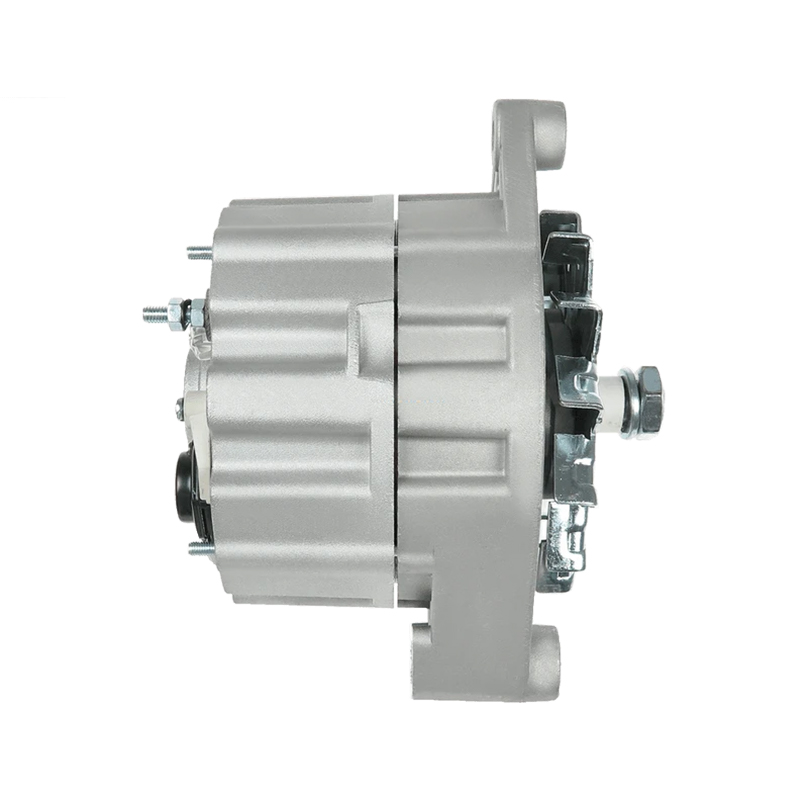
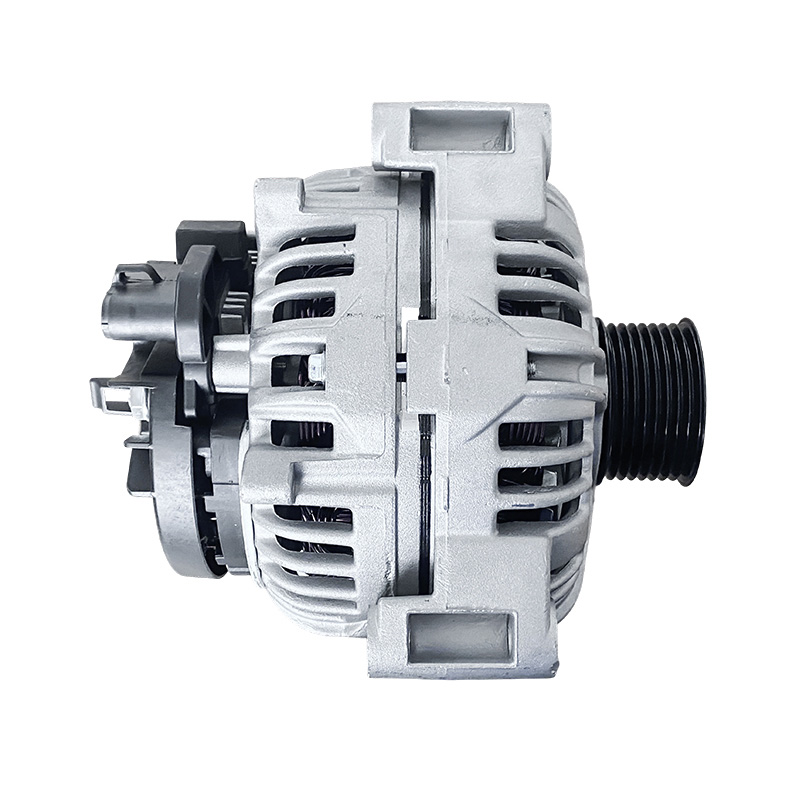
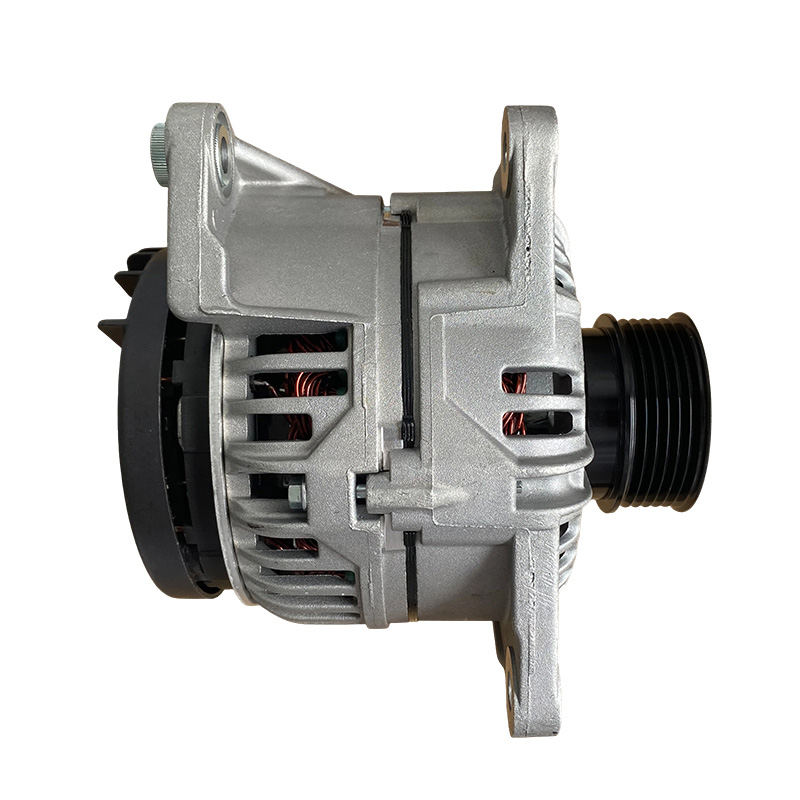
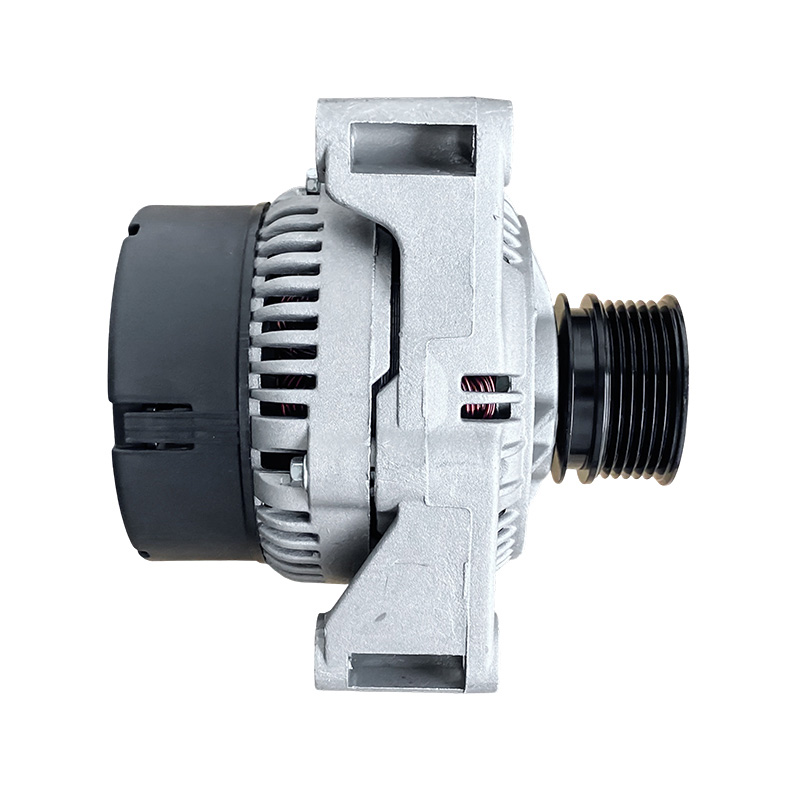
A Delco Remy alternator can run for years without complaint — until it doesn't. When charging output drops on a heavy-duty truck or commercial vehicle, the consequences move fast: dead batteries, failed electrical systems, and a rig parked on the shoulder at the worst possible time. Knowing when to act, and how to replace the unit correctly, is the difference between a planned repair and an emergency breakdown.
Content
The alternator is the backbone of a vehicle's electrical system. Once the engine is running, it converts mechanical energy into electrical power, keeping every load — headlights, ECUs, HVAC blowers, reefer units, and auxiliary systems — continuously fed. At the same time, it replenishes the battery after each start.
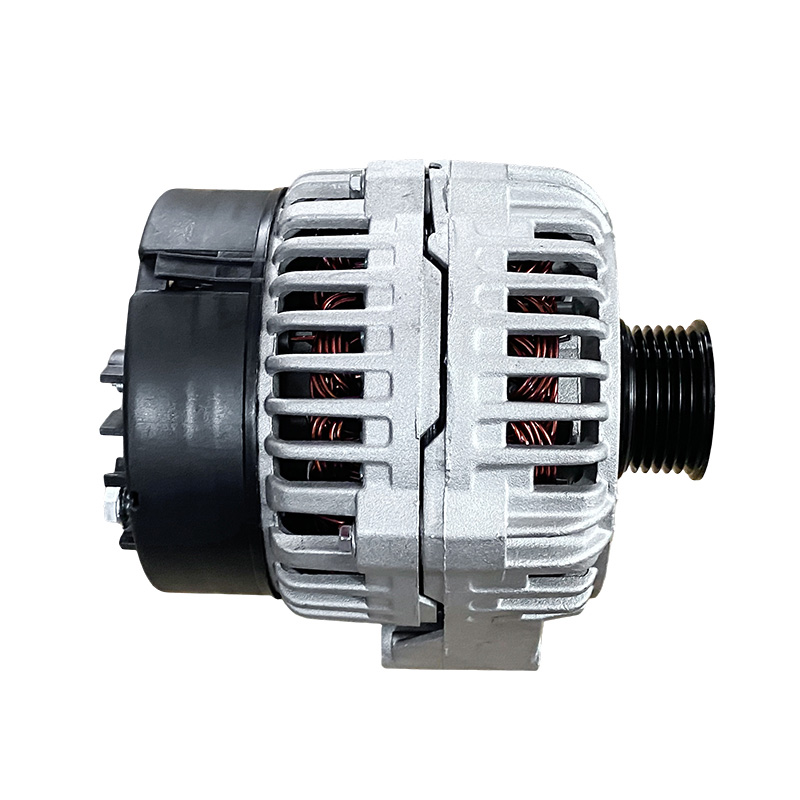
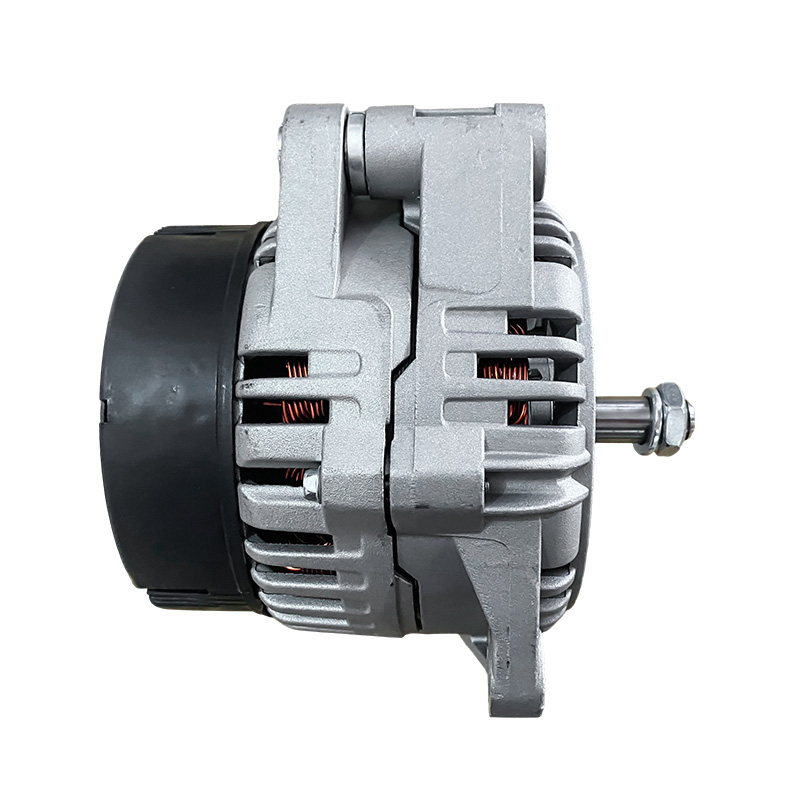
Delco Remy alternators are built specifically for demanding commercial applications: long-haul trucks, transit buses, off-highway equipment, and construction machinery. Models like the 28SI, 40SI, and 55SI are engineered to deliver stable output across a wide RPM range, often in extreme heat, vibration, and duty cycles that would quickly degrade a passenger-car unit. When one fails, the vehicle doesn't just lose a convenience — it loses the ability to sustain any electrical operation.
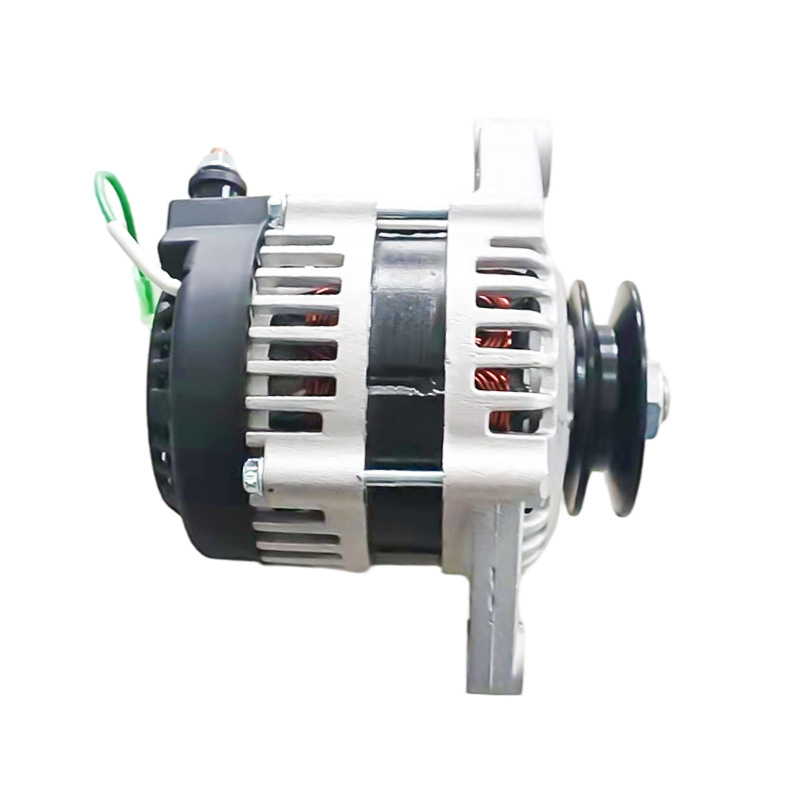
Alternators rarely fail without warning. The signals are usually gradual, which is exactly why they get ignored until it's too late. Watch for:
Before condemning the alternator outright, verify the basics: check for loose or corroded cable connections, inspect the drive belt for wear or tension issues, and test battery condition independently. A weak battery can mimic alternator failure on diagnostics.
Delco Remy units are built tough, but certain conditions will shorten service life regardless of build quality.
Alternator replacement on a commercial vehicle follows a logical sequence. Work methodically — rushing any step creates new problems.
Only use replacement parts approved for your specific alternator model. Installing non-compatible components voids applicable warranties and can create immediate electrical faults.
Not all Delco Remy replacements are equal, and selecting the wrong unit creates problems that don't show up until the vehicle is back in service under full load. Key selection criteria:
For a broad selection of Delco Remy alternator replacements for heavy-duty trucks and commercial vehicles, including verified OEM-compatible units across multiple series, browse our product catalog. You can also find answers to common questions about alternator compatibility and sourcing in our FAQ section.
A failed alternator on a passenger car is inconvenient. On a loaded freight truck running a schedule, it's a cascading financial problem: towing fees, missed delivery windows, spoiled temperature-sensitive cargo, and hours of unplanned downtime. The cost gap between a cheap replacement and a quality one disappears fast when the cheap unit fails at 40,000 miles instead of 200,000.
Wuxi Sanyou Auto Electrical Factory has manufactured OEM-compatible alternators and starters for over two decades, supplying automotive, heavy-duty truck, construction, and agricultural equipment markets worldwide. Every unit undergoes rigorous testing to match original output specifications, terminal configurations, and mounting dimensions. Our Delco Remy-compatible alternator range covers the major series used across commercial fleets globally.
We also supply Delco Remy-compatible starter motors for commercial and off-highway applications, along with alternators from Bosch, Denso, Mitsubishi, Valeo, and other major OEM families — all available through a single source. View our full range of heavy-duty alternators and starters or contact us directly for cross-reference assistance and OEM/ODM enquiries.
Recommended Products
For Exclusive Offers And The Latest Deals, Feel Free To Contact Us!
We will unswervingly implement the tenet of "quality first, customer first, strict management, and creating a famous brand". Professional OEM/ODM Automotive Alternator Manufacturers and Heavy-Duty Truck Alternators Suppliers in China.
Product
Contact Info.
+86-180 5150 2183
+86-0510-83880396
No. 11 QiBei Road, Yuqi Town, Wuxi City, Jiangsu Province, China
 OEM Alternator Supplier Custom Automotive Alternator Truck Alternators Supplier
 English
 Español
 عربى
عربى