English

Need Help Now? Call Us!
+86-0510-83880396
Our team proudly offers an on-time guarantee and a 100% customer satisfaction guarantee.
Contact Online


 Home / News / Industry News / Car Keeps Dying But Battery & Alternator Test Good? Hidden Causes Explained
  2026.08.24
 Industry News
You are cruising down the highway when the engine suddenly stumbles, the dash lights fade, and the car rolls to a stop. A jump start brings it back to life, but the same failure returns the next day. At the repair shop, the battery passes the load test and the alternator shows correct charging voltage. Yet the car keeps dying. This is one of the most confusing electrical faults a driver can experience, because the two components that usually explain a dead car have been given a clean bill of health.
Bottom line: when both the battery and the alternator test good, the fault is usually in the charging circuit wiring, a bad ground, or an intermittent alternator failure that only appears under heat and real electrical load.
Content
A standard battery test measures open-circuit voltage and cranking capacity. A standard alternator test reads charging voltage at idle with only one or two electrical loads switched on. Both tests are snapshots taken in a calm, cool environment. Real driving is different: the engine bay heats up, electrical loads rise, and the alternator works much harder.
An alternator with worn brushes or a weak diode can produce 14.1 volts when cold and unloaded, then drop below 12.5 volts after thirty minutes on the road with the air conditioning and headlights running. The voltage regulator may perform perfectly at room temperature and fail at 85 degrees Celsius. These thermal and load-dependent failures are the reason a passing bench test does not mean the charging system is healthy.
A cold, unloaded charging test is not a reliable guarantee. The true judge is a hot, fully loaded alternator.
The charging circuit is a closed loop: alternator, battery, engine block, and chassis ground. High resistance anywhere in that loop produces voltage drop. The alternator can generate 14.2V at its output terminal while the battery sees only 12.6V. Loose battery clamps, corroded cable lugs, a blown fusible link, or a frayed engine ground strap can starve the engine computer and fuel injectors of power. The result is a sudden stall that feels exactly like a dead battery, even though every component test passes.
Check both ends of every main cable. With the engine running and electrical loads switched on, use a multimeter to compare voltage at the alternator B+ post with voltage at the battery positive post. A difference above 0.2V on the positive side, or above 0.3V on the ground side, indicates high resistance that needs repair.
Brushes wear, slip rings score, diodes break down, and regulators drift as an alternator ages. These internal failures often only appear once the alternator is hot or working hard. A unit that passes a cold parts-store test can still shut down after twenty minutes of highway driving. This intermittent contact loss is especially common on high-mileage alternators.
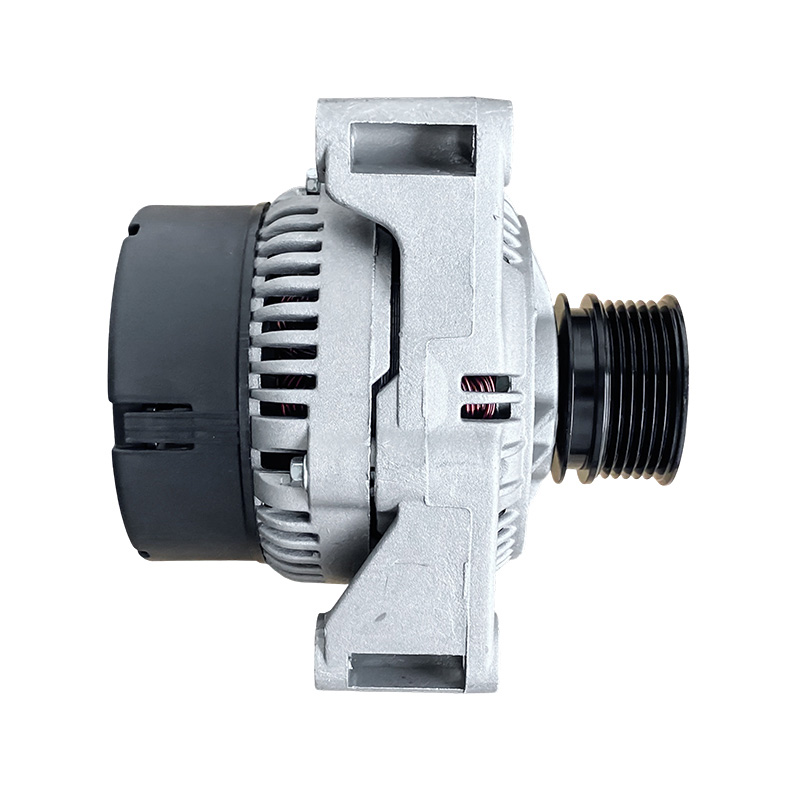
When a replacement is necessary, keeping the original architecture matters. A Denso 12V 130A replacement alternator for Toyota Land Cruiser Prado preserves the correct connector, pulley, and output rating so the charging curve in the engine computer stays valid.
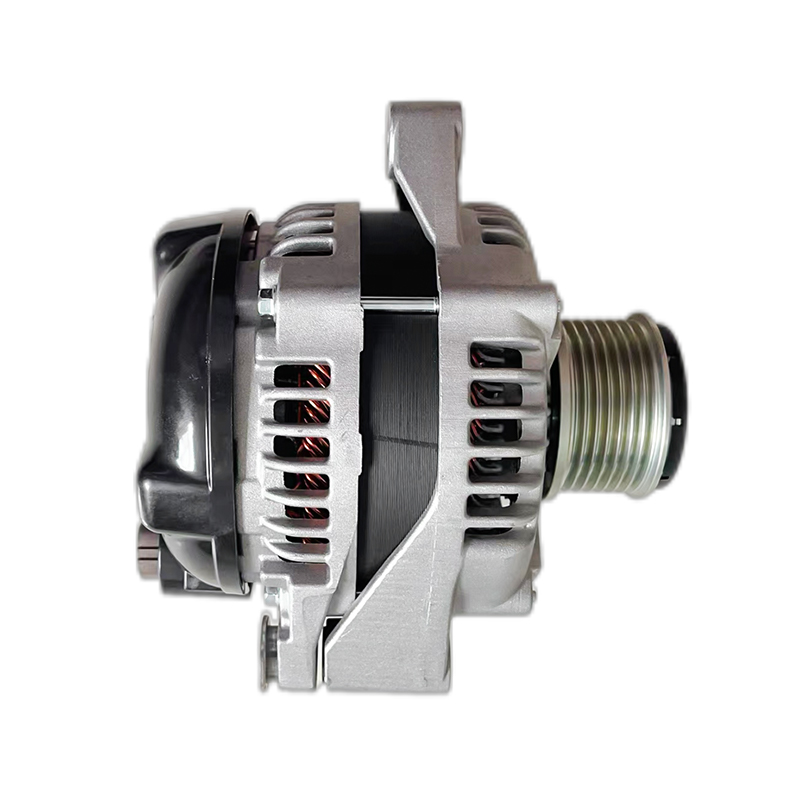 Custom OE Denso 12V 130A Alternator for Toyota Land Cruiser Prado 3.0D-4D / HiacSanyou Auto -Custom OE Denso 12V 130A Alternator for Toyota Land Cruiser Prado 3.0D-4D / Hiace 2.7L (20779N Replacement), Wholesale Onlin...View Product →
A worn serpentine belt or weak tensioner lets the alternator spin below its required speed. At idle the voltage can look normal; at highway speed the belt slips, output collapses, and the engine dies. Inspect the belt ribs for cracking, the tensioner for smooth travel, and the alternator pulley for glazing or wobble.
A parasitic drain empties the battery while the car is parked. It does not explain an engine that dies in traffic. If the engine dies while driving and restarts with a jump, the fault is on the charging or supply side, not a trunk light or a door module. Understanding this difference keeps you from wasting hours pulling fuses when the real issue is a charging circuit failing under load.
Use this quick reference to aim the diagnosis in the right direction before you replace anything.
When a charging fault is intermittent, the evidence appears only when the alternator is hot and pushed hard. The chart below shows a real-world case where an alternator passed a cold idle test but failed once the engine reached operating temperature under full electrical load.
Notice the last bar: output drops to 12A when the alternator is hot and fully loaded. That is not enough to run the ignition system, fuel pump, and engine computer while also recharging the battery. The engine stalls, the battery gradually drains, and every cold test comes back perfect.
This problem follows vehicle population. Passenger cars generate the most cases simply because they dominate the roads. Light trucks and SUVs come next. Heavy trucks, buses, construction machines, and agricultural equipment see the same intermittent faults, but with higher downtime costs because every hour a machine sits still burns revenue.
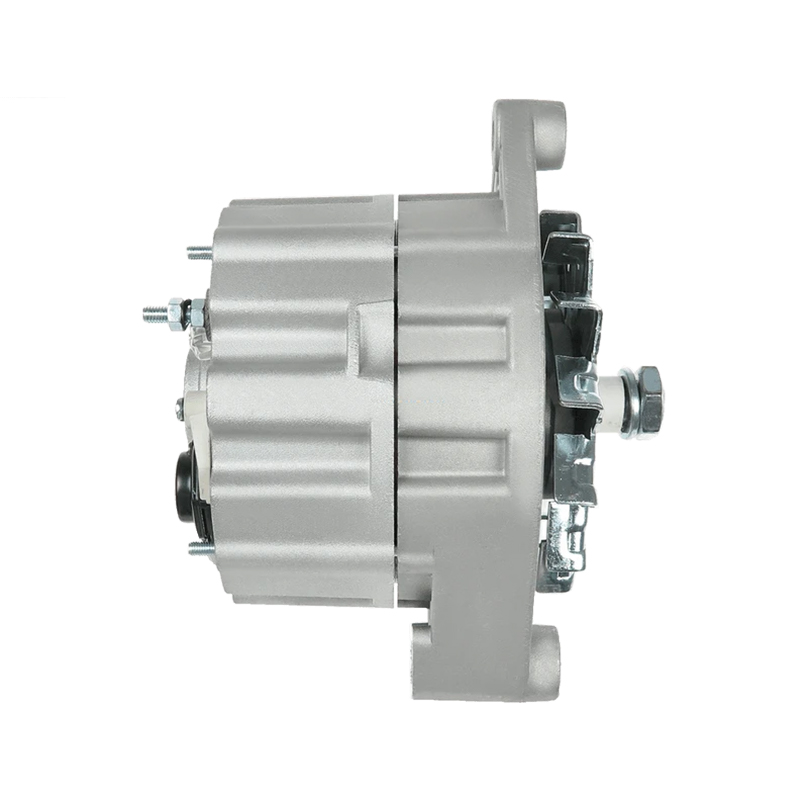
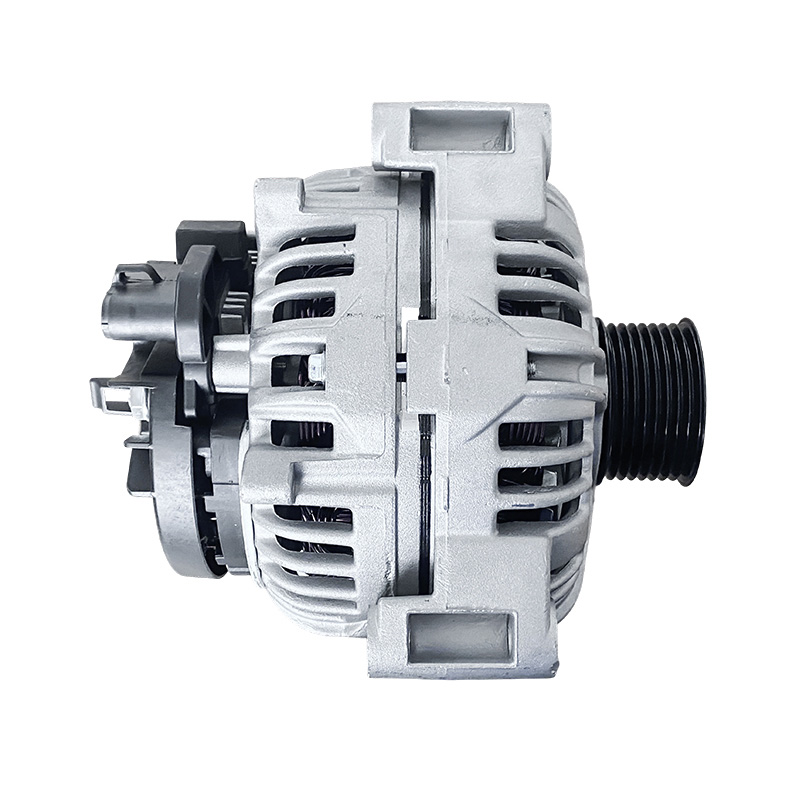
In commercial fleets, a reliable replacement is a financial decision. A 24V 110A heavy-duty alternator for trucks and industrial vehicles built to the original mechanical interface and current rating minimizes the chance of a second failure. Understanding output specifications before purchasing is also critical; a heavy-duty alternator specification and selection guide explains how to verify amperage, pulley, and mounting compatibility.
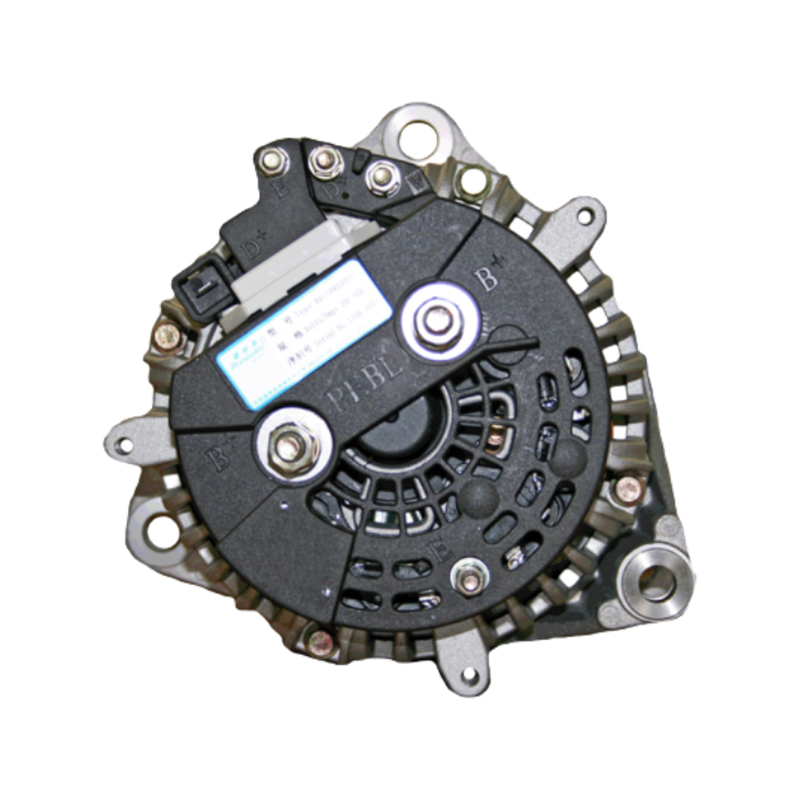 Custom OE 24V 110A Heavy-Duty Alternator for Prestolite-Equipped Trucks, IndustrSanyou Auto -Custom OE 24V 110A Heavy-Duty Alternator for Prestolite-Equipped Trucks, Industrial & Military Vehicles – High-Output Replac...View Product →
Work through these steps in order. They separate a simple wiring fix from a genuine alternator failure.
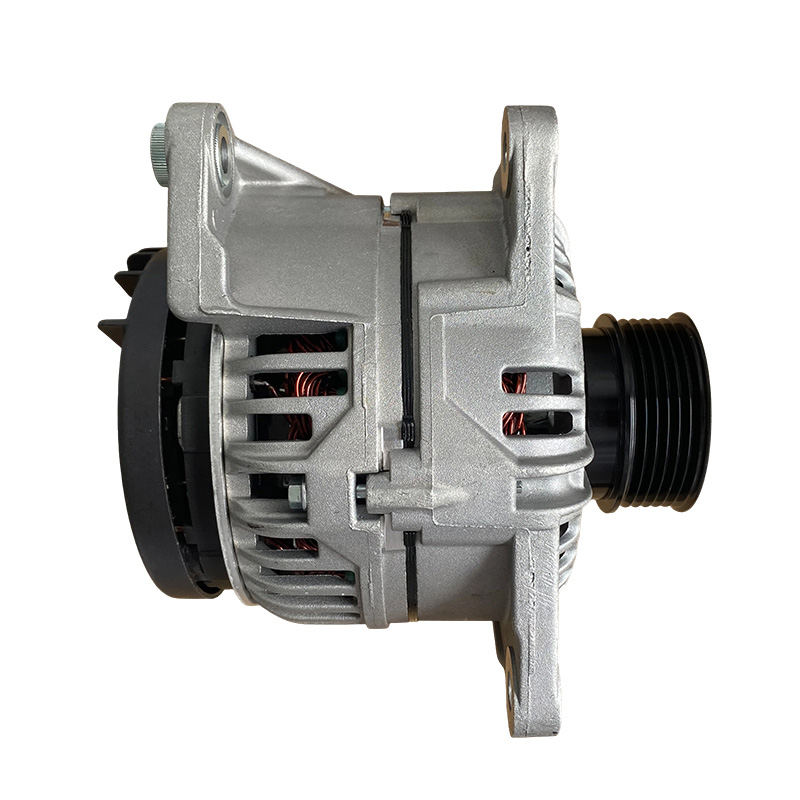
Once the alternator is confirmed as the weak point, choose a unit with the correct voltage, amperage, pulley groove count, and mounting style. For passenger vehicles, that means matching the original specification. A Bosch 12V 90A replacement alternator for Ford applications, for example, uses the same 8PK pulley and regulator architecture as the original unit, so charging behavior stays consistent.
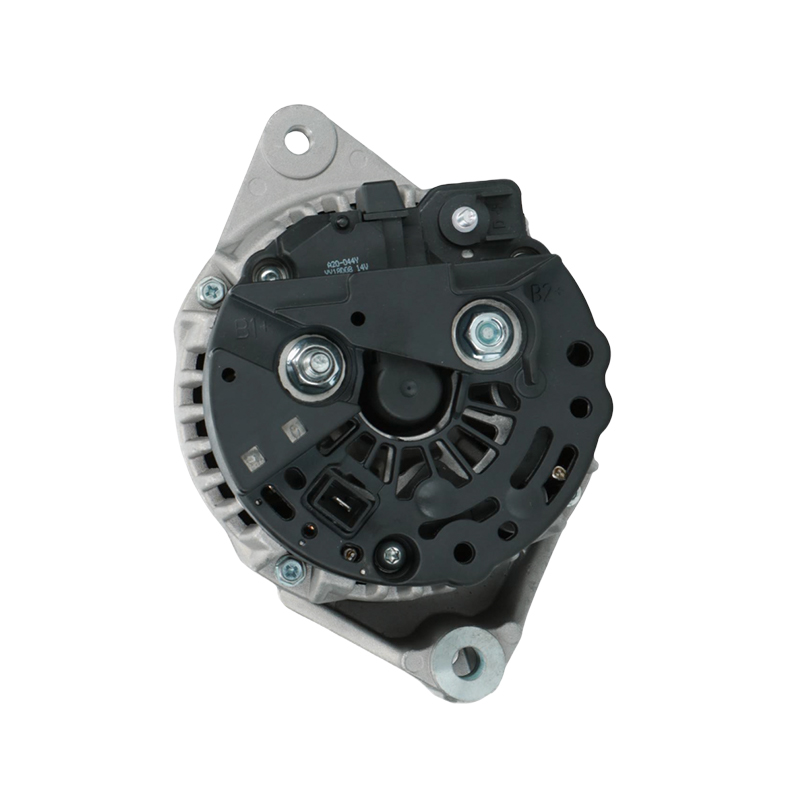 Custom OE 0124325109, 3C4510300AA 12V 90A 8PK58 Bosch Car Alternator for FORD SeSanyou Auto -Custom OE 0124325109, 3C4510300AA 12V 90A 8PK58 Bosch Car Alternator for FORD Series CARGO, Wholesale Online, 0124325109, 3C...View Product →
Wiring faults do not require a new alternator. Clean and tighten connections, replace a corroded ground cable, or repair the fusible link, then re-test under load before ordering parts. The cheapest repair is still the correct repair.
Most intermittent charging failures are premature and preventable. Regular attention to terminals, grounds, and belt condition catches the early signs of resistance before they become roadside breakdowns. Equally important is choosing a supplier that tests finished units under load. Reviewing a factory's alternator manufacturing and quality control processes tells you whether you are buying a verified product or a gamble. A manufacturer that runs each alternator under load before shipping reduces the odds of installing a replacement that fails in exactly the same way as the one you removed.
Recommended Products
For Exclusive Offers And The Latest Deals, Feel Free To Contact Us!
We will unswervingly implement the tenet of "quality first, customer first, strict management, and creating a famous brand". Professional OEM/ODM Automotive Alternator Manufacturers and Heavy-Duty Truck Alternators Suppliers in China.
Product
Contact Info.
+86-180 5150 2183
+86-0510-83880396
No. 11 QiBei Road, Yuqi Town, Wuxi City, Jiangsu Province, China
 OEM Alternator Supplier Custom Automotive Alternator Truck Alternators Supplier
 English
 Español
 عربى
عربى