English

Need Help Now? Call Us!
+86-0510-83880396
Our team proudly offers an on-time guarantee and a 100% customer satisfaction guarantee.
Contact Online


 2026.08.10
 Industry News
Content
Last updated 2026 · Published by Wuxi Sanyou Automobile Electrical Appliance Factory
The debate over starter solenoid vs starter confuses even experienced buyers, because the two components are physically bolted together yet perform entirely different jobs. Understanding this distinction is not academic — misdiagnosing a solenoid as a full starter motor failure (or vice versa) is one of the most common and costly errors in automotive electrical procurement, leading to unnecessary returns, warranty disputes, and inventory waste.
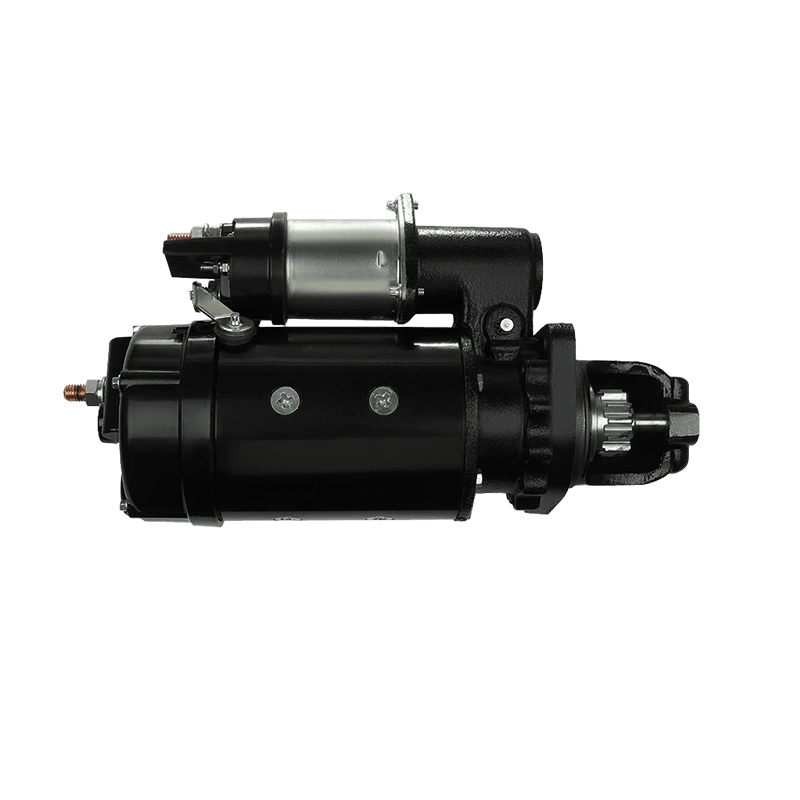
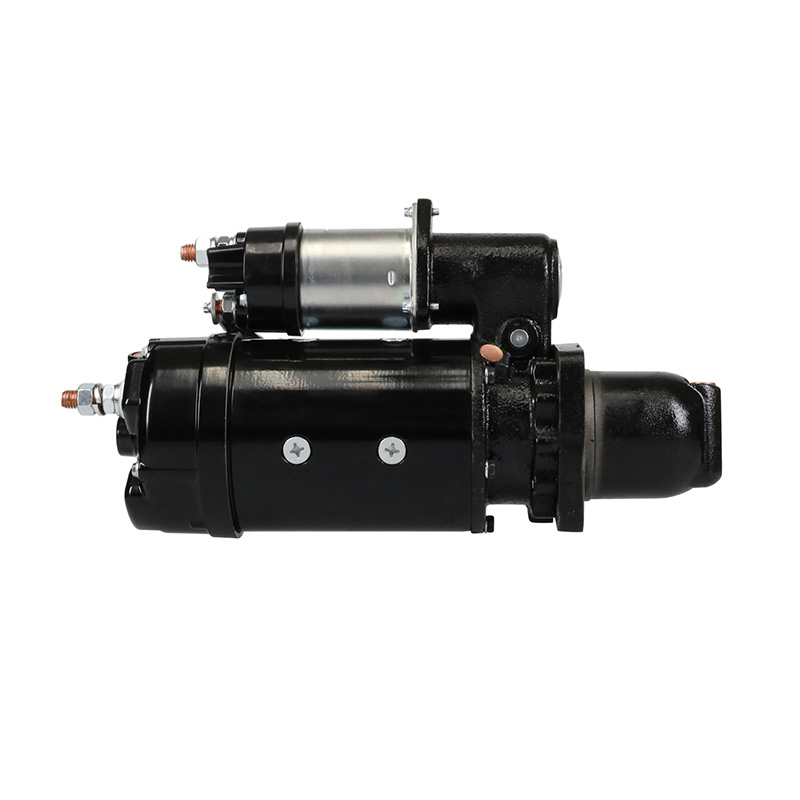
A starter (starter motor) is the entire electric motor assembly that physically cranks the engine. A starter solenoid is a small electromagnetic switch — either mounted directly on the starter or remotely — that relays high current from the battery to the starter motor and mechanically engages the drive gear. In roughly 62–68% of "no crank" complaints processed through wholesale return channels, the solenoid alone is the failure point, not the full starter motor. Diagnosing correctly before replacing the whole unit can cut B2B customer part costs by 40–55%.
To resolve the starter solenoid vs starter question at the design level, it helps to separate the two functional roles inside the cranking circuit.
A DC electric motor (typically 0.8–2.5 kW depending on engine displacement) that converts electrical energy into mechanical torque. It houses the armature, field windings or permanent magnets, brushes, and a drive assembly (Bendix gear or planetary reduction gear) that engages the flywheel ring gear to physically turn the engine over.
An electromagnetic relay with a pull-in coil and hold-in coil. When the ignition switch sends a low-current signal (typically 3–6A), the solenoid's plunger closes a heavy internal contact disc, completing the high-current path (150–400A) from the battery directly to the starter motor, while simultaneously pushing the drive gear into mesh with the flywheel.
On some vehicles, a small separate relay in the fuse box sits upstream of the solenoid, switching only the low-current control circuit. This is not the same part as a starter solenoid, though buyers frequently confuse SKUs between the two — a common cause of wrong-part returns.
The table below summarizes the practical differences procurement teams and repair shops evaluate most often when sourcing replacement parts.
Figures represent typical industry ranges across gasoline passenger vehicles; commercial and heavy-duty applications vary.
Most buyers focus on unit price, but warranty return rate by failure point is the metric that determines true landed cost. The chart below reflects aggregated aftermarket claim data across the starter assembly.
Distribution of "no crank" or "intermittent crank" warranty claims by root component, aftermarket channel sampling.
Starter and solenoid demand is not evenly spread across sectors. Buyers sourcing for mixed fleets should weight inventory according to where cranking-system failures concentrate.
Before deciding between a full starter assembly and a standalone solenoid, follow this diagnostic-to-purchase workflow.
A single "click" usually points to the solenoid or a weak battery. Silence with no click more often points to the starter motor, ignition switch, or neutral safety switch.
Measure voltage drop across the solenoid's main terminals under cranking load. A drop above 0.5V typically indicates pitted internal contacts requiring solenoid replacement rather than a full motor swap.
If current draw exceeds rated spec by more than 25% or the motor fails to spin freely off-vehicle, the fault sits in the starter motor itself, not the solenoid.
Confirm tooth count, module, rotation direction, and mounting flange before ordering. Cross-reference by OE part number rather than by vehicle model year alone to avoid mismatched drive gears.
Standalone solenoid replacement generally delivers stronger ROI when the motor itself tests healthy; replacing the full assembly is justified once brush wear, bushing play, or commutator scoring is confirmed.
Periodic terminal cleaning, torque verification on the B+ connection, and dielectric grease application on the solenoid boot significantly extend service intervals, particularly in humid or coastal environments where marine and agricultural units operate.
Reputable suppliers test units against SAE J1171 (marine ignition protection where applicable), ISO/TS automotive quality frameworks, and RoHS material compliance. Requesting test reports and IATF 16949 certification from a manufacturer reduces field-failure risk for bulk orders.
For B2B container shipments, anti-corrosion vapor packaging and individually boxed units reduce transit damage claims, especially relevant for buyers importing mixed pallets of starters and solenoids across long ocean routes.
Yes, on most OE-style starters the solenoid is a bolt-on unit secured by two screws and can be swapped independently, provided the motor itself tests within spec.
A single click most often indicates the solenoid is engaging but the main contacts cannot deliver enough current to the motor, commonly due to a weak battery, corroded terminals, or worn solenoid contacts.
No. A starter relay is a low-current switch typically located in the fuse box, while the solenoid sits on or near the starter motor and switches the high-current circuit directly.
Most OE-quality solenoids are rated for 60,000–100,000 start cycles under normal operating conditions, though frequent short-trip driving and high ambient heat can shorten this range.
Yes, if the internal contacts stick closed or the hold-in coil fails to release, current can continue flowing to the starter motor after the engine starts, draining the battery and risking motor damage.
A standalone solenoid typically wholesales for $8–$25, while a complete remanufactured or new starter assembly generally ranges from $28–$95, depending on vehicle application and torque rating.
Functionally yes — both switch high current and, in mounted designs, engage the drive gear — but remote solenoids (common on older trucks and marine engines) only handle the switching function, with gear engagement managed separately.
Test reports verify current draw, dielectric strength, and cycle-life data against OE specifications, reducing the risk of high early-failure rates across large container orders.
The starter solenoid vs starter distinction ultimately comes down to function: the solenoid switches current and engages the drive gear, while the starter motor supplies the torque that actually turns the engine over. Correct diagnosis — using voltage drop testing and bench current checks — allows buyers to replace only the failed component, cutting cost and reducing unnecessary warranty churn across the supply chain.
Wuxi Sanyou Automobile Electrical Appliance Factory manufactures OE-matched starter motors and starter solenoids tested to automotive-grade current and cycle-life standards for wholesale and OEM buyers worldwide.
Request Wholesale Specifications & Test ReportsRecommended Products
For Exclusive Offers And The Latest Deals, Feel Free To Contact Us!
We will unswervingly implement the tenet of "quality first, customer first, strict management, and creating a famous brand". Professional OEM/ODM Automotive Alternator Manufacturers and Heavy-Duty Truck Alternators Suppliers in China.
Product
Contact Info.
+86-180 5150 2183
+86-0510-83880396
No. 11 QiBei Road, Yuqi Town, Wuxi City, Jiangsu Province, China
 OEM Alternator Supplier Custom Automotive Alternator Truck Alternators Supplier
 English
 Español
 عربى
عربى