English

Need Help Now? Call Us!
+86-0510-83880396
Our team proudly offers an on-time guarantee and a 100% customer satisfaction guarantee.
Contact Online


 2026.07.27
 Industry News
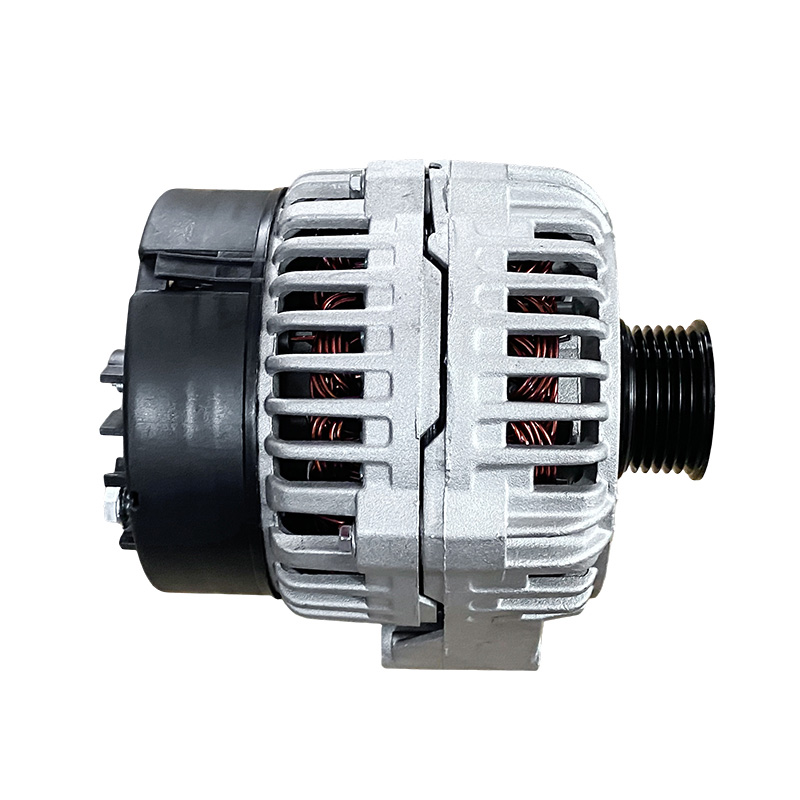
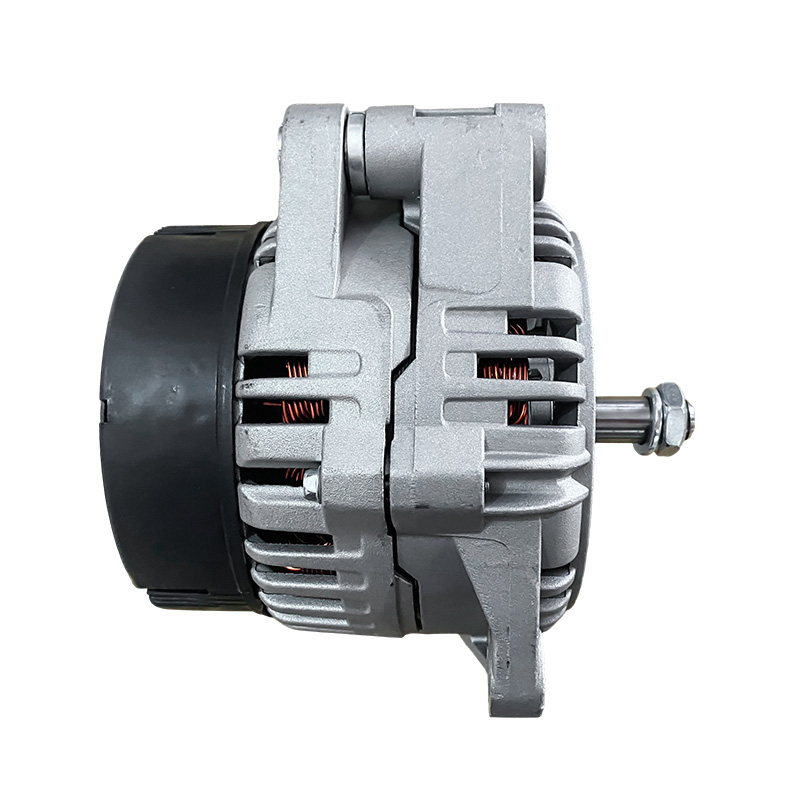
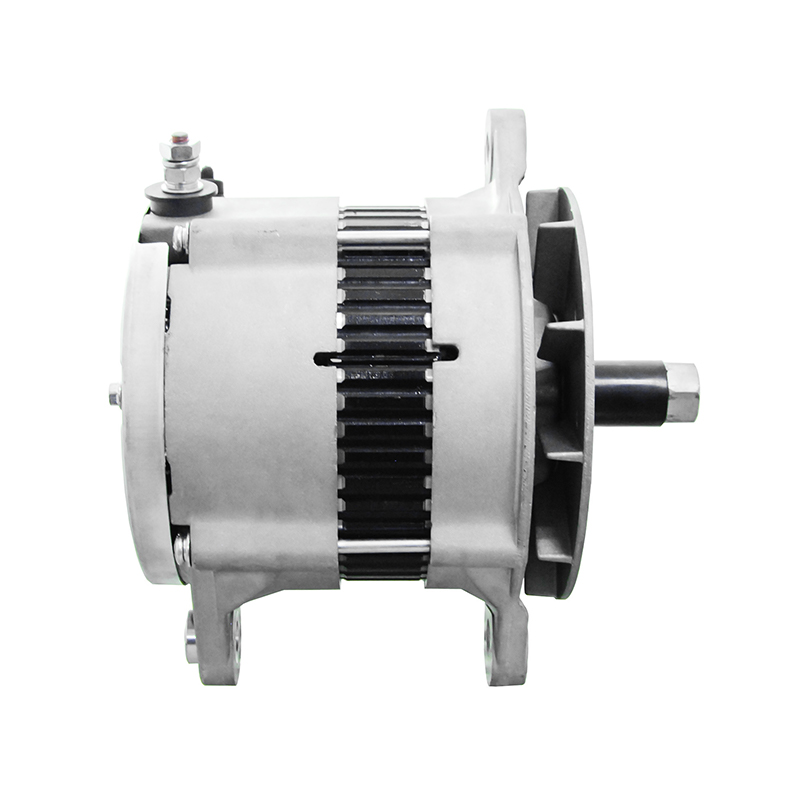
The price of a Denso alternator ranges from $80 to $500 depending on whether you choose a remanufactured aftermarket unit, a new OE-equivalent replacement, or a genuine Denso OEM part. Compact passenger car models like those for Toyota Corolla or Honda Civic typically cost $100–$250 for a new aftermarket unit, while high-output commercial and agricultural alternators rated at 150 amps or above can reach $350–$500. The price gap between a genuine Denso-branded alternator and a quality aftermarket equivalent is usually 40–60%, with the aftermarket option delivering near-identical charging performance when sourced from a reputable manufacturer that follows Denso OE design standards. Understanding what drives these price differences—amperage rating, internal component quality, warranty length, and distribution channel—allows equipment owners to choose the most cost-effective option without compromising long-term reliability.
Content
Denso alternators span a wide output range, from compact 60-amp units to heavy-duty 180-amp models, and pricing scales accordingly. The table below summarizes current market prices across the most common application segments.
| Application | Typical Amperage | Aftermarket New | Genuine Denso OEM | Remanufactured |
|---|---|---|---|---|
| Passenger Car (Toyota, Honda, Suzuki) | 70–100A | $90–$180 | $220–$380 | $80–$150 |
| Light Commercial Van/Pickup | 100–130A | $140–$250 | $300–$480 | $120–$200 |
| Agricultural Tractor (Compact) | 55–80A | $110–$190 | $250–$400 | $90–$160 |
| Heavy-Duty Truck/Industrial | 150–180A | $250–$400 | $450–$700 | $200–$350 |
Prices vary by region and supplier, but the ratio between OEM and aftermarket remains broadly consistent. The premium for a genuine Denso alternator reflects the brand's supply chain, dealership markup, and manufacturer warranty structure—not necessarily a difference in the copper windings, bearings, or diodes inside the unit when compared to a quality aftermarket equivalent built to Denso OE specifications.
Six factors interact to set the final price of any Denso-pattern alternator. Understanding each allows buyers to evaluate whether a higher-priced unit offers proportional value for their specific application.
The single largest price driver is current output capacity. A 70-amp alternator uses thinner stator windings and fewer copper turns than a 150-amp unit. The copper content difference alone accounts for approximately 15–25% of the cost increase between base and high-output models. Denso's compact design philosophy uses segment conductor (hairpin) winding technology in many modern alternators, which increases winding density and improves cooling efficiency. Hairpin-wound stators cost more to manufacture than conventional round-wire windings but deliver 20–30% higher output per unit volume, allowing a physically smaller alternator to match the output of a bulkier conventional design. This manufacturing precision contributes to higher unit cost but reduces mounting space requirements and weight, both critical in modern engine bays.
Denso alternators use integrated voltage regulators that vary from simple on-off switching to sophisticated load-response control. Basic regulators maintain a fixed charging voltage of approximately 14.4 volts. Higher-specification regulators incorporate thermal compensation that adjusts charging voltage based on under-hood temperature, and load-response control that communicates with the engine ECU to increase idle speed when electrical demand rises. These smart regulators add $20–$50 to the alternator cost but improve charging efficiency and battery lifespan. Aftermarket Denso-pattern alternators often use regulators that match the original switching voltage and thermal curve, though the communication protocol may differ slightly. For most non-ECU-controlled applications—older agricultural tractors, industrial engines, and basic commercial vehicles—a standard fixed-voltage regulator performs identically to the OEM part.
The front and rear bearings determine how long the alternator runs quietly under belt load. Genuine Denso alternators use Japanese-manufactured bearings from suppliers like NSK or NTN, rated for 15,000–18,000 rpm continuous operation with double-lip seals that exclude dust and moisture. Premium aftermarket replacements use bearings of equivalent specification and often from the same manufacturers. Budget aftermarket units—typically priced 30–40% below the mid-range—may use bearings with simpler single-lip seals or lower ABEC tolerance ratings. The bearing cost difference between a premium and budget unit is $8–$15 per alternator, a small absolute amount that disproportionately affects long-term durability, particularly in agricultural and industrial environments where dust and vibration are constant.
The rectifier bridge converts AC stator output to DC, and its diodes operate under intense thermal stress. Press-fit diodes in genuine Denso rectifiers use avalanche-rated silicon junctions that tolerate momentary voltage spikes without permanent damage. These diodes are press-fitted into aluminum heat sinks designed to maintain junction temperatures below 175°C under rated load. Aftermarket manufacturers following Denso OE standards replicate this diode specification and heat sink design. Lower-priced alternatives may use diodes with lower avalanche ratings or thinner heat sinks that allow temperatures to exceed safe limits during sustained high-load operation, leading to premature rectifier failure after 500–800 hours of heavy use rather than the 5,000–8,000 hours expected from a correctly specified unit.
Genuine Denso alternators purchased through dealerships or authorized distributors come with a 12–24 month manufacturer warranty and a part number that exactly matches the vehicle manufacturer's system. The premium price provides certainty: the alternator will fit without bracket modifications, the electrical connector will plug in without rewiring, and the charging curve will match the ECU's expectations. For late-model passenger vehicles with complex battery management systems and LIN-bus communication between the alternator and ECU, this plug-and-play certainty often justifies the OEM premium. For older vehicles, commercial trucks, agricultural equipment, and industrial engines without smart charging systems, a quality aftermarket Denso-pattern alternator offers equivalent electrical performance at 40–60% lower cost. These aftermarket units use new components throughout, not reconditioned parts, and carry warranties of 12–24 months matching many OEM guarantees.
Remanufactured alternators occupy the lowest price tier at $80–$200 for passenger car applications. The quality of a remanufactured unit depends entirely on what was replaced and what was reused. A proper remanufacturing process replaces the voltage regulator, brushes, bearings, and rectifier while reusing the rotor, stator, and housings after cleaning and testing. This returns the alternator to approximately 85–90% of new-unit service life at a significantly reduced price. Budget remanufacturing may only replace the visibly failed component and clean the exterior, leaving worn brushes or aging bearings in place. When evaluating a remanufactured Denso alternator, ask specifically: "Have the bearings, brushes, regulator, and rectifier all been replaced with new components?" A supplier who answers yes to all four items is offering a genuinely rebuilt unit; a hesitant or partial answer indicates a repaired unit with reduced expected lifespan. For equipment that runs long hours in remote locations—irrigation pumps, harvesters, long-haul trucks—the small absolute savings of a remanufactured unit rarely justify the risk of premature failure and the associated downtime cost.
A systematic approach to part identification prevents the most common and expensive mistake: ordering an incorrect alternator, installing it, and losing the right to return an electrical component that has been connected to power. Follow these steps to ensure the right match at the right price.
Alternator warranty periods cluster around three tiers: budget remanufactured units often carry 6–12 months, quality aftermarket new units offer 12–24 months, and genuine Denso OEM parts provide 24–36 months through authorized channels. The warranty length correlates loosely with expected service life but more directly reflects the manufacturer's confidence in their quality control. For daily-driven passenger cars, a 24-month warranty provides adequate coverage given that most alternator infant mortalities appear within the first 3–6 months of operation. For agricultural and industrial equipment that operates seasonally, a 12-month warranty that expires before the machine has accumulated significant hours offers limited protection; in these cases, a longer warranty period or a supplier with a reputation for honoring claims beyond the formal warranty term holds more value than a slightly lower purchase price. When comparing prices, factor in not just the unit cost but the cost of a potential failure: the labor to replace an alternator on a modern compact car ranges from $80–$200, while replacing one on a combine harvester during harvest season can cost $500–$1,500 in labor and lost productivity. In high-downtime-cost applications, the most economical choice is almost always a new unit built to OE specifications, regardless of whether the brand on the box matches the vehicle manufacturer's label.
Recommended Products
For Exclusive Offers And The Latest Deals, Feel Free To Contact Us!
We will unswervingly implement the tenet of "quality first, customer first, strict management, and creating a famous brand". Professional OEM/ODM Automotive Alternator Manufacturers and Heavy-Duty Truck Alternators Suppliers in China.
Product
Contact Info.
+86-180 5150 2183
+86-0510-83880396
No. 11 QiBei Road, Yuqi Town, Wuxi City, Jiangsu Province, China
 OEM Alternator Supplier Custom Automotive Alternator Truck Alternators Supplier
 English
 Español
 عربى
عربى