English

Need Help Now? Call Us!
+86-0510-83880396
Our team proudly offers an on-time guarantee and a 100% customer satisfaction guarantee.
Contact Online


 2026.11.10
 Exhibition News
Content
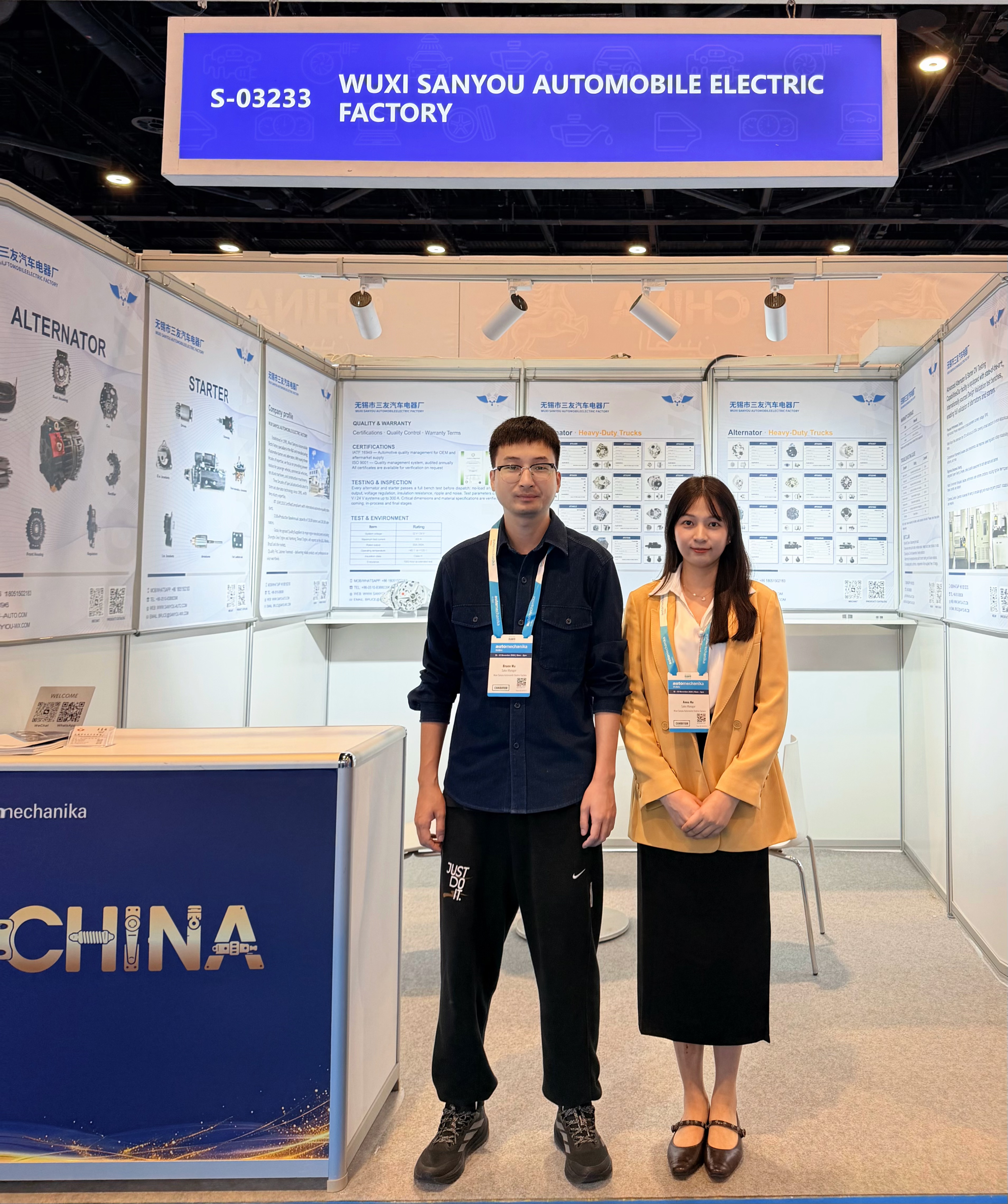
The 23rd edition of Automechanika Dubai opened this morning, and Wuxi Sanyou Auto Electrical Factory is on the floor at South Hall, Booth S-03233. The show runs from 10 to 12 November 2026, with doors open from 10:00 to 18:00 each day.
This year the exhibition has a new address. After more than two decades at Dubai World Trade Centre, the organizer has moved the event to Dubai Exhibition Centre at Expo City Dubai. Visitors who know the old route should check their directions before leaving the hotel.
Our team has brought alternators and starter motors for trucks, buses, construction machinery and industrial engines. Buyers can handle the parts, compare construction details and talk through specifications with the people who build them. Anyone planning ahead can browse the full range of alternators and starter motors online and mark the models they want to see in person.
The invitation we sent out in October carried one simple message: meet us in Dubai and talk about cooperation. Three days is short, so the rest of this article covers what is at the booth, who it is meant for and how to get the most out of a visit.
Dubai is a trading hub first and a car market second. Parts landed at Jebel Ali are redistributed across the Gulf, East Africa, Central Asia and the Indian Ocean region, often within days. A distributor who sources well here can supply customers in a dozen countries.
The vehicles those customers run are demanding ones. Long-haul trucks cross desert corridors, buses operate with air conditioning on for most of the year, and excavators, loaders and generators work on construction and infrastructure sites that rarely stop. Each of these machines depends on its charging and starting system, and each one loses money for its owner every hour it sits idle.
That is why the electrical aftermarket in this region leans toward heavy-duty parts. A workshop servicing a fleet of 24V trucks needs alternators rated for sustained load. A rental yard needs starters that turn over a cold-soaked diesel at dawn and a hot one at noon. Demand follows machines, and the machines here are large.
The scale of the show reflects this. The organizer expects well over a thousand exhibitors from dozens of countries, and the visitor list is weighted toward importers, wholesalers and workshop groups. For a manufacturer, that is a concentrated audience of people who already know what they want to buy and are looking for a reliable factory to buy it from.
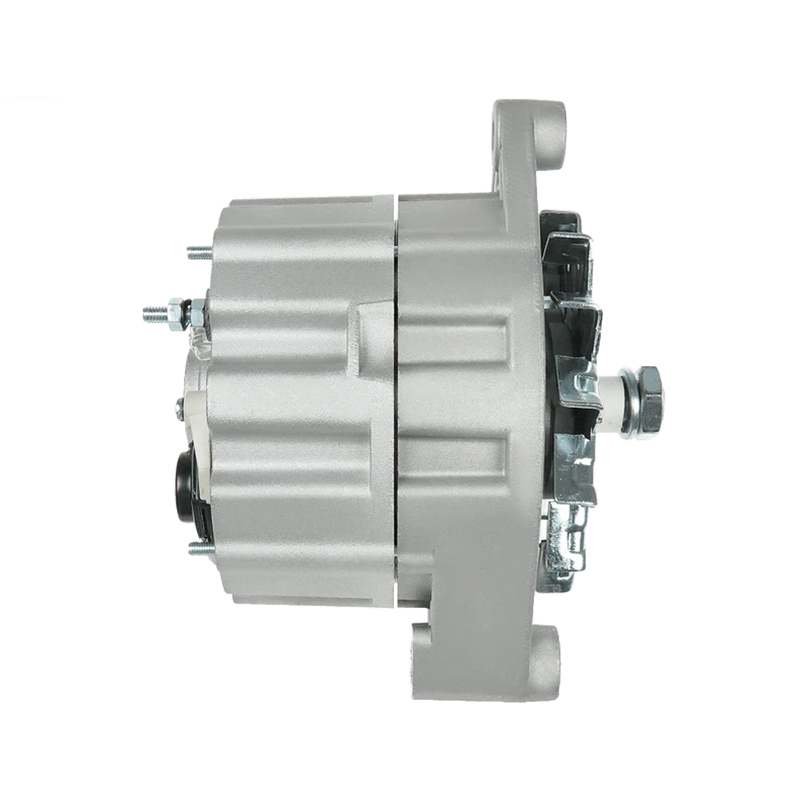
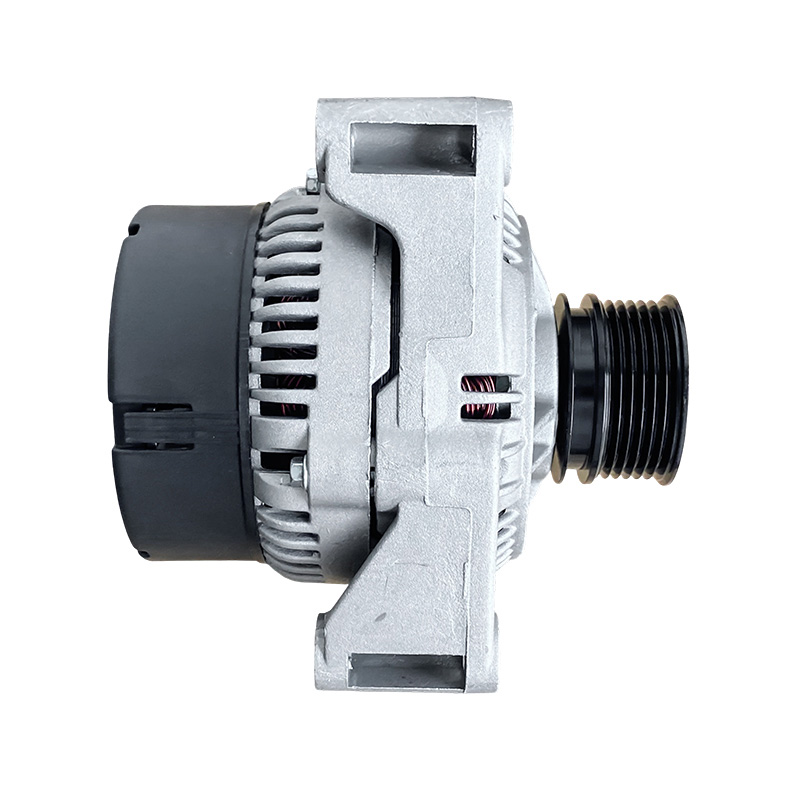
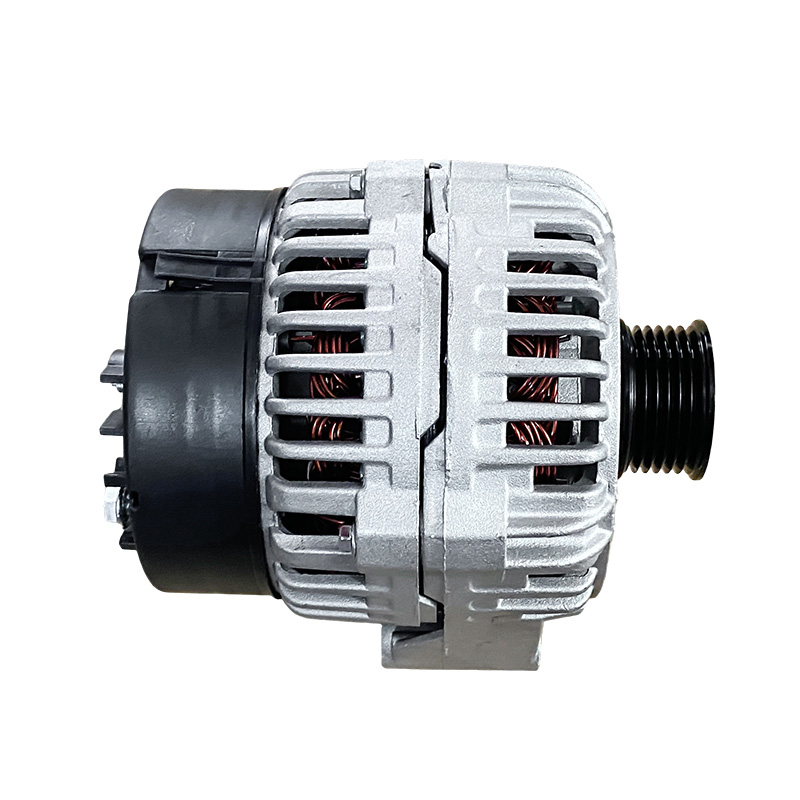
The two products featured on our invitation set the tone: a compact alternator with a rear-mounted connector and a heavy-duty starter motor with a solid, enclosed body. They represent the two ends of the electrical system, one that keeps the battery charged and one that gets the engine running.
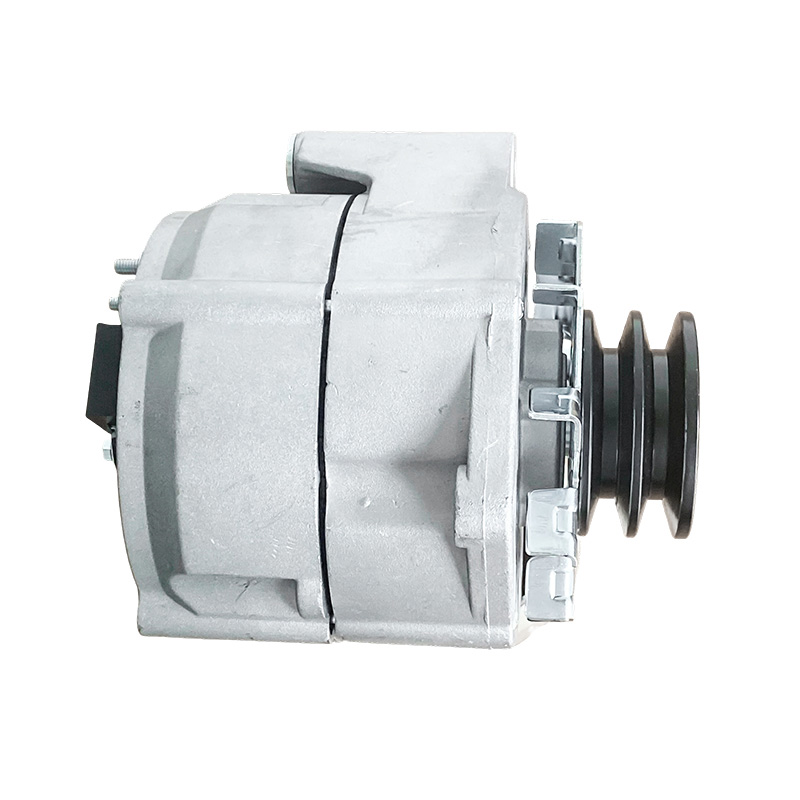
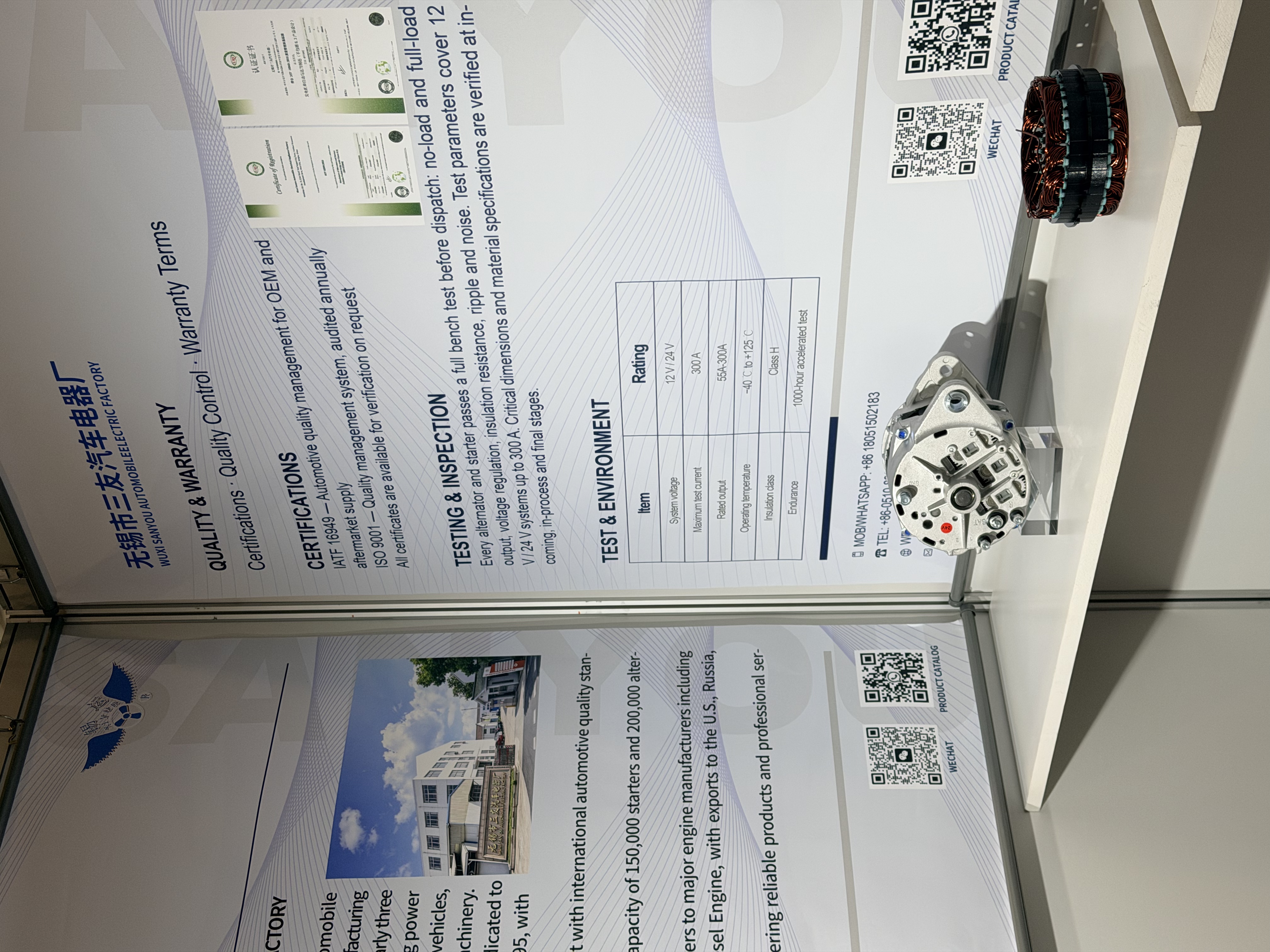
At the booth, visitors will find samples they can pick up and inspect. Look at the housing castings, the terminal quality, the pulley fit and the finish of the windings. These details tell you more about a supplier than a catalog photo does, and they are the first things an experienced buyer checks.
Our range is built around cross-reference compatibility. Many of our alternators and starters are designed to replace units from well-known OE and aftermarket families, so a customer can match a part number from a workshop invoice to a Sanyou product without redrawing the specification. If you bring a list of part numbers, our staff can check them against the catalog on the spot.
Expect the conversation to be practical. Typical questions at a show like this include voltage and amperage, pulley groove type, rotation direction, mounting dimensions and packaging. We keep the answers short and specific, and we follow up in writing afterwards.
Alternators are the larger part of our catalog, and they are organized by the platform they fit. That makes browsing straightforward for a buyer who thinks in terms of vehicle families rather than part numbers.
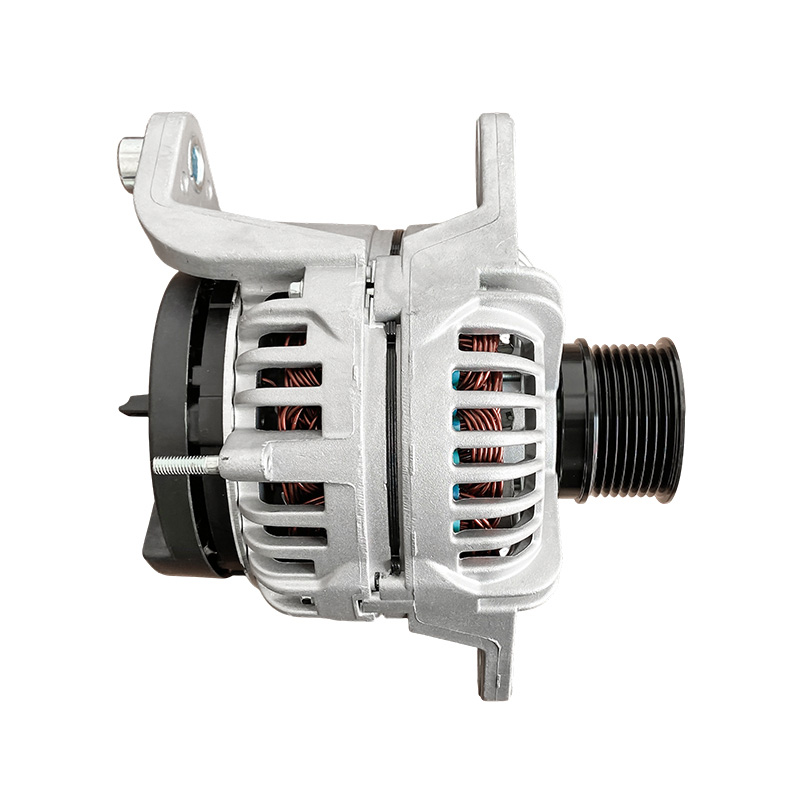
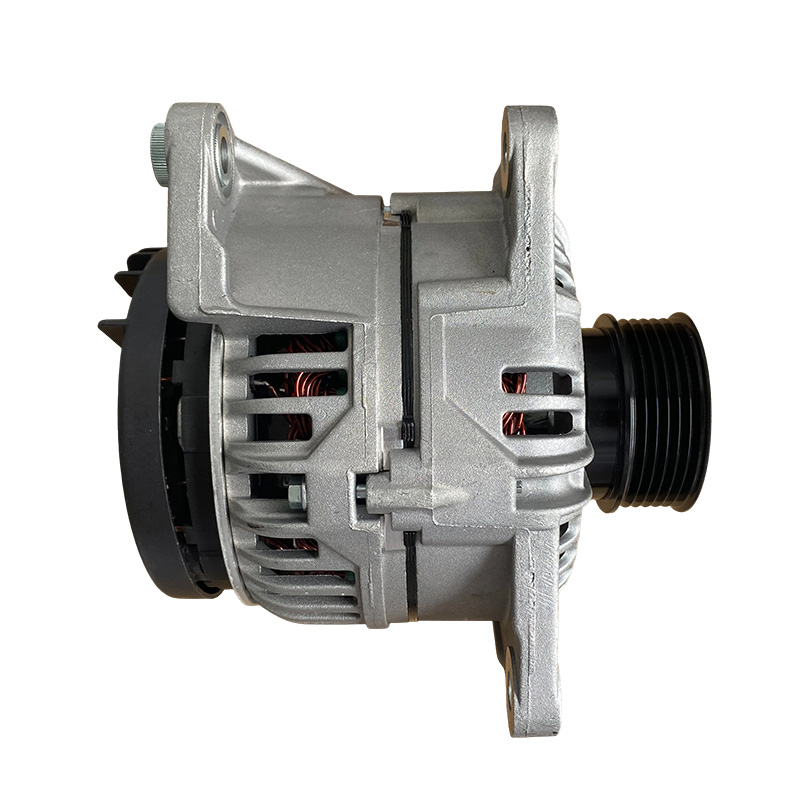
For European trucks and coaches, the Bosch-type truck and bus alternators cover a wide spread of 12V and 24V units, from modest 55A models to high-output versions of 150A and above. These are the ones that tend to move quickly in markets with a large fleet of imported commercial vehicles.
Operators of city buses, fire vehicles and engine-driven equipment have different needs, mainly high output at idle. The Prestolite alternators for buses and fire vehicles include 24V models rated from 110A up to 190A, as well as a 12V unit rated at 320A for commercial fire apparatus. When a vehicle runs pumps, lighting and communication equipment while stationary, output at low rpm matters more than the number on the label.
Excavators, dozers, forklifts and Japanese-built trucks form another large segment. Our Nikko alternators for excavators and forklifts are mostly 24V units from 25A to 90A, matched to machines from the major construction equipment makers. They are compact, simple and easy to stock.
The same approach extends to other families in the catalog, including agricultural and marine applications. A distributor can start from the machines in their own market and work backward to the parts, which is usually faster than scrolling through thousands of numbers.
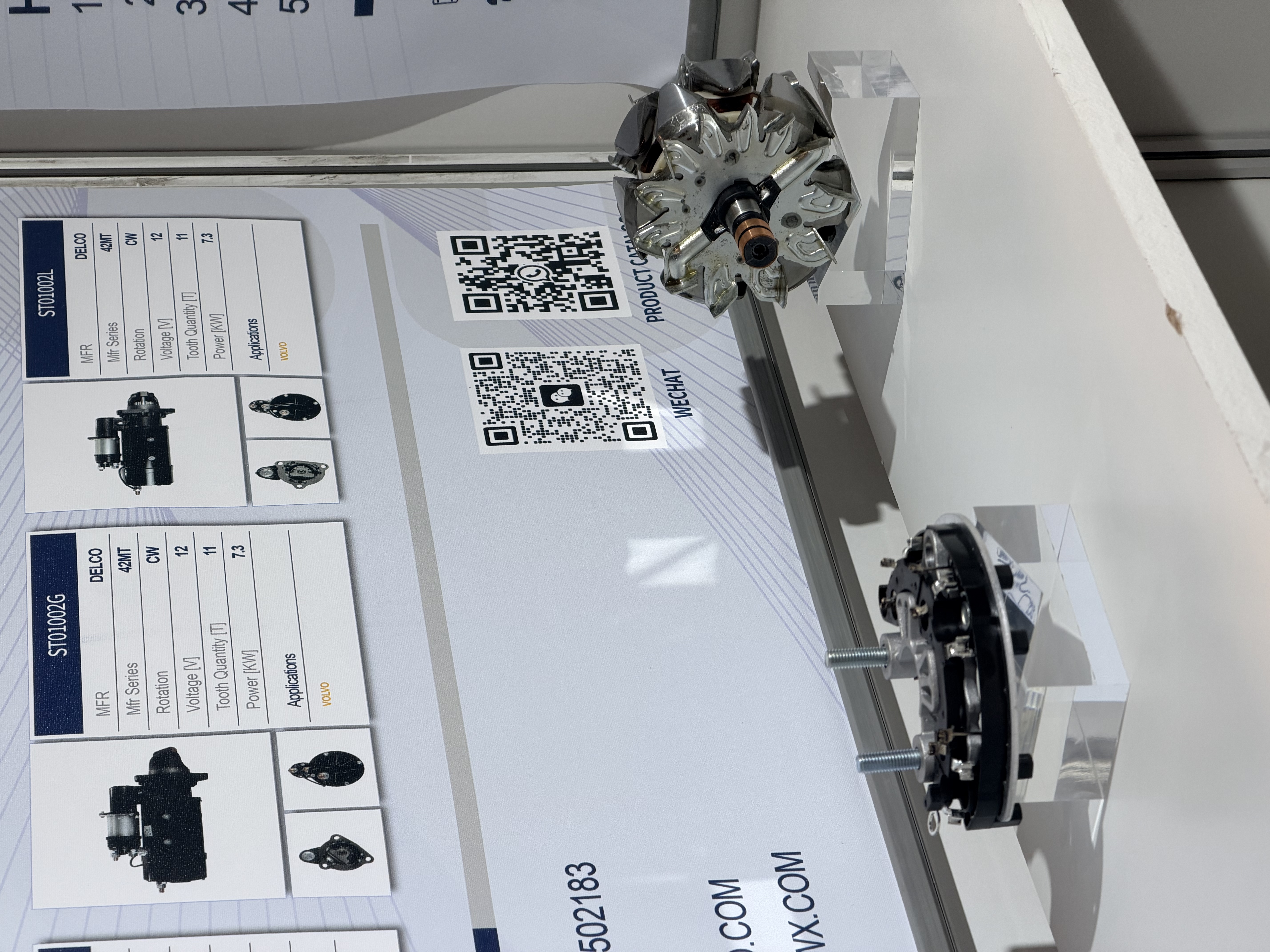
A starter motor lives a hard life. It draws hundreds of amps for a few seconds, then sits in engine bay heat for hours. In the Gulf, ambient temperatures above 45 degrees Celsius are routine in summer, and fine sand finds every gap in a poorly sealed housing.
The starter pictured on our invitation belongs to the heavy-duty class, and the same class is the focus of our Delco Remy heavy-duty starter motors range. These units cover 12V and 24V systems, with several tooth counts and power ratings, and they fit engines from medium trucks to large earthmoving equipment.
One example is the 24V 8.0kW Delco Remy 42MT starter, a clockwise-rotation unit with a 12-tooth drive. A buyer comparing starters should check four things before anything else:
Getting these four right avoids most returns. If a visitor is unsure, bring a photo of the old starter or its nameplate to the booth and we will work out the match together.
A trade show is a short window. Buyers who arrive with a plan get through more suppliers and leave with cleaner comparisons. The table below lists what we suggest asking any alternator or starter supplier, including us.
| Topic | What to ask | Why it matters |
|---|---|---|
| Fitment | Which OE and cross-reference numbers does the unit replace? | Prevents wrong-part returns |
| Electrical rating | Voltage, rated amperage and output at idle | Decides whether the part suits the duty cycle |
| Mechanical details | Pulley type, groove count, rotation, mounting | Avoids workshop modifications |
| Testing | Is each unit bench-tested before shipment? | Reduces early failures |
| Packaging | Individual boxing and export carton specification | Protects stock during transit |
| Commercial terms | MOQ, lead time, mixed-model orders, warranty period | Lets you plan cash flow and stock |
Selection is the other half of the job. A wrongly specified alternator may charge a battery at the workshop and still fail on a long summer route. Our selection guide for heavy-duty truck alternators explains how to read amperage, pulley and regulator details, and it is a useful reference to read before or after the show.
One more suggestion: ask to see more than the best-selling models. A supplier that can discuss slow-moving numbers with confidence usually manages its whole catalog well.
Our staff will be at Booth S-03233 in South Hall on all three days, 10 to 12 November. Walk-ins are welcome, and visitors with a fixed list of parts will get faster answers if they bring it along. Business cards, part numbers and photos of existing stock all help.
Trade shows are rarely the end of a purchase. Most of the real work happens in the weeks afterwards: confirming specifications, sending samples, agreeing packaging and arranging shipment. We will follow up with every contact in writing, and we keep a record of the models discussed so nothing needs to be explained twice.
For readers who want background on how we work, there is more about the Wuxi factory on our website. Those who follow the trade-show circuit can also read our earlier exhibition coverage from Automechanika Shanghai to see how we approach these events.
If you are in Dubai this week, come and see the parts in person. If you cannot make it, the product catalog is open at any time, and we will be glad to answer questions by message after the show closes on Thursday.
Recommended Products
For Exclusive Offers And The Latest Deals, Feel Free To Contact Us!
We will unswervingly implement the tenet of "quality first, customer first, strict management, and creating a famous brand". Professional OEM/ODM Automotive Alternator Manufacturers and Heavy-Duty Truck Alternators Suppliers in China.
Product
Contact Info.
+86-180 5150 2183
+86-0510-83880396
No. 11 QiBei Road, Yuqi Town, Wuxi City, Jiangsu Province, China
 OEM Alternator Supplier Custom Automotive Alternator Truck Alternators Supplier
 English
 Español
 عربى